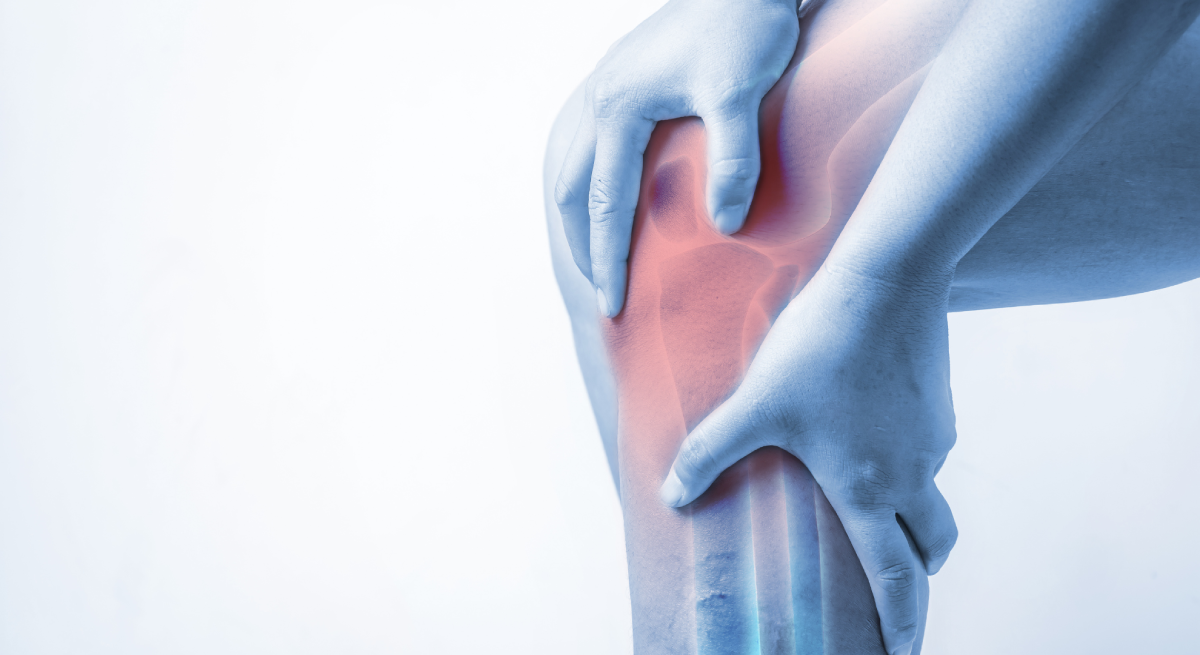
Knee arthritis does not always mean joint replacement is the next step. For some patients, particularly those with arthritis affecting one side of the knee, high tibial osteotomy may offer another treatment option. Instead of replacing the damaged joint surfaces, this procedure changes the alignment of the shin bone to redistribute pressure across the knee.
The aim is to reduce stress on the affected compartment, preserve the natural knee joint and potentially postpone knee replacement. However, suitability depends on cartilage damage, leg alignment, age, activity level and overall joint health.
What Is High Tibial Osteotomy?
High tibial osteotomy is a joint-preserving surgical procedure used to treat selected patients with knee arthritis and abnormal leg alignment.
In patients with medial compartment arthritis, bow-legged alignment (varus deformity) can place additional pressure on the inner side of the knee. This uneven loading gradually increases stress on the damaged cartilage.
During surgery, the surgeon makes a planned adjustment to the upper portion of the tibia (shin bone). This changes the mechanical axis of the leg, shifting some pressure away from the affected compartment towards the healthier side.
Unlike knee replacement, the procedure preserves the existing joint surfaces.
How Can High Tibial Osteotomy Delay Knee Replacement?
When body weight repeatedly passes through an already damaged area, the cartilage experiences increased mechanical stress. Correcting the alignment can redistribute this load and reduce pressure on the affected compartment.
High tibial osteotomy may help delay knee replacement by:
- Redistributing joint pressure: Shifts some load away from the damaged compartment.
- Preserving natural joint structures: Retains the patient's existing knee joint.
- Correcting alignment: Addresses the mechanical imbalance contributing to uneven loading.
- Supporting physical activity: Selected patients may return to recreational and sporting activities after rehabilitation.
- Postponing replacement: May provide additional years before joint replacement becomes necessary.
However, delaying replacement is not guaranteed. Outcomes depend on cartilage condition, correction accuracy and arthritis progression.
Who Is a Suitable Candidate for High Tibial Osteotomy?
This procedure is generally considered for patients with arthritis mainly affecting the inner compartment of the knee, along with an alignment problem.
Suitable candidates may have:
- Early to moderate osteoarthritis limited mainly to the medial compartment.
- Bow-legged alignment that increases pressure on the inner knee.
- Reasonably preserved cartilage in the outer compartment.
- Good knee movement and functional stability.
- An active lifestyle and a preference for preserving the natural joint.
Younger, physically active patients are often considered, although age alone does not determine suitability.
Patients with advanced arthritis affecting multiple compartments, significant joint stiffness or inflammatory arthritis may require alternative treatment. Knee replacement may be more appropriate in these situations.
How Is High Tibial Osteotomy Performed?
The procedure begins with a clinical examination and imaging to assess the degree of deformity. A full-length standing X-ray helps identify how body weight passes through the knee and determine the required correction.
The surgery generally involves:
- Surgical planning: The surgeon calculates the required alignment correction.
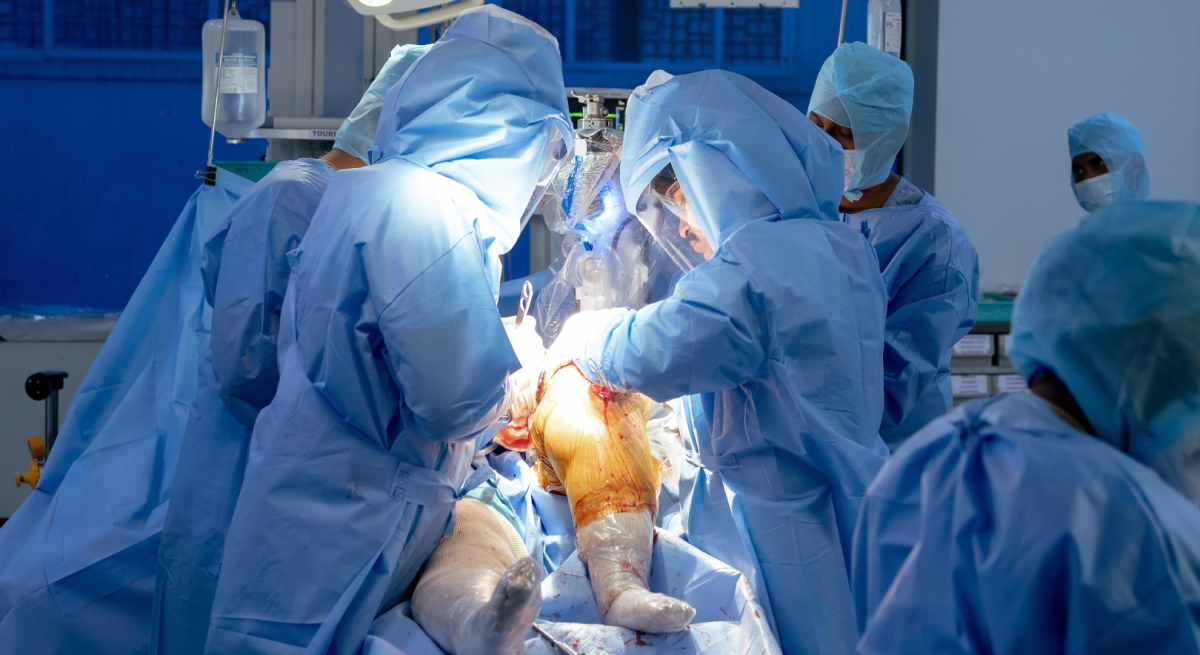
- Bone adjustment: A controlled cut is made near the upper end of the tibia.
- Realignment: The surgeon opens a planned wedge or removes a small wedge of bone.
- Fixation: A specialised metal plate and screws hold the bone in its corrected position.
- Postoperative assessment: Imaging helps monitor alignment and bone healing.
Surgeons generally use two approaches: opening a small gap on the inner side of the tibia or removing a small section of bone from the outer side to correct alignment. The choice depends on the patient's anatomy and degree of deformity.
What Is Recovery Like After High Tibial Osteotomy?
Recovery involves bone healing and structured rehabilitation. Patients may require crutches or other walking support until the bone heals sufficiently.
The recovery process generally includes:
- Initial weeks: Pain management, wound care and controlled knee movement.
- Weight-bearing: Gradual weight-bearing based on the surgical technique and healing progress.
- Physiotherapy: Exercises to restore knee movement, muscle strength and joint control.
- Return to activities: Many patients gradually resume regular activities over three to six months.
Following rehabilitation instructions is important to avoid placing excessive stress on the healing bone.
What Are the Risks and Limitations?
Although high tibial osteotomy is an established joint-preservation procedure, potential complications include:
- Slow bone healing or incomplete healing at the surgical site.
- Infection around the surgical site.
- Blood clots in the leg.
- Injury to nearby nerves or blood vessels.
- Insufficient or excessive alignment correction.
- Continued arthritis progression.
Importantly, the procedure does not restore cartilage that has already been lost. Some patients may eventually require partial or total knee replacement if arthritis progresses.
High Tibial Osteotomy vs Knee Replacement: What Is the Difference?
|
High Tibial Osteotomy |
Knee Replacement |
|
Preserves the natural knee joint |
Replaces damaged joint surfaces |
|
Corrects abnormal leg alignment |
Addresses damaged joint surfaces |
|
Suitable for selected patients with single-compartment arthritis |
Often considered for advanced arthritis |
|
Requires bone healing |
Requires implant recovery and rehabilitation |
|
May postpone future replacement |
Treats existing joint damage |
Neither procedure is universally better. The choice depends on arthritis severity, alignment and individual functional requirements.
Frequently Asked Questions
1. How many years can high tibial osteotomy delay knee replacement?
It may postpone replacement for several years in appropriately selected patients. Some studies report benefits lasting around 8–10 years, although outcomes vary.
2. Can high tibial osteotomy prevent knee replacement permanently?
Not always. Some patients experience long-term benefits, while others may eventually require replacement as arthritis progresses.
3. Is high tibial osteotomy suitable for advanced knee arthritis?
It is generally more suitable for early to moderate arthritis affecting one compartment. Extensive cartilage damage may make knee replacement a more appropriate option.
4. Can patients return to sports after surgery?
Selected patients can return to recreational sports following bone healing and rehabilitation. The surgeon will advise when it is safe to resume sports and which activities are appropriate during recovery.
5. Is high tibial osteotomy better than knee replacement?
Neither is universally better. The appropriate procedure depends on the patient's joint condition, alignment and treatment goals.
Conclusion
High tibial osteotomy offers a joint-preservation option for selected patients with knee arthritis caused by abnormal leg alignment. By redistributing pressure across the joint, it may reduce stress on the damaged compartment and delay knee replacement.
The Chennai Ortho team emphasises the importance of identifying the underlying cause of knee damage before recommending surgery. A detailed orthopedic assessment helps determine whether joint preservation or knee replacement is more suitable for the patient's condition and long-term requirements.