Knee osteoarthritis develops gradually as the cartilage and other structures within the knee joint undergo wear and degeneration. Understanding the stages of knee osteoarthritis helps patients recognize how the condition progresses and what treatment options may be appropriate at different stages. Knee pain does not always mean surgery is needed. Early diagnosis, strengthening exercises, weight management, medications, physiotherapy, and selected injection treatments can help many patients manage symptoms and maintain knee function.
What Are the 4 Stages of Knee Osteoarthritis?
The four stages range from early joint changes to advanced osteoarthritis. Doctors consider symptoms, physical examination findings, X-rays, and the patient's overall condition when determining the appropriate treatment.
Stage 1 Knee Osteoarthritis: Early Changes
Stage 1 is the earliest stage of knee osteoarthritis. Structural changes are usually minimal, and some patients may not have noticeable symptoms.
Possible symptoms include:
- Occasional knee discomfort
- Mild stiffness
- Discomfort after strenuous activity
- Mild swelling in some cases
Treatment:
The focus is generally on protecting the joint and preventing symptoms from progressing. Weight management, regular exercise, and strengthening of the quadriceps and hamstring muscles can help support the knee.
Stage 2 Knee Osteoarthritis: Mild Osteoarthritis
Stage 2 involves more noticeable changes in the knee joint. Patients may experience pain during prolonged activity, exercise, or stair use. Stiffness can also occur after sitting for an extended period.
X-rays may show early joint-space narrowing and small bone spurs.
Treatment may include:
- Strengthening and flexibility exercises
- Physiotherapy
- Weight management
- Activity modification
- Pain-relieving or anti-inflammatory medications
- Joint supplements in selected cases
- Injection therapies when appropriate
The aim is to control symptoms and maintain knee movement and function.
Stage 3 Knee Osteoarthritis: Moderate Osteoarthritis
Stage 3 is considered moderate knee osteoarthritis. Cartilage loss becomes more evident, and the joint space may become noticeably narrowed.
Patients may experience more frequent pain, stiffness, swelling, and difficulty with certain activities. Knee movement may also become restricted.
Treatment:
Non-surgical treatment can still be useful at this stage. Depending on the patient's condition, treatment may include physiotherapy, muscle strengthening, weight management, medications, and injection therapies.
Intra-articular treatments such as PRP, hyaluronic acid, and steroid injections may be considered for suitable patients. These treatments are primarily used to manage symptoms and improve joint function.
Stage 4 Knee Osteoarthritis: Severe Osteoarthritis
Stage 4 is the most advanced stage of knee osteoarthritis. There may be significant cartilage loss, severe joint-space narrowing, and changes to the underlying bone.
Symptoms can include:
- Significant knee pain
- Stiffness
- Swelling
- Reduced range of motion
- Difficulty with routine activities
- Pain during activity or sometimes at rest
Treatment:
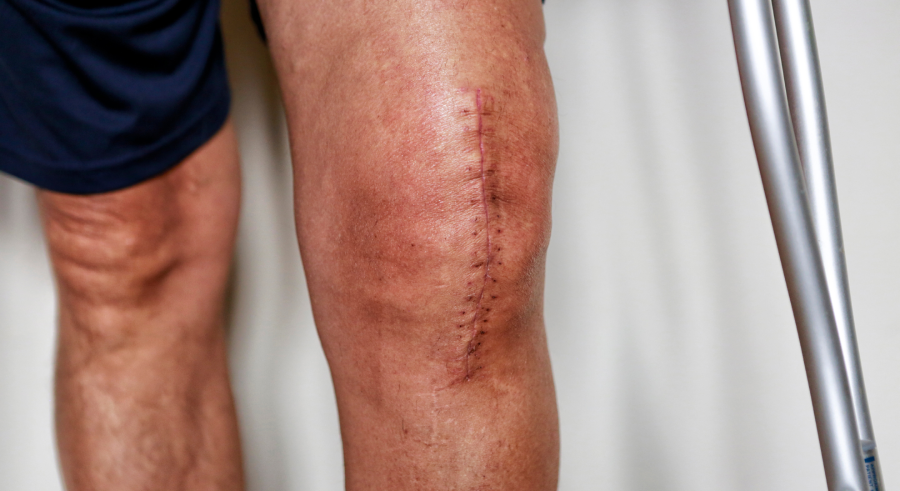
Non-surgical treatments may still provide symptom relief in some patients. However, when severe pain and functional limitations continue despite appropriate conservative treatment, knee replacement surgery may be considered.
The decision for surgery should not depend on an X-ray alone. Symptoms, mobility, joint damage, and response to previous treatments are also important.
Do All Joint Pain Patients Need Surgery?
No. Surgery is usually not the first treatment for knee osteoarthritis.
- Stage 1: Lifestyle modifications, weight management, and quadriceps and hamstring strengthening exercises may help manage symptoms.
- Stage 2: Exercise may be combined with medications, joint supplements, anti-inflammatory treatments, or injections when appropriate.
- Stage 3: PRP, hyaluronic acid, steroid injections, and other non-surgical treatments may help selected patients manage pain and maintain function.
- Stage 4: Knee replacement may be considered when pain becomes severe and significantly affects daily activities despite non-surgical treatment.
The need for surgery varies from patient to patient.
Why Early Treatment Matters
Early diagnosis can help patients understand the extent of knee degeneration and begin appropriate management. Strengthening the muscles around the knee, maintaining a healthy weight, modifying activities that increase discomfort, and following a structured treatment plan may help manage symptoms.
Treatment should be based on the patient's symptoms and clinical findings rather than the osteoarthritis stage alone.
Frequently Asked Questions
1. What are the 4 stages of knee osteoarthritis?
The four stages are Stage 1 (early), Stage 2 (mild), Stage 3 (moderate), and Stage 4 (severe or advanced) osteoarthritis.
2. Which stage of knee osteoarthritis is the most severe?
Stage 4 is the most advanced stage and is associated with significant cartilage loss and joint degeneration.
3. Can Stage 2 knee osteoarthritis be treated without surgery?
Yes. Exercise, physiotherapy, weight management, medications, and selected non-surgical treatments can help many patients manage Stage 2 osteoarthritis.
4. Can Stage 3 osteoarthritis be treated without surgery?
Yes. Non-surgical treatments, including physiotherapy, medications, and selected injection therapies, may help manage symptoms in appropriate patients.
5. Does Stage 4 always require knee replacement?
No. Surgery is considered when symptoms are severe, daily activities are significantly affected, and other treatments do not provide adequate relief.
6. Can knee osteoarthritis be reversed?
Existing cartilage damage generally cannot be completely reversed. However, appropriate treatment can help control symptoms and maintain joint function.
7. When should I see an orthopedic specialist?
Consult an orthopedic specialist if knee pain, stiffness, swelling, or reduced movement continues or starts affecting your daily activities.
Conclusion
The stages of knee osteoarthritis range from early changes to advanced joint degeneration. Not every patient with osteoarthritis requires surgery. Early treatment with exercise, lifestyle changes, medications, physiotherapy, and suitable non-surgical therapies may help manage symptoms and delay the need for surgery.
An orthopedic evaluation can help determine the extent of joint damage and identify the most appropriate treatment. The Chennai Ortho team focuses on individualized evaluation and stage-specific treatment to help patients make informed decisions about their knee health