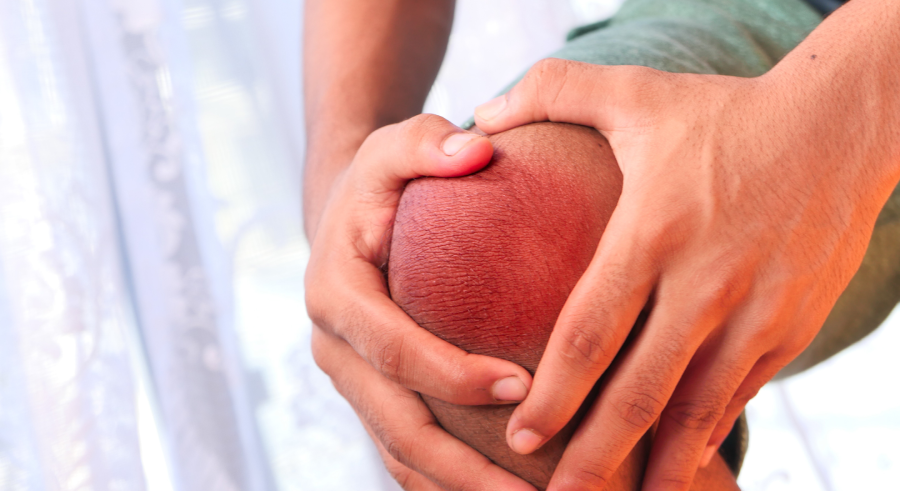
A few years ago, most people believed knee pain was something that happened only after the age of 60. That is no longer true. Today, orthopedic clinics are seeing more people in their 20s, 30s, and 40s with knee pain, stiffness, and difficulty performing everyday activities.
One question that many patients ask is, why younger people have knee pain despite having no major injury. According to Dr. S. Arumugam, there is rarely a single reason. Instead, several small lifestyle habits slowly affect the knee over time. The good news is that many of these problems can be managed or even prevented if they are recognised early.
Knee Problems Are Starting Earlier Than Before
Years ago, younger adults usually visited an orthopedic clinic because of sports injuries or accidents. Today, many arrive with gradual knee pain that has developed over months or years.
A common pattern is seen among office workers, business professionals, and students who spend long hours sitting and very little time exercising. This change in lifestyle is one of the biggest reasons why younger people have knee pain today.
Small Daily Habits Can Affect Your Knees
Your knees work every time you stand, walk, climb stairs, or sit down. If the muscles around the knee become weak, the joint has to work harder.
Some everyday habits that increase the risk of knee pain in young adults include:
- Sitting for long hours without movement
- Skipping regular exercise
- Eating processed food regularly
- Gaining excess body weight
- Ignoring small knee injuries
- Poor posture while working
Each habit may seem harmless, but together they can gradually affect joint health.
Obesity and Knee Pain
One of the most common findings in younger patients is excess body weight.
The relationship between obesity and knee pain is simple. More body weight means more pressure on the knee joint every day. Over time, this extra load can increase cartilage wear and make knee pain more noticeable.
Even losing a few kilograms can reduce stress on the knees and improve comfort during daily activities.
Don't Ignore Vitamin D and Calcium
Many people with knee discomfort are surprised when blood tests show nutritional deficiencies.
Vitamin D deficiency and knee pain are often seen together because Vitamin D helps keep bones and muscles healthy. Spending most of the day indoors may increase the risk of low Vitamin D levels.
Similarly, calcium deficiency joint pain may occur when calcium intake remains low for a long time. Eating a balanced diet and following medical advice can help improve bone health.
Causes of Knee Pain in Your 30s
The causes of knee pain in your 30s are often linked to lifestyle rather than ageing.
Some common reasons include:
- Weight gain
- Weak leg muscles
- Previous sports injuries
- Long hours of desk work
- Vitamin D deficiency
- Calcium deficiency
Ignoring these problems may allow the condition to worsen over time.
Women Need to Pay Extra Attention
Bone health changes naturally with age.
Menopause and Joint Health
After menopause, estrogen levels decrease, making bones weaker and increasing the risk of osteoporosis. This is why menopause and joint health are closely connected.
Regular exercise, strength training, calcium-rich foods, and medical guidance can help maintain stronger bones during this stage of life.
Joint Care Starts Before Pain Begins
Many people wait until knee pain becomes severe before changing their habits. In reality, prevention should begin much earlier.
Simple joint care tips include:
- Exercise at least three times every week.
- Keep your body weight within a healthy range.
- Eat more home-cooked meals.
- Spend some time in the sunlight.
- Strengthen your thigh muscles.
- Avoid sitting continuously for several hours.
These simple habits also support knee pain prevention and help protect the joints as you grow older.
When Should You Visit an Orthopedic Specialist?
Not every knee pain requires surgery, but some symptoms should not be ignored.
Consult a specialist if you have:
- Pain lasting more than a few weeks
- Swelling that keeps returning
- Difficulty bending the knee
- Knee instability
- Pain affecting work or daily activities
Finding the cause early often makes treatment easier.
When Robotic Knee Replacement May Be an Option
Most people with knee pain in young adults improve with physiotherapy, exercise, weight management, and medication. Surgery is considered only when arthritis has become advanced and other treatments no longer provide enough relief.
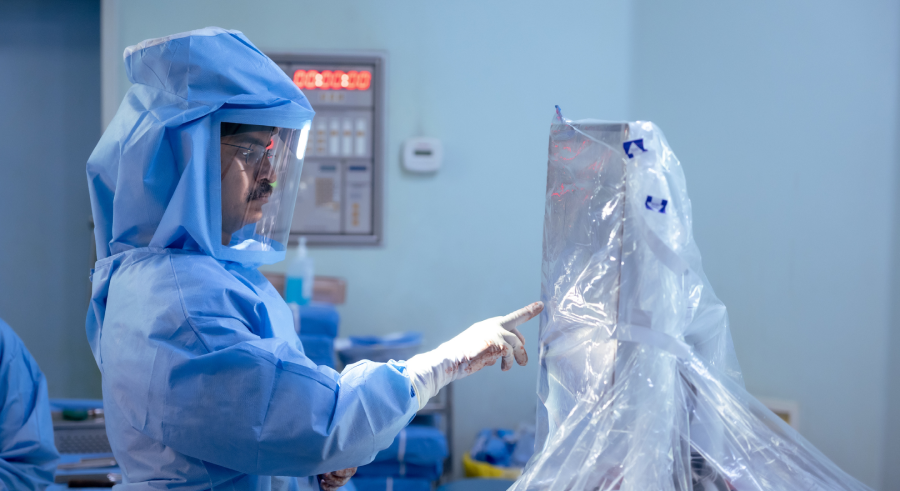
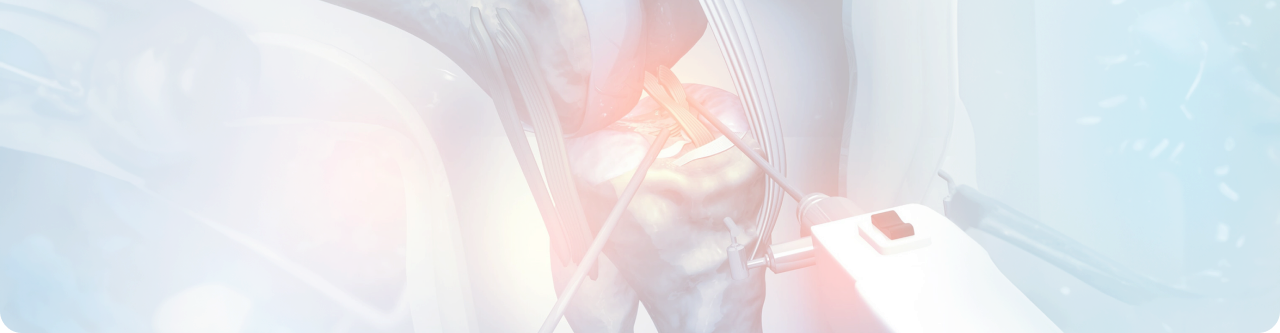
For suitable patients, robotic knee replacement helps surgeons plan the procedure according to each person's natural knee alignment. The robotic system guides the surgeon during surgery, helping improve the accuracy of implant positioning while the surgeon remains in complete control.
With continuous advances in knee replacement surgery in India, technologies such as AI-assisted planning and newer robotic systems are expected to make orthopedic treatment even more precise in the future.
Frequently Asked Questions
Why do younger people have knee pain today?
The most common reasons include obesity, lack of exercise, poor nutrition, Vitamin D deficiency, previous injuries, and long hours of sitting.
Can Vitamin D deficiency cause knee pain?
Yes. Vitamin D deficiency and knee pain are commonly linked because healthy muscles and bones depend on adequate Vitamin D.
Is obesity responsible for knee pain?
Yes. Obesity and knee pain often go together because additional body weight increases stress on the knee joint.
Can knee pain be prevented?
Many cases can be reduced through regular exercise, healthy eating, weight management, and following good joint care tips.
Does everyone with arthritis need robotic knee replacement?
No. Surgery is recommended only when conservative treatments are no longer effective and arthritis significantly affects daily life.
Conclusion
Understanding why younger people have knee pain helps people take action before small problems become serious. Looking after your knees is not about waiting for pain to appear, it is about staying active, eating well, maintaining a healthy weight, and seeking medical advice when symptoms persist.
Dr. S. Arumugam and his team believe that every patient deserves a treatment plan based on the actual cause of their knee pain. Whether the answer is lifestyle changes, physiotherapy, medication, or robotic-assisted surgery, the goal is always to help patients protect their joints and continue their daily activities with confidence.