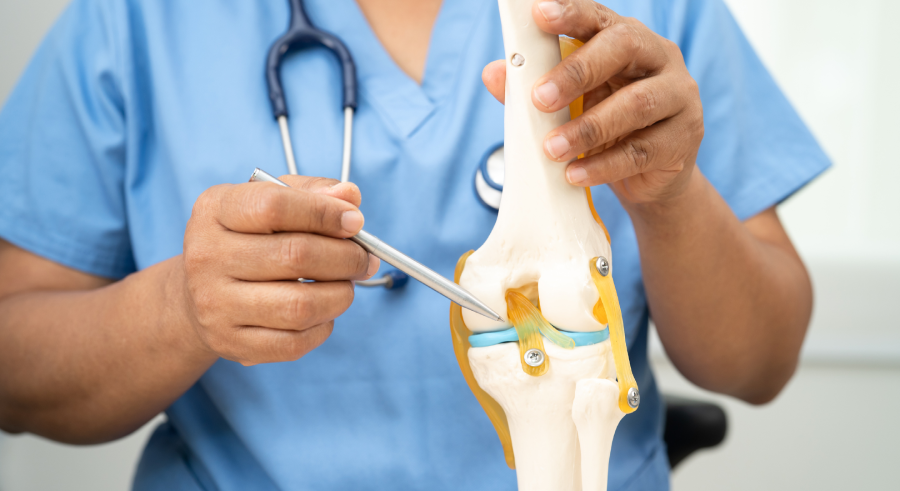
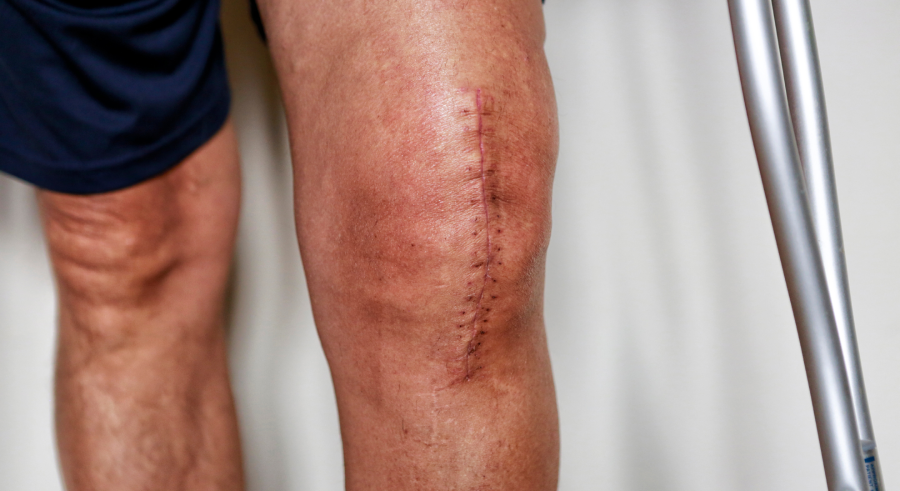
No two knees are exactly alike. Factors such as bone shape, joint alignment, ligament balance, cartilage wear, previous injuries, and arthritis progression vary from one person to another. This is why personalized robotic knee replacement has become an important advancement in modern orthopedic surgery. Instead of following a one-size-fits-all approach, robotic technology allows surgeons to evaluate each patient's knee in detail and tailor the procedure to their unique anatomy.
A personalized approach does not change the goal of knee replacement, it enhances the way surgeons plan and perform the procedure. By combining surgical expertise with advanced robotic assistance, patients can receive treatment that is designed around their individual knee structure rather than average measurements.
Why Every Knee Is Unique
Although knee replacement implants are manufactured in standard sizes, the anatomy they are replacing is never identical from one patient to another.
Several factors make every knee different, including:
- Bone size and shape
- Degree of arthritis
- Joint alignment
- Ligament tension
- Previous fractures or surgeries
- Bone loss
- Walking pattern developed over many years
These differences influence how a surgeon plans implant positioning and restores knee function. A personalized approach helps account for these variations rather than relying solely on generalized measurements.
What Is Personalized Robotic Knee Replacement?
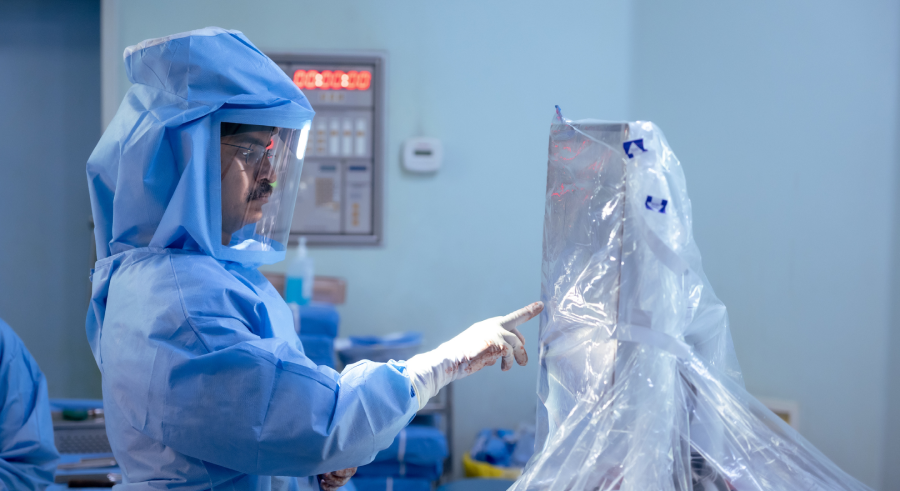
Personalized robotic knee replacement combines the experience of an orthopedic surgeon with robotic-assisted technology that provides real-time information throughout the procedure.
Rather than depending only on standard surgical instruments, the robotic system analyzes the patient's knee during surgery and assists the surgeon in making precise adjustments based on the individual's anatomy.
The surgeon remains in complete control throughout the operation. The robotic system acts as an advanced guidance tool, helping improve planning, implant positioning, and soft tissue balance.
How Robotic Technology Supports Personalized Treatment
The Chennai Ortho Team uses the latest VELYS™ Robotic-Assisted Solution, which allows surgeons to evaluate the knee dynamically during surgery. Unlike some robotic platforms, VELYS does not require a pre-operative CT scan, reducing unnecessary radiation exposure while still providing detailed intra-operative information.
With more than 1,000 robotic knee replacement surgeries performed, Dr. S. Arumugam uses robotic technology to support individualized surgical planning based on each patient's anatomy rather than a standardized approach.
The robotic system helps the surgeon:
- Assess knee movement in real time
- Measure ligament balance throughout the procedure
- Guide accurate bone preparation
- Fine-tune implant positioning
- Make adjustments before final implant placement
These features help create a surgical plan that is specific to the patient's knee rather than based on assumptions.
Why Personalized Planning Matters
Every decision during knee replacement affects how the joint functions after surgery. Small differences in implant alignment or ligament balance can influence knee movement and stability.
With personalized robotic knee replacement, surgeons can make informed decisions based on real-time feedback rather than relying only on pre-operative estimates.
Personalized planning may help:
- Restore natural knee alignment
- Improve implant positioning
- Preserve healthy bone whenever possible
- Achieve balanced soft tissues
- Reduce unnecessary adjustments during surgery
- Support consistent surgical accuracy
While every patient's recovery is different, individualized planning helps create a procedure that is tailored to the specific condition of the knee.
Dr. Arumugam's Tourniquet-Free Surgical Approach
Another important aspect of personalized care is adapting the surgical technique to support better decision-making during the procedure.
Dr. S. Arumugam routinely performs robotic knee replacement without using a tourniquet when clinically appropriate. Traditionally, a tourniquet has been used to temporarily reduce blood flow during surgery. However, many experienced surgeons now prefer a tourniquet-free approach in suitable patients because it allows assessment of the knee under more natural physiological conditions.
By maintaining normal blood circulation during surgery, Dr. Arumugam can evaluate soft tissue balance more accurately while using robotic guidance to make precise adjustments before completing the procedure.
This combination of robotic technology and refined surgical technique supports a personalized approach for each patient.
Who Can Benefit from Personalized Robotic Knee Replacement?
Many patients undergoing knee replacement may benefit from individualized surgical planning, particularly those with:
- Advanced knee arthritis
- Bow-leg or knock-knee deformities
- Stiff knees
- Previous knee surgeries
- Early bone loss
- Complex knee anatomy
- Active lifestyles with specific functional goals
The decision to use robotic assistance depends on the patient's condition and the surgeon's clinical assessment.
Recovery After Personalized Robotic Knee Replacement
Recovery varies from one patient to another and depends on factors such as overall health, muscle strength, and the condition of the knee before surgery.
Following surgery, patients typically begin:
- Standing and walking with assistance
- Guided physiotherapy
- Range-of-motion exercises
- Muscle strengthening
- Regular follow-up evaluations
Following rehabilitation instructions and maintaining regular follow-up appointments play an important role in achieving the best possible outcome.
Frequently Asked Questions
Is personalized robotic knee replacement suitable for everyone?
Many patients are suitable candidates, but the decision depends on the severity of arthritis, overall health, and the surgeon's evaluation.
Does the robot perform the surgery?
No. The surgeon performs the entire operation. The robotic system provides real-time guidance that supports accurate planning and implant positioning.
Why is every knee considered different?
Every person's knee differs in bone structure, alignment, ligament balance, arthritis severity, and previous injuries. These differences make individualized planning valuable during knee replacement surgery.
Why doesn't Dr. Arumugam routinely use a tourniquet?
Dr. Arumugam follows a tourniquet-free approach whenever clinically appropriate because it allows better assessment of knee balance and soft tissue behavior during surgery while maintaining normal blood circulation.
Conclusion
No two patients have the same knee anatomy, which is why a personalized approach has become an important part of modern joint replacement surgery. Personalized robotic knee replacement combines advanced technology with surgical expertise to create a treatment plan that reflects each patient's unique anatomy rather than a standardized model.
At Chennai Ortho Team, patients benefit from the VELYS™ Robotic-Assisted Solution, which enables real-time surgical planning without requiring a pre-operative CT scan. With over 27 years of orthopedic experience, more than 8,000 joint replacement surgeries, and treatment provided to over 20,000 patients, Dr. S. Arumugam combines extensive clinical expertise with robotic-assisted technology and a tourniquet-free surgical approach, when clinically appropriate, to deliver individualized care for every knee replacement procedure.