How successful is robotic knee replacement, and will the new knee work well for years? These are common questions among patients with severe knee arthritis. The robotic knee replacement success rate depends on several factors, including the condition of the knee, surgical planning and recovery after the operation. A successful procedure is not simply about placing an implant correctly. The patient's pain, knee movement and ability to walk comfortably are equally important when judging the final result.
What Is the Actual Success Rate of Robotic Knee Replacement?
Robotic knee replacement has shown encouraging results in clinical studies. The technology helps surgeons perform accurate bone cuts, assess joint alignment and position the artificial knee.
However, there is no single success rate that applies to every patient. Some people experience considerable relief from arthritis pain, while others may continue to have stiffness or limited movement.
Doctors usually assess success by examining:
- Improvement in knee pain after recovery.
- Ability to bend and straighten the knee.
- Stability of the artificial joint.
- Improvement in walking and movement.
- Long-term condition of the knee implant.
The robotic knee replacement success rate is therefore influenced by the patient's health, knee condition and rehabilitation, along with accurate implant placement.
What Makes Robotic Knee Replacement Successful?
For a patient who has struggled with severe knee arthritis, success may mean walking with less pain or bending the knee more comfortably. Knee replacement surgeons assess the result differently. They examine how the implant sits inside the knee, whether the joint remains stable and how well it moves. These factors help determine the robotic knee replacement success rate for individual patients.
Correct Implant Position
Every patient's knee has a slightly different shape. During replacement surgery, the implant must be placed in a position that allows the joint to move correctly.
Robotic assistance helps the surgeon measure the knee and plan the required bone cuts.
Comfortable Knee Movement
A replaced knee must bend and straighten without excessive tightness or instability.
The surgeon checks how the ligaments behave during movement. These findings help determine the final implant position.
Reduced Arthritis Pain
The operation removes damaged joint surfaces that contribute to arthritis pain.
Although many patients experience improvement, some may continue to have discomfort or stiffness after recovery.
Does Robotic Surgery Give Better Results Than Traditional Surgery?
Robotic surgery offers an advantage in how precisely certain parts of the operation can be planned and performed. The technology allows surgeons to assess knee alignment and make adjustments during surgery. This can be particularly useful when the knee has an unusual shape or significant deformity.
However, robotic surgery does not guarantee better pain relief or faster recovery than conventional knee replacement.
Both procedures can provide good results when performed on suitable patients. The surgeon's experience, implant selection and condition of the knee remain important when evaluating the robotic knee replacement success rate.
How Does the VELYS Robotic System Help During Surgery?
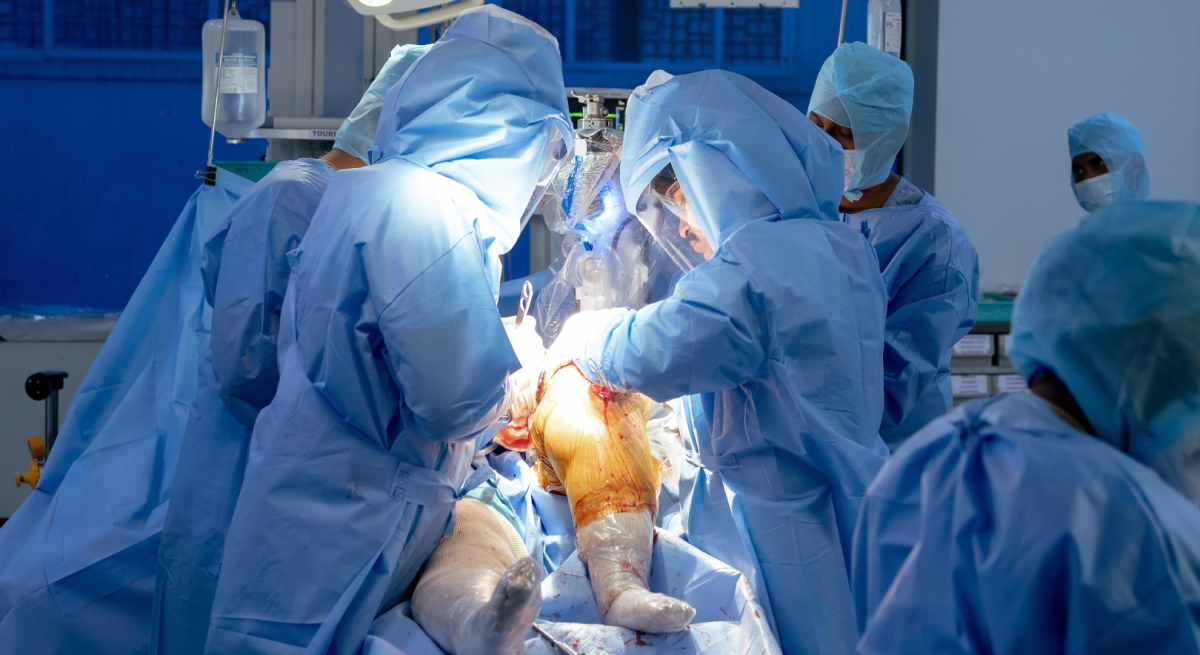
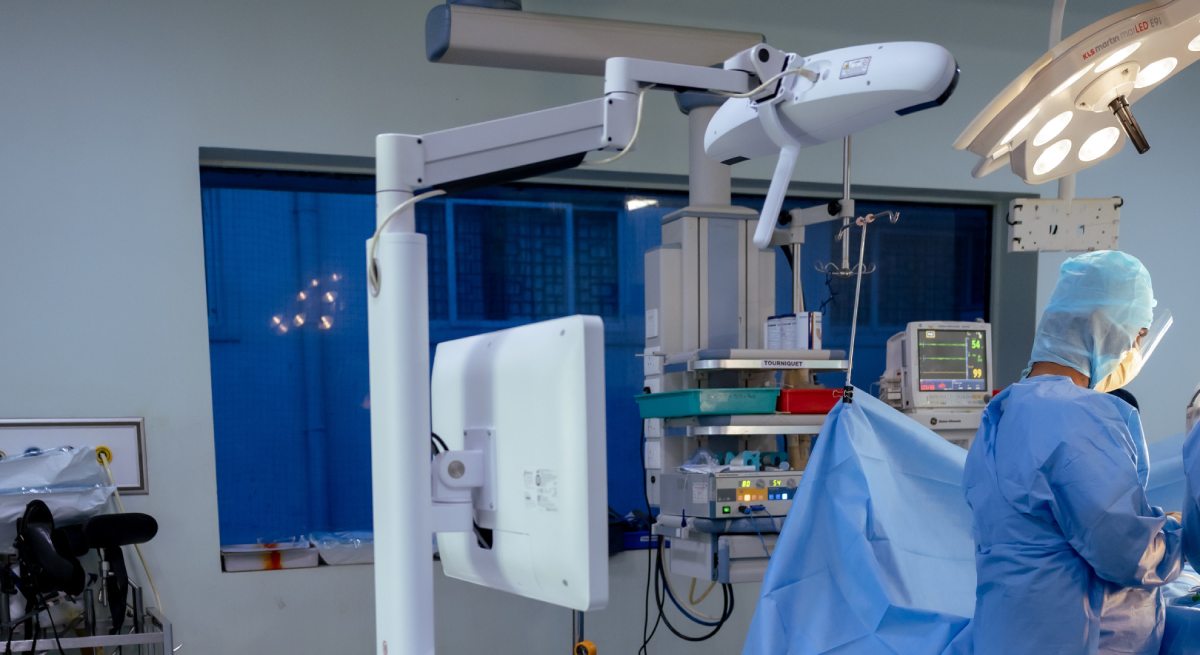
The VELYS™ robotic-assisted system provides information about the knee while surgery is taking place. Unlike some other robotic systems, it does not require a CT scan before surgery. Cameras and sensors help the surgeon understand the patient's knee alignment and joint movement.
This information assists with:
- Measuring the damaged joint surfaces.
- Planning accurate bone removal.
- Checking ligament tension.
- Adjusting implant alignment.
- Assessing knee stability.
The robot does not operate on its own. The orthopedic surgeon performs the procedure and controls each surgical step. This level of surgical control is important when considering the robotic knee replacement success rate and the overall treatment outcome.
What Factors Can Affect the Robotic Knee Replacement Success Rate?
Two patients undergoing the same operation may recover differently.
Several factors can influence their results.
Condition of the Knee Before Surgery
A knee with severe deformity, restricted movement or major bone damage may need more careful correction.
The condition of the ligaments also affects surgical planning.
Patient's General Health
Diabetes, smoking, excess body weight and certain circulation problems can increase the risk of complications.
Managing these conditions before surgery helps prepare the patient for treatment and may improve the chances of a successful recovery.
Recovery After the Operation
New implants do not restore weakened muscles automatically.
Patients need exercises to improve knee movement and rebuild strength. Walking practice and physiotherapy are important parts of recovery and can influence the robotic knee replacement success rate when success is assessed through mobility and function.
How Long Will a Robotic Knee Replacement Last?
A knee replacement implant is designed to function for many years. However, its lifespan cannot be predicted accurately for every patient.
Implant durability depends on several factors:
- Bone quality and implant fixation.
- Knee stability after surgery.
- Patient weight and activity levels.
- Implant design and material.
- Infection or other complications.
Robotic guidance helps surgeons position the implant accurately, but it does not guarantee that the artificial knee will last longer than one placed through conventional surgery.
Regular follow-up allows the surgeon to check for changes in joint movement, implant stability or signs of wear. Long-term implant function is another important measure when evaluating the robotic knee replacement success rate.
Frequently Asked Questions
1. Is robotic knee replacement always successful?
No. Although robotic surgery supports accurate implant placement, complications and incomplete pain relief are still possible.
2. Can a robotic knee replacement fail?
Yes. Infection, implant loosening, instability or ongoing pain may sometimes require further treatment.
3. Is robotic knee replacement suitable for severe bow legs?
It may be suitable. Robotic measurements help the surgeon assess deformity and plan correction. The final decision depends on the patient's knee condition.
4. Will robotic knee replacement heal faster?
Some patients recover certain movements earlier, but robotic surgery does not guarantee faster healing. Recovery depends on health, muscle strength and rehabilitation.
5. Can elderly patients undergo robotic knee replacement?
Yes, when medically suitable. Age alone does not rule out surgery. Overall health and the condition of the knee are more important considerations.
Conclusion
The robotic knee replacement success rate depends on more than the technology used during surgery. Correct implant positioning, reduced pain, stable movement and rehabilitation all contribute to a positive outcome.
Dr. S. Arumugam and the Chennai Ortho team examine knee damage, ligament condition and natural alignment before recommending surgery. Their approach focuses on selecting an appropriate treatment and helping patients understand what recovery may involve.
Add a clear patient action stepReduce repeated keyword mentions