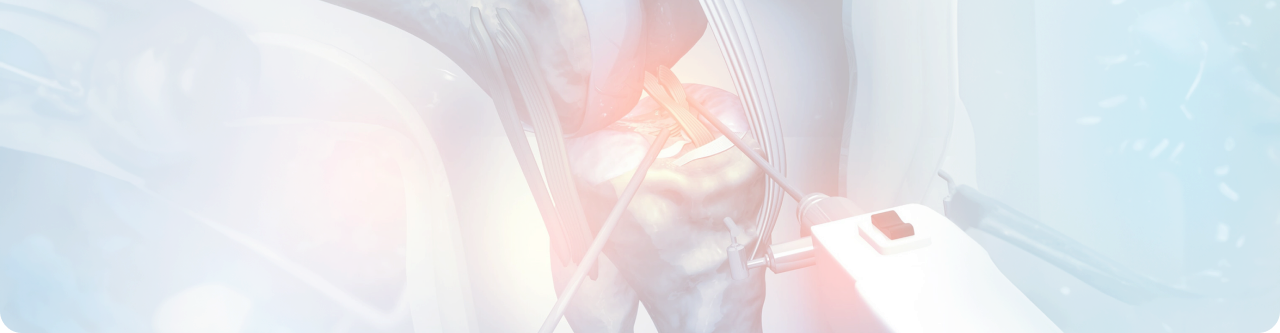

Knee arthritis is a progressive condition that affects the cartilage and other structures within the knee joint. When untreated knee arthritis progresses, pain may become more frequent, stiffness may increase, and knee movement can gradually become restricted. Early symptoms may be manageable, but delaying evaluation can allow joint changes to advance. Although the condition progresses differently in each person, recognising the signs of untreated knee arthritis and seeking appropriate orthopaedic care can help patients manage symptoms, maintain joint function, and understand the treatment options available at each stage.
How Does Knee Arthritis Progress?
Knee osteoarthritis develops when the protective cartilage covering the ends of the bones gradually wears down. Healthy cartilage allows the knee joint to move smoothly. As it becomes thinner, the bones have less protection and the joint may become painful and stiff. The progression of untreated knee arthritis varies between patients. Age, previous knee injuries, excess body weight, joint alignment, muscle strength, genetics, and activity levels may influence how quickly symptoms and joint damage develop.
What Happens With Untreated Knee Arthritis?
Without appropriate management, arthritis may gradually affect several parts of the knee and make symptoms more difficult to manage.
Pain May Become More Frequent
Early arthritis pain may initially appear after physical activity. As untreated knee arthritis progresses, discomfort can occur more frequently and may take longer to settle. In advanced stages, some patients experience pain while resting or at night. Increasing or recurring pain should be assessed rather than repeatedly managed without understanding its cause.
Knee Stiffness Can Increase
Arthritis may cause stiffness after sitting for long periods or when getting up in the morning. Over time, bending or fully straightening the knee can become more difficult.
Progressive stiffness associated with untreated knee arthritis can reduce the knee's range of motion and affect normal joint function.
Cartilage Damage May Progress
Cartilage has a limited ability to repair itself after significant degeneration. As arthritis advances, cartilage can become increasingly thin and the joint space between the bones may narrow. In severe untreated knee arthritis, extensive cartilage loss can result in areas of near bone-on-bone contact, contributing to greater pain and stiffness.
Swelling May Become More Common
Inflammation within an arthritic knee may cause swelling, warmth, or a feeling of fullness around the joint. Episodes may initially occur occasionally but can become more noticeable as arthritis progresses.
How Can Patients Tell the Difference Between Normal Knee Pain and Arthritic Knee Pain?
Temporary knee pain may occur after unusual physical exertion, such as playing a long game, exercising more intensely than usual, or putting greater-than-normal stress on the knee.
This type of discomfort generally improves with rest, appropriate icing, and recovery time. Simple pain-relieving medicines may occasionally be required when medically appropriate.
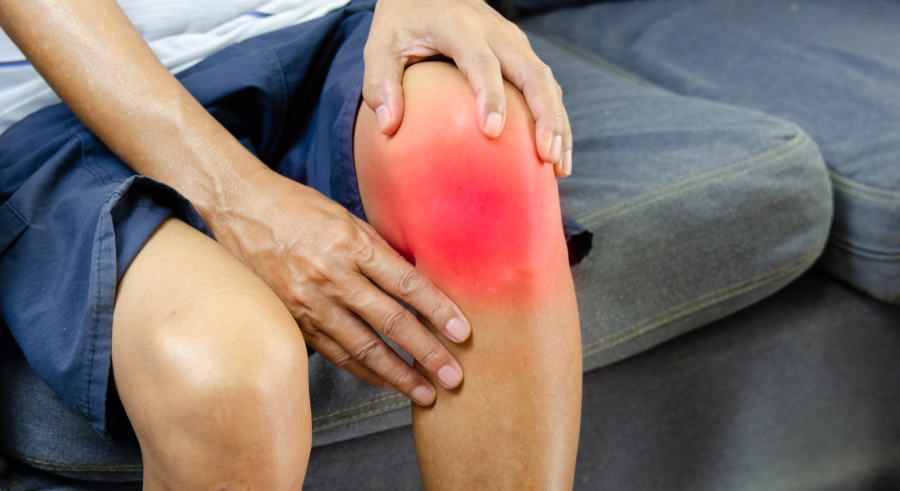
Arthritic knee pain can behave differently. Instead of settling adequately after rest, it may continue or repeatedly return. Some patients may experience discomfort while resting or even during the night. Stiffness, swelling, and reduced knee movement may also occur.
Pain that continues despite adequate rest should therefore be evaluated by an orthopaedic specialist. Identifying untreated knee arthritis earlier allows patients to discuss suitable exercises, medicines, physiotherapy, weight management when required, and other treatment options.
Can Untreated Knee Arthritis Cause Muscle Weakness?
Yes. Knee pain may cause patients to reduce physical activity. Over time, this can weaken the muscles supporting the knee, particularly the quadriceps. Muscle weakness can provide less support to the joint and make movement more difficult. With untreated knee arthritis, this combination of pain, reduced activity, and muscle weakness may further affect knee function. Appropriate strengthening exercises under professional guidance can help maintain muscle strength and joint support.
Can Knee Arthritis Change Joint Alignment?
Advanced arthritis can sometimes affect the alignment of the knee. Uneven cartilage loss may cause one side of the joint to narrow more than the other.
In some patients, advanced untreated knee arthritis may contribute to bow-legged or knock-kneed alignment. Changes in alignment can alter how weight passes through the knee and place additional stress on damaged areas.
Why Is Early Treatment Important?
Early treatment cannot always reverse existing cartilage damage, but it may help control symptoms and maintain knee function.
Depending on the stage and symptoms, treatment may include:
- Activity modification
- Physiotherapy and strengthening exercises
- Weight management when appropriate
- Medicines for pain and inflammation
- Doctor-recommended medications where appropriate
- Injections for selected patients
- Assistive devices when required
Surgery is not necessary for everyone with knee arthritis. However, when untreated knee arthritis reaches an advanced stage and significant symptoms continue despite appropriate non-surgical treatment, knee replacement surgery may be considered.
Frequently Asked Questions
Does knee arthritis always get worse?
Osteoarthritis is generally progressive, but its rate of progression differs between patients. Appropriate management can help control symptoms and maintain function.
Can knee arthritis heal naturally?
Established cartilage damage usually cannot completely repair itself. However, exercise, physiotherapy, medicines, and other treatments can help manage symptoms.
When should knee pain be checked?
Medical evaluation should be considered when pain repeatedly returns, does not improve adequately with rest, occurs at night, or is accompanied by swelling, stiffness, or reduced knee movement.
Does everyone with knee arthritis need surgery?
No. Many patients can manage symptoms through non-surgical treatments. Surgery is generally considered when arthritis is advanced and symptoms remain significant despite appropriate conservative treatment.
Conclusion
Untreated knee arthritis can gradually contribute to increasing pain, stiffness, cartilage loss, muscle weakness, reduced movement, and changes in joint alignment. Early evaluation can help determine the stage of arthritis and identify suitable ways to manage symptoms before joint damage becomes more advanced.
The Chennai Ortho team, led by Dr. S. Arumugam, evaluates knee arthritis based on symptoms, examination findings, imaging, and the extent of joint damage. Patients with untreated knee arthritis can receive an individualised treatment plan ranging from exercise and medical management to surgical options when clinically necessary.


_+Procedure%2C+Benefits+and+Recovery.webp)