Arthritis is a leading cause of knee pain and reduced mobility, especially among older adults. Many people first notice mild stiffness or discomfort after walking long distances, climbing stairs, or standing for extended periods. In the early stages, the pain may improve with rest or medication. However, arthritis is a progressive condition that gradually damages the cartilage in the knee joint. As the condition advances, everyday movements become more painful and difficult. When joint damage becomes severe and non-surgical treatments stop providing relief, orthopedic specialists may recommend knee replacement surgery in Chennai as a treatment that can restore mobility and significantly reduce chronic pain.
Orthopedic surgeons often observe that many patients delay treatment because they assume knee pain is a natural part of aging. While aging does contribute to joint wear and tear, persistent pain should always be evaluated by a specialist. Early diagnosis can slow arthritis progression, but when cartilage damage becomes extensive, consulting a specialist who performs knee replacement surgery in India may help patients regain joint function and return to normal activities.
Understanding Arthritis in the Knee
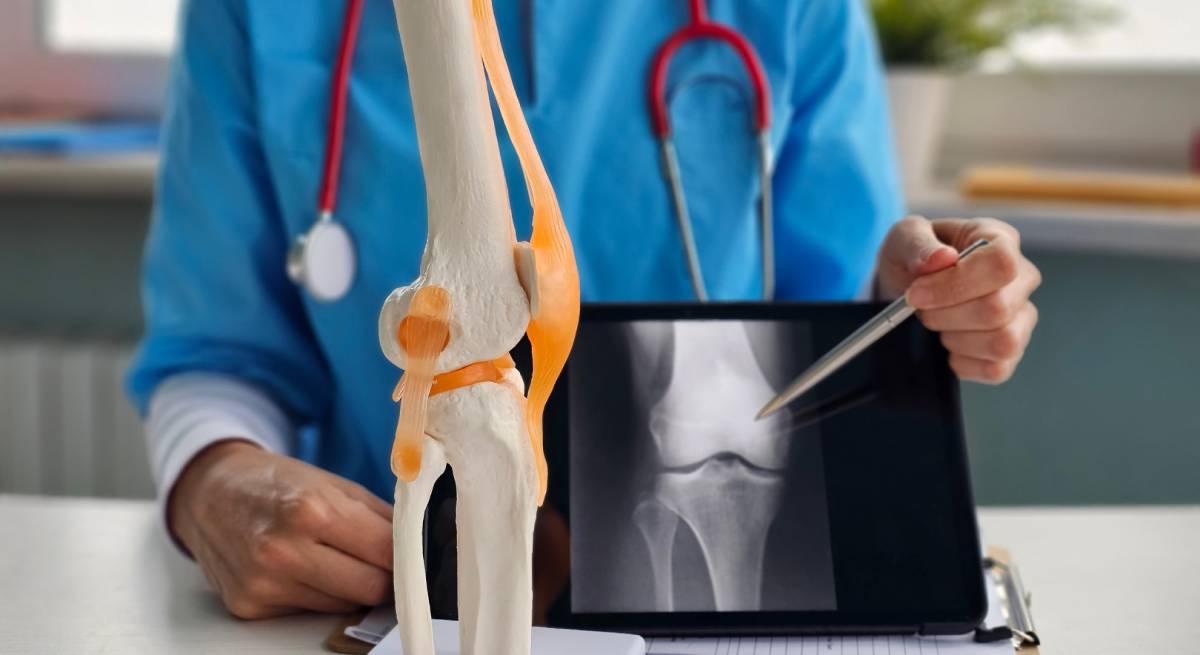
The knee joint contains cartilage that acts as a smooth cushion between the bones. This cartilage allows the joint to move easily and absorb pressure during daily activities such as walking or climbing stairs. Arthritis develops when this cartilage gradually wears away. As the protective layer becomes thinner, the bones begin to rub against each other, leading to pain, swelling, and stiffness.
Osteoarthritis is the most common form of arthritis affecting the knee and typically develops due to long-term wear and tear of the joint. Other knee conditions, such as rheumatoid arthritis or previous injuries, can also damage the knee joint over time.
Common symptoms of knee arthritis include:
- Persistent knee pain during movement
- Swelling around the joint
- Stiffness after rest or in the morning
- Difficulty bending or straightening the knee
- Grinding sensation inside the joint
When these symptoms begin interfering with daily life, patients often consult orthopedic specialists to explore advanced treatments, including knee replacement surgery in Chennai for long-term pain relief.
Stages of Knee Arthritis Progression
Arthritis typically develops gradually over several years. Doctors often classify the condition into stages based on the level of cartilage damage and joint degeneration.
Early Stage Arthritis
In the early stage, cartilage begins to weaken but still protects the bones. Pain is usually mild and appears after physical activity.
Common signs include:
- Occasional knee discomfort
- Mild stiffness after activity
- Minor swelling around the joint
At this stage, physiotherapy, strengthening exercises, and lifestyle changes can help manage symptoms and delay joint damage.
Moderate Arthritis
As arthritis progresses, cartilage becomes thinner and the space between the bones starts narrowing. Pain becomes more noticeable and daily activities may become uncomfortable.
Symptoms during this stage may include:
- Regular knee pain while walking
- Swelling in the knee joint
- Difficulty climbing stairs
- Reduced range of motion
Doctors may recommend medication, physiotherapy, or injections to control inflammation. However, if joint damage continues to worsen, patients may be advised to consult orthopedic surgeons experienced in knee replacement surgery in Chennai.
Advanced Arthritis
In advanced arthritis, most of the cartilage has worn away. Bone-on-bone contact inside the joint causes severe pain and stiffness.
Patients may experience:
- Persistent knee pain even during rest
- Severe swelling and joint stiffness
- Difficulty walking short distances
When arthritis reaches this stage and conservative treatments are no longer effective, many patients begin considering knee replacement surgery in India as a reliable solution to restore joint movement and reduce pain.
Non-Surgical Treatments for Knee Arthritis
Before recommending surgery, doctors usually explore non-surgical treatments that can help control symptoms and improve joint function.
These treatments may include:
- Physiotherapy to strengthen muscles around the knee
- Anti-inflammatory medication to reduce pain and swelling
- Weight management to reduce pressure on the joint
- Supportive knee braces to stabilize the joint
- Low-impact exercises such as swimming or cycling
While these treatments help many patients manage arthritis, severe joint degeneration may still progress. In such cases, specialists performing knee replacement surgery in Chennai may recommend surgery to improve mobility and quality of life.
When Knee Replacement Surgery Becomes Necessary
Not every arthritis patient requires surgery. However, certain symptoms indicate that the joint damage has reached an advanced stage.
Doctors may suggest consulting a specialist for knee replacement surgery in Chennai when patients experience:
- Severe knee pain affecting everyday activities
- Pain that continues even during rest
- Difficulty walking without support
- Significant stiffness limiting movement
When these symptoms persist despite treatment, knee replacement surgery in Chennai can help restore joint function and allow patients to move more comfortably.
What Happens During Knee Replacement Surgery
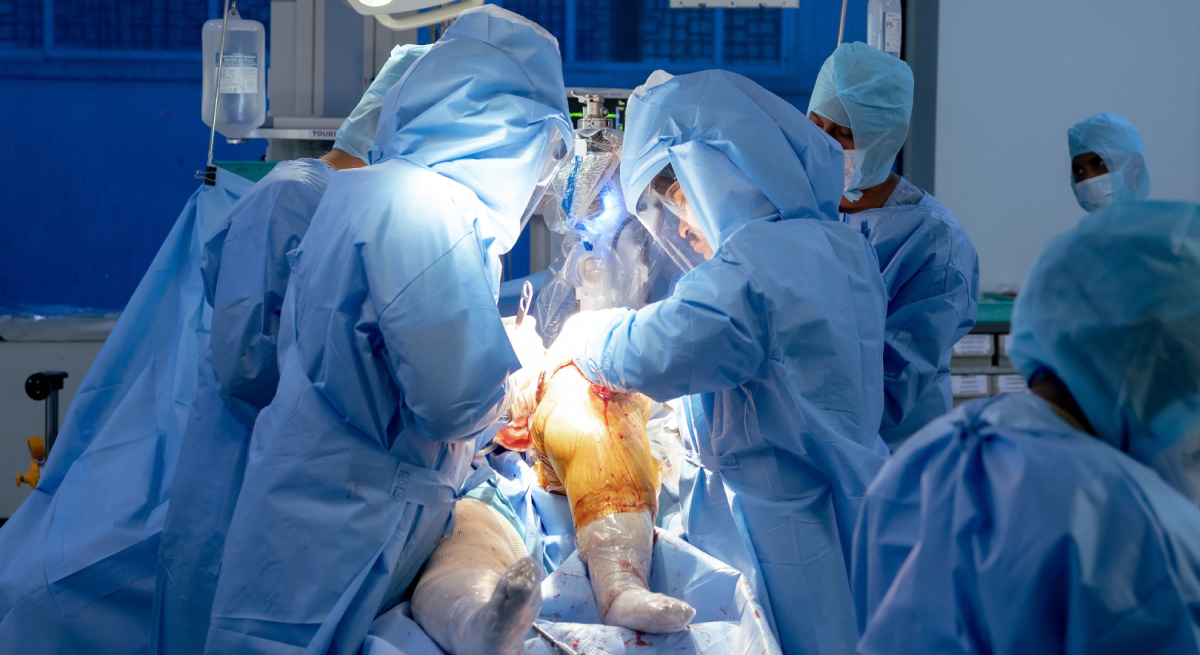
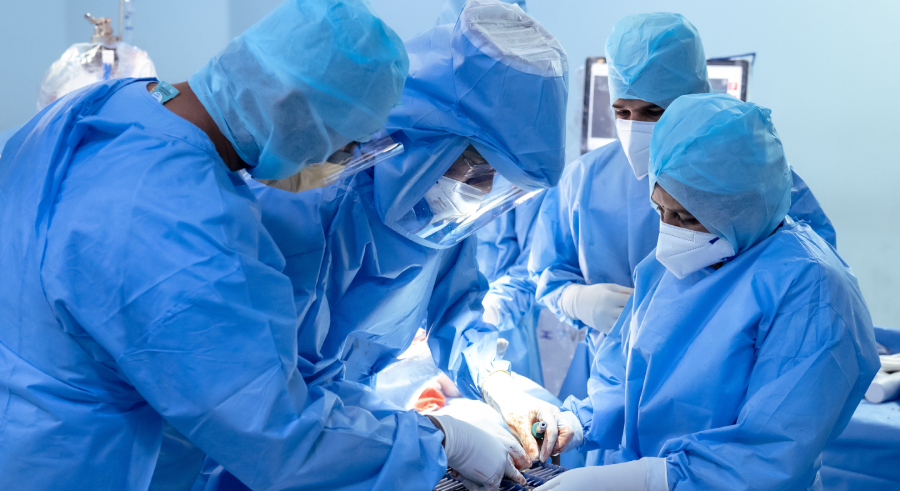
During knee replacement surgery in Chennai, the damaged cartilage and bone surfaces of the knee joint are carefully removed and replaced with artificial components made of metal and durable plastic. These implants are designed to mimic the natural movement of the knee joint.
The procedure typically involves removing damaged tissue, preparing the bone for implants, placing artificial joint components, and restoring smooth joint movement. Advances in surgical techniques and implant technology have improved the outcomes of knee replacement surgery in Chennai, allowing patients to recover mobility and experience long-term pain relief.
Frequently Asked Questions
When should someone consider knee replacement surgery?
If knee pain continues despite medication, physiotherapy, and lifestyle changes, consulting a specialist who performs knee replacement surgery in Chennai can help determine whether surgery is the best option.
How long does a knee replacement last?
Modern implants used in knee replacement surgery in Chennai can typically last 15 to 20 years or longer, depending on factors such as the patient’s age, activity level, body weight, and overall joint care. Advances in implant materials and surgical techniques have also improved the long-term durability of knee replacements.
Is knee replacement surgery safe?
When performed by experienced orthopedic surgeons, knee replacement surgery in Chennai, India is considered a safe and widely practiced procedure.
Conclusion
Knee arthritis gradually damages the joint and can significantly affect mobility if left untreated. While early stages can often be managed with medication and physiotherapy, advanced joint damage may require surgical treatment. In such situations, knee replacement surgery in Chennai can help relieve chronic pain and restore movement. With proper diagnosis and expert care, patients can regain mobility and improve their quality of life with guidance from the Chennai Ortho team.