
Many people assume occasional knee pain is simply a result of ageing, long work hours, exercise, or weight gain. Because discomfort often starts mildly, the early symptoms of knee arthritis are frequently ignored until daily activities become difficult. What begins as stiffness after waking up or pain while climbing stairs may gradually develop into long-term joint problems.
Recognising early symptoms of knee arthritis at the right time can help individuals seek treatment earlier, manage pain better, and potentially slow joint deterioration. The challenge is that these signs often appear slowly and may not seem serious initially.
Understanding the body’s warning signals can make a significant difference in preserving mobility and maintaining quality of life.
Why Early Symptoms of Knee Arthritis Are Often Overlooked
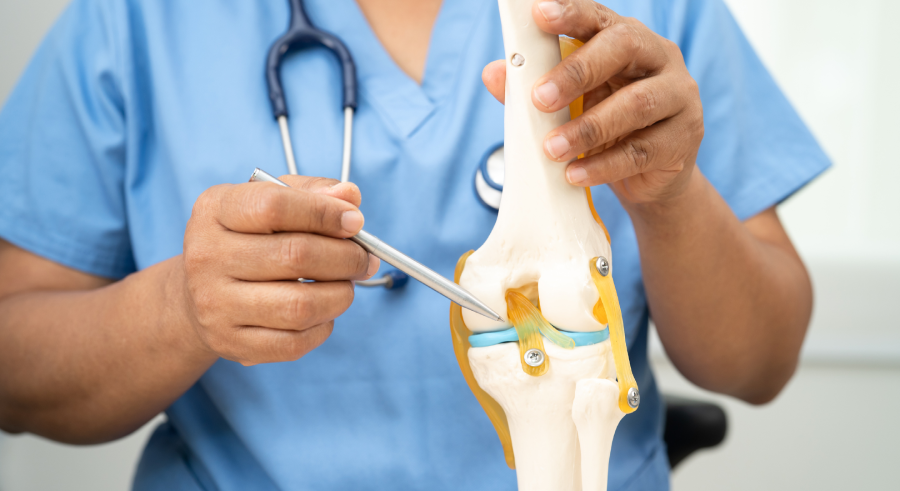
The knee joint contains cartilage that acts like a cushion between bones. Arthritis develops when this cartilage gradually wears away, causing friction, inflammation, and pain.
The early symptoms of knee arthritis do not usually begin with severe pain. Instead, symptoms may come and go, making people believe the problem is temporary.
Several factors can increase risk:
- Increasing age
- Previous knee injury
- Excess body weight
- Family history of arthritis
- Sedentary lifestyle
- Repetitive strain from work or sports
- Weak muscles supporting the knee
Ignoring early symptoms of knee arthritis may allow the condition to progress over time.
Common Early Symptoms of Knee Arthritis That Need Attention
Morning Stiffness That Improves Slowly
One of the most common early symptoms of knee arthritis is stiffness after waking up or sitting for extended periods.
People often notice:
- Difficulty straightening the knee
- Tightness during initial movement
- Improvement after walking for several minutes
Persistent stiffness should not be considered normal ageing.
Mild Knee Pain During Routine Activities
Pain may appear during:
- Climbing stairs
- Walking long distances
- Squatting
- Standing after sitting
Recurring discomfort during routine tasks is among the early symptoms of knee arthritis many individuals dismiss.
Swelling Around the Knee Joint
Inflammation inside the joint may cause swelling that appears occasionally.
Symptoms may include:
- Puffiness around the knee
- Warmth near the joint
- Increased swelling after activity
Swelling combined with pain may indicate early symptoms of knee arthritis rather than temporary strain.
Clicking or Grinding Sensation
Some people hear:
- Popping sounds
- Clicking noises
- Grinding sensations during movement
These signs alone may not confirm arthritis, but repeated noises with discomfort may reflect early symptoms of knee arthritis.
Reduced Knee Flexibility
Loss of movement is another warning sign.
People may struggle with:
- Sitting cross-legged
- Kneeling comfortably
- Fully bending the knee
Reduced flexibility is one of the early symptoms of knee arthritis that may worsen gradually.
Pain After Resting
Unexpected discomfort after inactivity is common.
Examples include:
- Pain after long drives
- Stiffness after sitting at work
- Knee discomfort after sleeping
These patterns are often overlooked early symptoms of knee arthritis.
Feeling That the Knee Is Weak or Unstable
Some individuals describe their knee as:
- Giving way unexpectedly
- Feeling weak while walking
- Becoming unstable on stairs
Instability should never be ignored when evaluating early symptoms of knee arthritis.
How Early Symptoms of Knee Arthritis Progress Over Time
Without treatment, symptoms may become more severe.
Progression can lead to:
- Chronic pain
- Persistent inflammation
- Difficulty walking
- Reduced mobility
- Sleep disturbance
- Loss of independence in daily tasks
Recognising early symptoms of knee arthritis early may help improve long-term outcomes.
Who Is More Likely to Experience Early Symptoms of Knee Arthritis?
Certain groups have higher risk:
- Adults over 50 years
- Individuals with obesity
- Athletes with previous injuries
- People performing repetitive physical work
- Those with family history of arthritis
Risk factors do not guarantee arthritis, but they increase chances of developing early symptoms of knee arthritis sooner.
Can Early Symptoms of Knee Arthritis Be Managed Without Surgery?
Many people fear arthritis automatically means surgery. In early stages, management options may include:
Weight Management
Reducing excess body weight may lower pressure on knee joints.
Physiotherapy
Targeted strengthening exercises support surrounding muscles.
Activity Modification
Low-impact movements can help reduce joint stress.
Medication Support
Doctors may suggest pain management approaches depending on severity.
Advanced Orthopaedic Treatments
When symptoms progress significantly, specialised procedures or joint replacement options may be considered.
Early intervention after noticing early symptoms of knee arthritis often provides more treatment choices.
Daily Habits That May Protect Knee Health
Simple lifestyle changes can support knee function:
- Maintain healthy body weight
- Stay physically active
- Avoid prolonged sitting
- Strengthen thigh muscles
- Wear supportive footwear
- Address knee injuries promptly
Protective habits may reduce worsening of early symptoms of knee arthritis.
Frequently Asked Questions
Are early symptoms of knee arthritis different from temporary knee pain?
Yes. Temporary pain often improves fully with rest. Early symptoms of knee arthritis tend to return repeatedly and may involve swelling, stiffness, or reduced flexibility.
At what age do early symptoms of knee arthritis begin?
Although more common in older adults, early symptoms of knee arthritis can appear earlier due to injuries, obesity, or genetics.
Can walking help?
Moderate activity under professional guidance often supports mobility and muscle strength.
Does every person with early symptoms of knee arthritis require surgery?
No. Many people manage symptoms successfully through physiotherapy, lifestyle adjustments, and medical treatment.
Small Warning Signs Today Can Become Bigger Problems Tomorrow
The early symptoms of knee arthritis rarely begin dramatically. Mild stiffness, swelling, occasional pain, or reduced flexibility may appear insignificant initially. However, repeated symptoms deserve evaluation rather than delay.
Seeking orthopaedic advice early may help preserve mobility and reduce progression. The Chennai Ortho team is recognised for advanced orthopaedic care and comprehensive joint treatment approaches. Dr Arumugam has over 27 years of experience, performed 8000+ joint replacements and 1000+ robotic knee surgeries, helping more than 20,000 patients with advanced knee care solutions. Early assessment remains one of the most important steps when early symptoms of knee arthritis start affecting daily life.