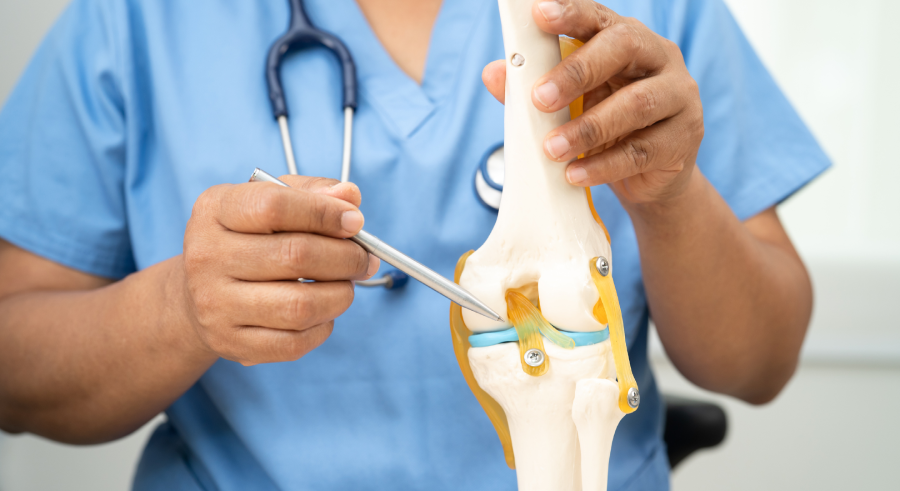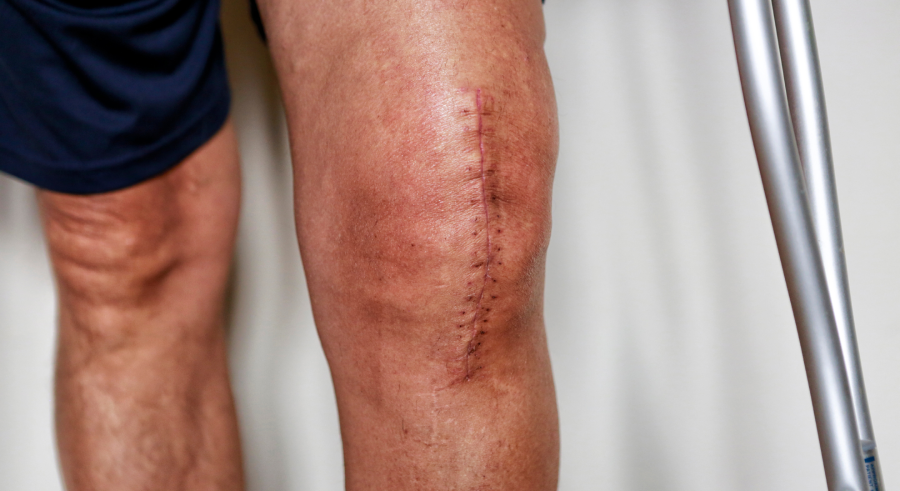
Knee alignment plays a major role in how the joint moves, bears weight, and functions over time. When arthritis or joint damage changes the natural alignment of the knee, everyday activities can become uncomfortable and difficult. Conventional knee replacement has helped many patients regain function, while robotic-assisted knee surgery offers greater precision during the procedure.
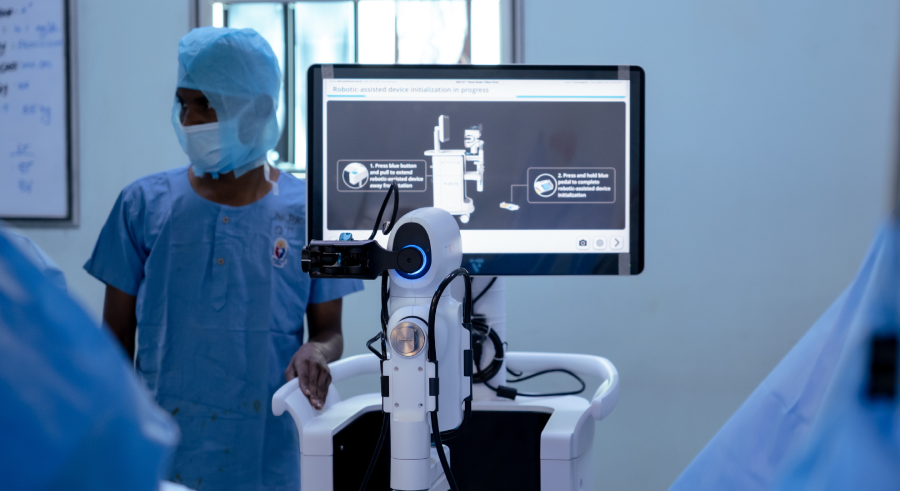
Robotic knee alignment is an important aspect of modern knee replacement because it helps surgeons plan and perform the surgery with improved accuracy. Rather than replacing the surgeon, robotic technology acts as an advanced surgical assistant, supporting precise implant positioning and restoring knee alignment based on each patient's anatomy.
Why Knee Alignment Matters in Knee Replacement Surgery
A healthy knee distributes body weight evenly across the joint. Arthritis, injuries, or deformities can affect this alignment, placing extra stress on different parts of the knee.
Poor alignment may lead to:
- Uneven wear of the joint
- Reduced stability
- Limited range of movement
- Increased stress on surrounding ligaments
- Difficulty with daily activities
The goal of knee replacement is not only to replace damaged surfaces but also to restore balanced knee mechanics.
Understanding Robotic Knee Alignment
Robotic knee alignment refers to the use of robotic-assisted technology to improve the precision of bone preparation and implant placement.
The robotic system creates a detailed understanding of the patient's knee during surgery. Using this information, the surgeon develops a personalised surgical plan while monitoring alignment and balance throughout the procedure.
Unlike conventional methods that rely mainly on manual instruments, robotic assistance provides real-time feedback, allowing accurate adjustments before implant placement.
How Robotic Technology Improves Knee Alignment
Modern robotic-assisted systems combine advanced imaging, computer guidance, and real-time measurements to support greater surgical accuracy.
Patient Specific Alignment
Every patient's knee is different. Bone shape, joint wear, ligament condition, and deformity vary from person to person.
Robotic systems help surgeons:
- Evaluate individual anatomy
- Plan implant positioning
- Adjust alignment using patient-specific measurements
- Preserve healthy bone whenever possible
Greater Precision During Surgery
The robotic platform continuously tracks surgical instruments and the patient's knee throughout the procedure.
This helps surgeons:
- Make accurate bone cuts
- Maintain planned alignment
- Position implants precisely
- Reduce unnecessary removal of healthy bone
Real-Time Soft Tissue Balancing
Successful knee replacement depends on both bone alignment and balanced ligaments.
Robotic systems help surgeons assess ligament tension throughout the procedure, supporting:
- Better joint stability
- Balanced movement
- Improved knee function
- More natural joint mechanics
Benefits of Accurate Robotic Knee Alignment
Restoring proper alignment offers several potential advantages.
Improved Joint Function
Accurate implant positioning supports smoother knee movement and improved stability.
Patients may experience:
- Better bending and straightening
- Improved weight distribution
- More stable movement
Better Implant Performance
Correct implant positioning reduces uneven forces acting on the artificial joint.
Potential benefits include:
- Reduced abnormal wear
- Better implant stability
- Improved load distribution
Greater Surgical Accuracy
Robotic systems assist surgeons in following the surgical plan with greater consistency, especially in complex cases.
Is Robotic Knee Alignment Suitable for Everyone?
Robotic-assisted knee replacement may be suitable for many patients with advanced knee arthritis. The surgeon evaluates factors such as:
- Severity of arthritis
- Degree of deformity
- Bone quality
- Overall health
- Previous knee surgeries
A detailed examination helps determine whether robotic-assisted surgery is the right option.
Recovery After Robotic-Assisted Knee Replacement
Recovery varies for every patient and depends on overall health and rehabilitation.
Rehabilitation generally includes:
- Early mobilisation
- Physiotherapy exercises
- Muscle strengthening
- Walking practice
- Gradual return to daily activities
Following the prescribed rehabilitation plan supports recovery and knee function.
Frequently Asked Questions
Is robotic knee alignment more accurate than conventional methods?
Robotic-assisted systems provide real-time guidance that helps surgeons achieve highly accurate implant positioning and alignment.
Does robotic-assisted knee replacement reduce pain after surgery?
Recovery differs for every patient. Pain levels depend on individual healing, rehabilitation, and overall health.
Is robotic-assisted knee replacement safe?
When performed by an experienced orthopedic surgeon, robotic-assisted knee replacement follows established surgical safety protocols.
Why is robotic knee alignment important?
Proper robotic knee alignment supports balanced joint mechanics, accurate implant positioning, and improved knee function.
Conclusion
Robotic-assisted knee replacement has enhanced the precision of knee replacement surgery by supporting accurate planning, alignment, and implant positioning. Proper robotic knee alignment helps restore balanced joint mechanics and supports improved knee function based on each patient's anatomy.
For individuals considering knee replacement, consulting an experienced orthopedic team is essential to determine the most appropriate treatment approach. Dr. Arumugam and Chennai Ortho team provide personalised evaluation, advanced surgical expertise, and comprehensive care to help patients achieve the best possible outcomes.