One of the first things patients want to know before a knee replacement is how long does knee replacement surgery take? The answer is usually shorter than expected. The operation itself commonly takes about one to two hours, although the complete hospital process takes longer because it also includes pre-surgery preparation and recovery after anesthesia.
The duration can vary from one patient to another. The condition of the knee, type of replacement, previous procedures, surgical approach, and the team's experience can all influence the time required. Knowing what happens before, during, and after the operation gives patients a clearer picture of the day.
How Long Does Knee Replacement Surgery Take?
For a routine total knee replacement, the surgical procedure generally takes around 60 to 90 minutes. Some operations may be completed sooner, while more complicated cases can require additional time.
It is important to understand that this does not mean the patient will be in the operating room for exactly one hour. There is preparation before surgery and monitoring afterward.
The overall timeline usually includes:
- Pre-operative assessment and preparation
- Anesthesia administration
- The knee replacement procedure
- Recovery from anesthesia
- Initial post-operative monitoring
Therefore, patients should plan for several hours at the hospital even though the actual surgical portion may be considerably shorter.
What Happens Before the Operation?
The process starts before the patient enters the operating room. The medical team reviews the patient's medical history, medications, investigations, and anesthesia requirements.
The surgical team also confirms the planned procedure and examines the knee before surgery begins. These checks are important because they help the team prepare for the specific requirements of that patient.
Once the necessary preparations are complete, the patient is taken into the operating room.
What Happens During Knee Replacement Surgery?
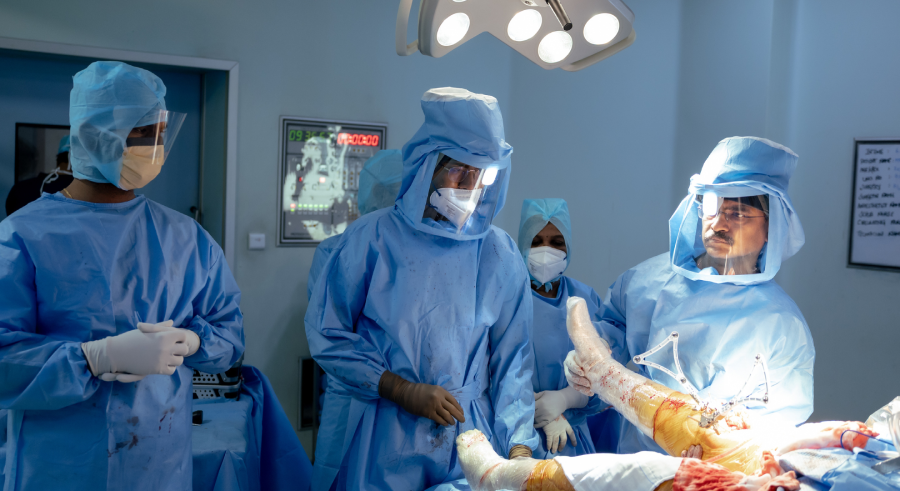
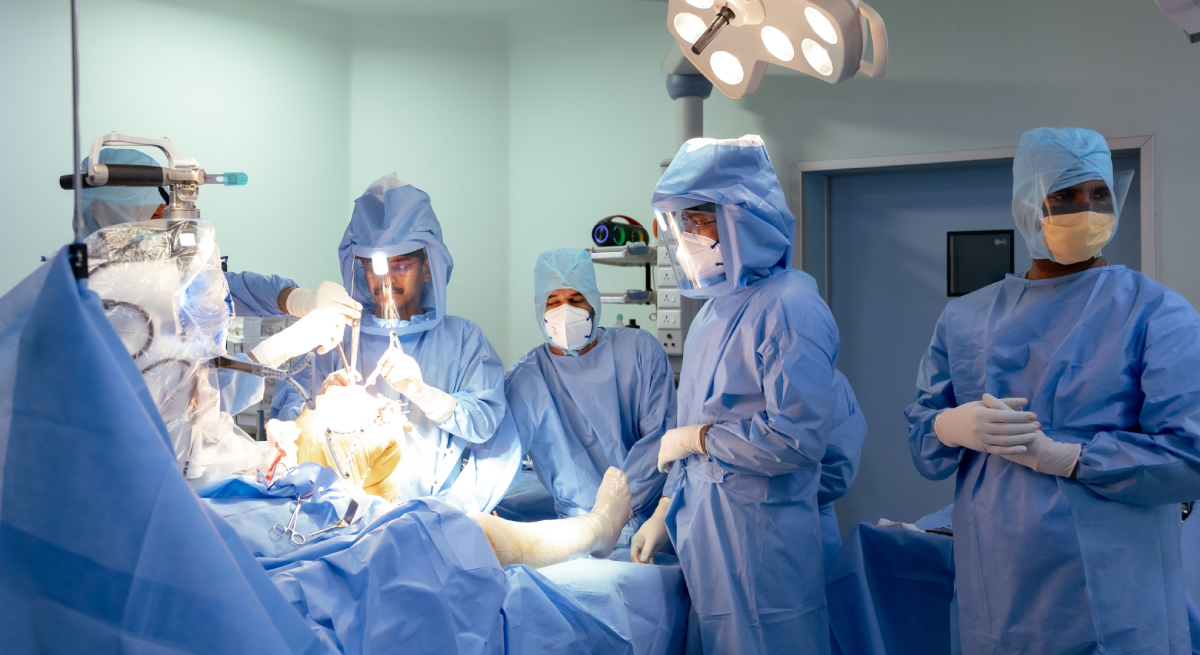
During a knee replacement, the surgeon removes the damaged surfaces of the knee joint and prepares the bones to receive the artificial components.
The procedure generally involves:
- Preparing the damaged areas of the femur and tibia
- Removing worn cartilage and a small amount of bone
- Positioning the replacement components
- Checking the movement and stability of the knee
- Closing the surgical incision
The surgeon carefully checks the alignment and function of the replacement before completing the procedure. Although the process follows a planned sequence, the exact operating time depends on the patient's anatomy and the complexity of the knee condition.
Why Can the Time Vary Between Patients?
There is no fixed duration that applies to every knee replacement. Several factors can affect the surgical timeline.
Severity of Joint Damage
Severe arthritis may cause deformity or changes in the shape of the bone. Such cases may require additional surgical planning and correction.
Previous Operations
A knee that has undergone earlier surgery may have scar tissue or altered anatomy. This can make the procedure more technically demanding.
Type of Replacement
A partial knee replacement involves replacing only the affected compartment, while a total knee replacement addresses the damaged surfaces of the entire joint. The surgical requirements are therefore different.
Surgical Technology
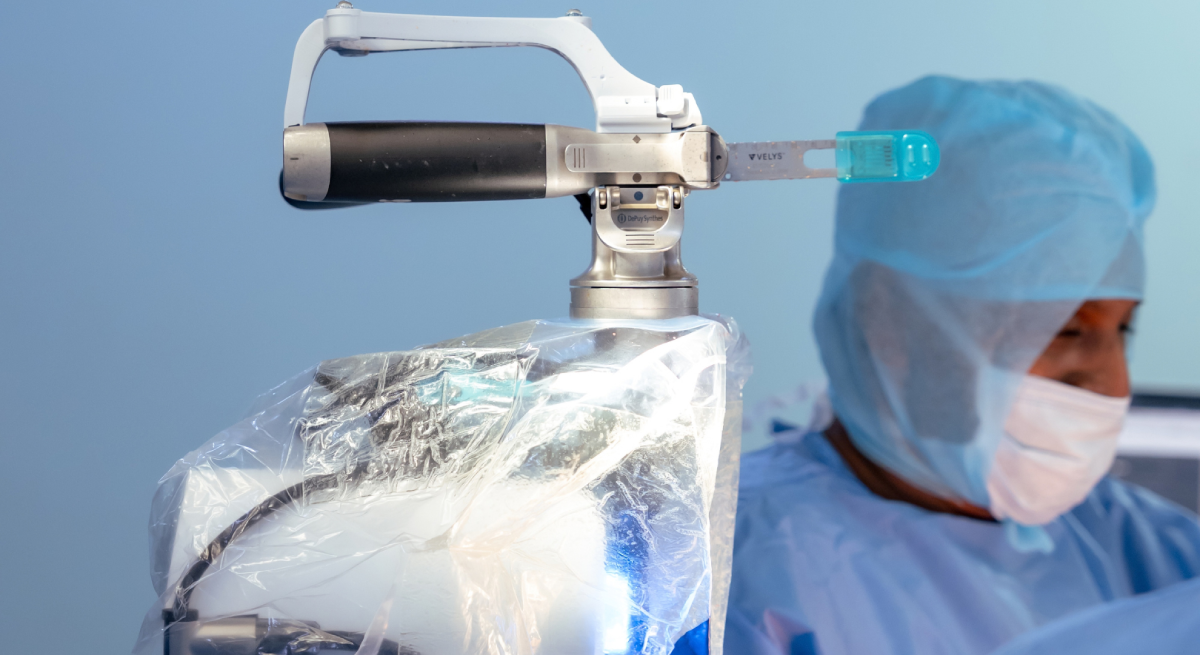
Robotic-assisted systems can support planning and precision during knee replacement. The technology is used as an aid to the surgeon and may involve additional preparation before the operation.
Does a Faster Operation Mean a Better Operation?
Not necessarily.
The purpose of knee replacement is not to finish as quickly as possible. Accuracy, appropriate implant positioning, alignment, and careful handling of the surrounding tissues are more important than simply reducing operating time.
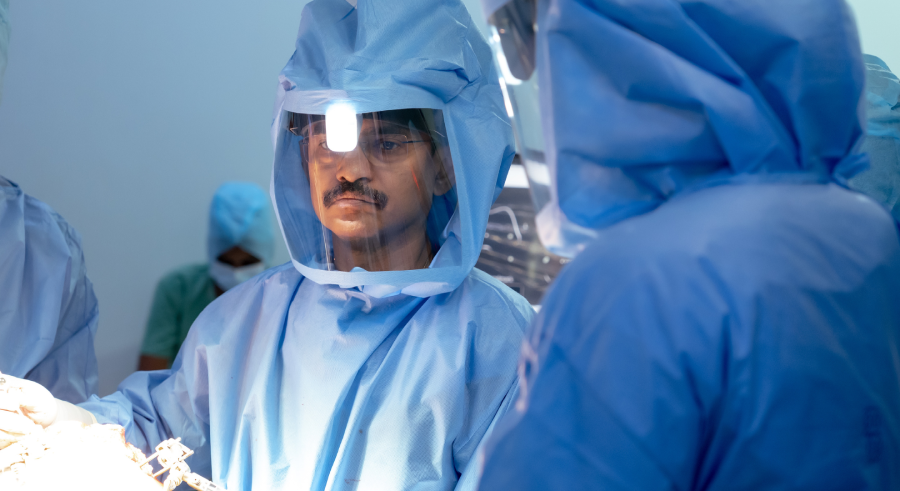
An experienced surgical team may work efficiently because each member understands their responsibilities and follows a well-established process. Efficiency should support precision, not replace it.
For a team that performs knee replacements regularly, the workflow can become highly coordinated. Surgeons, anesthetists, nurses, and technicians work together so that each stage is completed in an organized manner.
What Happens After Knee Replacement Surgery?
Once the operation is complete, the patient is moved to a recovery area. The medical team monitors the patient's vital signs and recovery from anesthesia.
Pain control and early rehabilitation are also important parts of the immediate post-operative period. Depending on the patient's condition, physiotherapy and assisted movement may begin soon after surgery.
Recovery does not depend on the operation's duration alone. Factors such as age, general health, muscle strength, medical conditions, and rehabilitation can influence how quickly a patient progresses.
How Can Patients Prepare for Surgery Day?
Patients can make the process smoother by following the instructions provided by their healthcare team.
Before surgery, patients should:
- Follow fasting instructions carefully
- Discuss regular medicines with the medical team
- Complete recommended investigations
- Arrange necessary support for the recovery period
- Follow instructions regarding bathing and clothing
- Ask questions about anesthesia, surgery, and rehabilitation
Being prepared also helps patients understand what to expect once they arrive at the hospital.
Frequently Asked Questions
How long does knee replacement surgery take?
The actual procedure commonly takes about 60 to 90 minutes, although the time can vary depending on the individual case.
Is the entire hospital process only one hour?
No. Preparation before surgery and monitoring afterward add to the total time spent at the hospital.
Does robotic knee replacement take longer?
The duration depends on the individual procedure and surgical workflow. Robotic technology may require additional planning and setup while supporting accurate execution.
When does rehabilitation begin?
Early movement and physiotherapy may begin soon after surgery when medically appropriate. The exact timing is decided by the treating team.
Is surgery time the most important factor?
No. Proper planning, surgical accuracy, implant positioning, patient safety, and appropriate rehabilitation are more important than completing the procedure in the shortest possible time.
Conclusion
So, how long does knee replacement surgery take? In many routine cases, the operation itself takes around one to two hours, but patients should allow additional time for preparation and recovery at the hospital.
At Chennai Ortho Team, a coordinated surgical approach helps ensure that each stage of knee replacement is planned and performed systematically. The focus remains on careful surgical technique, appropriate implant placement, patient safety, and structured recovery rather than simply completing the procedure quickly.