
Most people do not notice the signs you need knee replacement until everyday activities start becoming difficult. Simple movements like climbing stairs, walking short distances, standing for long hours, or getting up from a chair may slowly become painful over time. While occasional knee discomfort can happen due to strain or ageing, persistent pain and stiffness are often important signs you need knee replacement surgery evaluation.
Orthopaedic specialists explain that recognizing the early signs you need knee replacement can help patients seek timely treatment before severe joint damage begins affecting mobility, independence, and overall quality of life.
Constant Knee Pain During Daily Activities
One of the most common signs you need knee replacement surgery is ongoing pain that affects routine movement. Initially, the pain may appear only after physical activity. Over time, the discomfort may continue throughout the day.
Many patients begin experiencing:
- Pain while walking short distances
- Difficulty standing for long periods
- Knee discomfort while climbing stairs
- Pain even while resting
When knee pain continues despite medications or therapy, doctors may recommend evaluating whether knee replacement surgery is required.
Stiffness That Limits Knee Movement
A healthy knee should move freely and comfortably. Persistent stiffness is often one of the early signs you need knee replacement because damaged cartilage reduces smooth joint movement.
People commonly notice stiffness while:
- Getting up from bed
- Standing after sitting for long hours
- Entering or exiting a car
- Bending the knee fully
As stiffness increases, simple movements may begin feeling restricted and uncomfortable.
Swelling That Frequently Returns
Recurring swelling is another important sign of advanced knee problems. Inflammation inside the joint usually develops when cartilage damage becomes severe.
Common reasons include:
- Arthritis-related inflammation
- Bone friction inside the knee
- Fluid buildup around the joint
- Joint degeneration
Patients experiencing repeated swelling along with pain often show several signs you need knee replacement surgery evaluation.
Walking Has Become Difficult
Walking naturally without discomfort is something many people take for granted until knee damage progresses. Difficulty walking is considered one of the strongest signs you need knee replacement because it directly affects independence.
Some individuals begin noticing:
- Slower walking speed
- Reduced balance
- Fear of falling
- Need for support while walking
- Difficulty during long walks
Over time, many patients avoid social outings, travel, or physical activities because movement becomes exhausting.
Climbing Stairs Causes Severe Discomfort
Stair movement places extra pressure on the knee joint. This is why many patients first recognize the signs you need knee replacement while climbing stairs.
Common experiences include:
- Taking one step at a time
- Holding railings for support
- Sharp pain while climbing down
- Knee weakness during movement
This difficulty usually indicates that the knee joint has lost significant cushioning and flexibility.
Pain Relief Treatments No Longer Work
Doctors usually recommend non-surgical treatments before considering surgery. These may include:
- Physiotherapy
- Weight management
- Knee braces
- Pain medications
- Joint injections
However, when these treatments stop providing long-term relief, it may indicate advanced joint damage. One of the major signs you need knee replacement surgery is when pain continues despite multiple treatment methods.
Repeated use of painkillers without lasting improvement should not be ignored.
Changes in Knee Shape or Alignment
Advanced arthritis can slowly affect knee alignment and overall posture. Visible changes are among the later signs you need knee replacement and often suggest severe wear inside the joint.
Patients may notice:
- Bowed legs
- Uneven walking posture
- Bent knees
- Limping while walking
Joint deformity can increase pressure on surrounding muscles and joints, making movement even more uncomfortable.
Knee Pain Is Affecting Sleep and Mental Health
Chronic pain does not only affect physical movement. Many people dealing with severe arthritis experience interrupted sleep and emotional stress.
Long-term knee pain may lead to:
- Difficulty sleeping comfortably
- Fatigue during the day
- Irritability
- Reduced confidence
- Frustration with daily limitations
Doctors increasingly recognize that untreated knee problems can significantly affect overall quality of life.
Why Early Treatment Matters
Many patients delay surgery because they believe it should only be considered as a last option. However, delaying treatment after experiencing clear signs you need knee replacement can sometimes worsen mobility and joint damage.
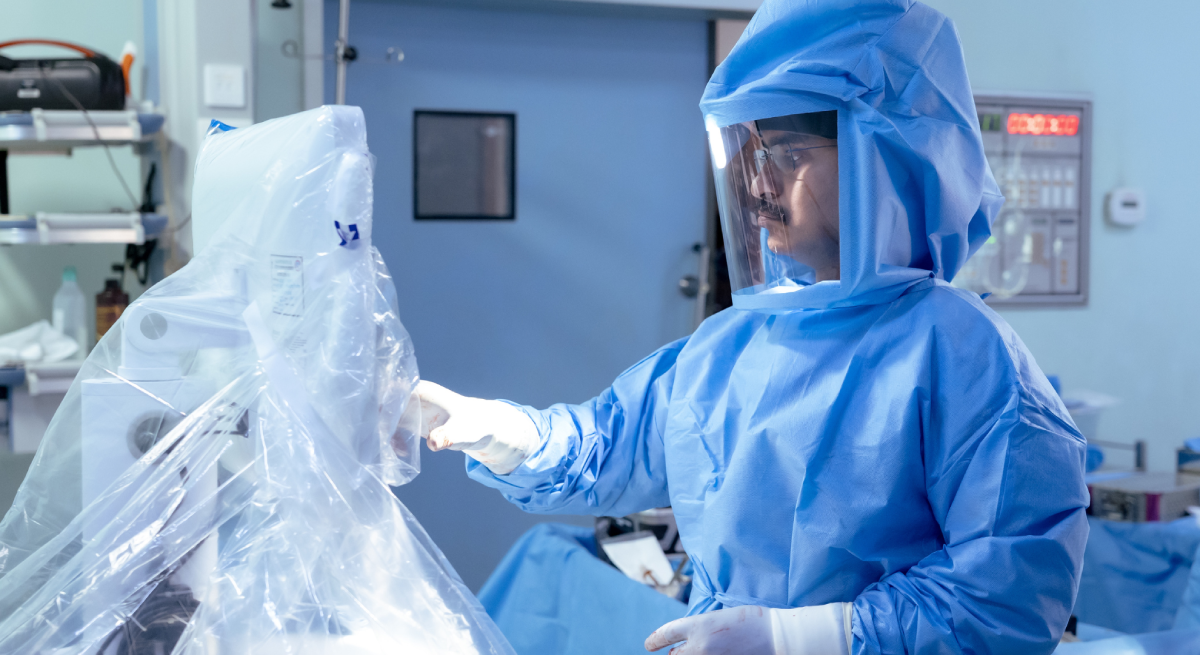
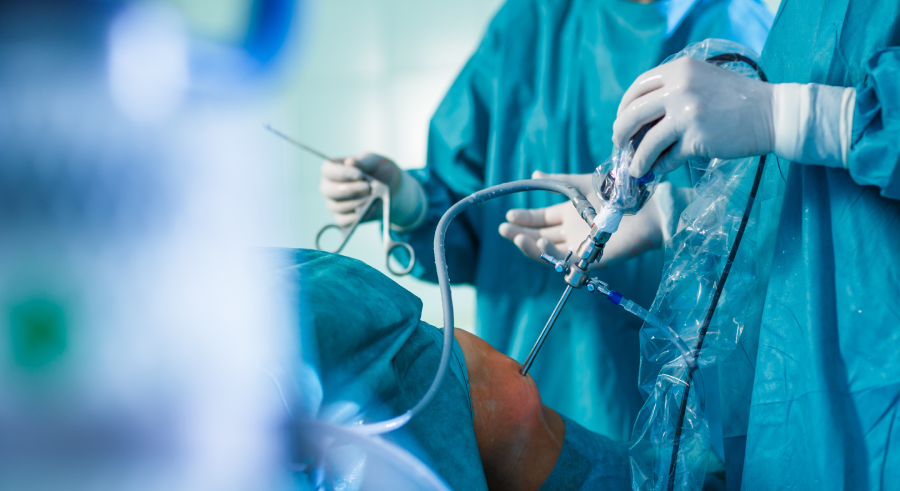
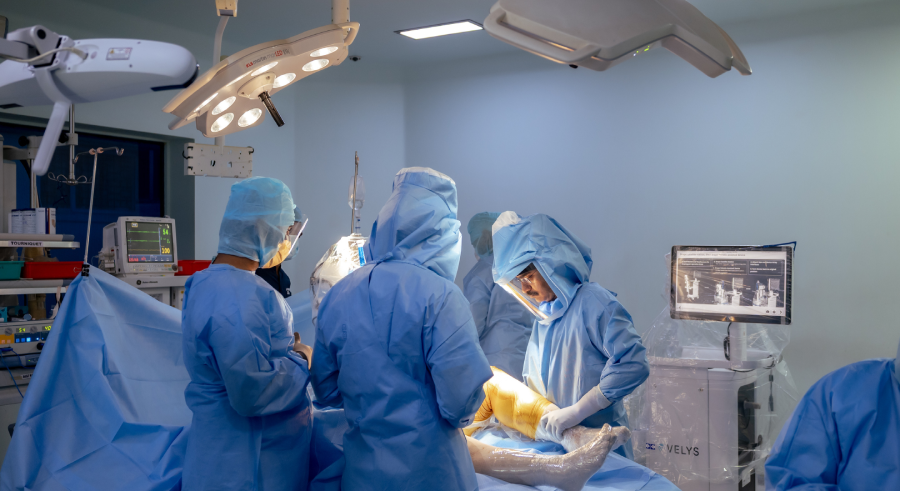
Modern orthopaedic care has advanced significantly in recent years. Robotic-assisted knee replacement now helps improve surgical precision, implant positioning, and recovery outcomes for many patients.
An early consultation helps specialists determine:
- The severity of joint damage
- Whether non-surgical care is still effective
- The best treatment timeline
- Suitable recovery plans for the patient
Benefits of Modern Knee Replacement Surgery
Patients undergoing knee replacement surgery often experience major improvements in movement and comfort after recovery.
Potential benefits include:
- Reduced knee pain
- Better walking ability
- Improved flexibility
- Easier stair movement
- Enhanced daily mobility
Modern rehabilitation programs also help many individuals return to routine activities more efficiently.
Frequently Asked Questions
What are the most common signs you need knee replacement?
Persistent pain, stiffness, swelling, difficulty walking, and reduced knee movement are among the most common signs.
Are there early signs you need knee replacement surgery?
Yes. Early signs may include morning stiffness, recurring swelling, pain during walking, and discomfort while climbing stairs.
Can physiotherapy avoid knee replacement?
Physiotherapy may help in early or moderate stages. However, severe joint damage may still require surgery.
Is knee replacement safe?
Modern knee replacement surgery is widely performed and supported by advanced technology and rehabilitation methods.
When should someone consult a knee specialist?
A specialist consultation is recommended when knee pain affects daily life, mobility, sleep, or continues despite treatment.
Conclusion
Recognizing the signs you need knee replacement early can help prevent further joint damage and improve long-term mobility. Delaying treatment may continue affecting walking ability, comfort, and overall quality of life.
The Chennai Ortho team focuses on advanced orthopaedic care designed to improve movement, comfort, and recovery outcomes. Dr. S. Arumugam, along with the Chennai Ortho team, is known for expertise in robotic knee replacement surgery, with experience in over 8000 joint replacements and 1000+ robotic knee procedures. Their patient-focused approach emphasizes precision, faster recovery, and better mobility for individuals dealing with severe knee joint problems.