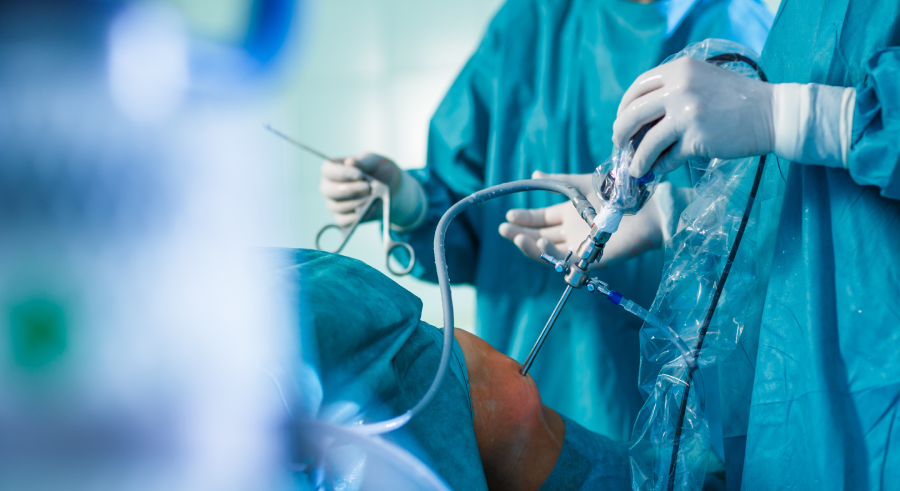
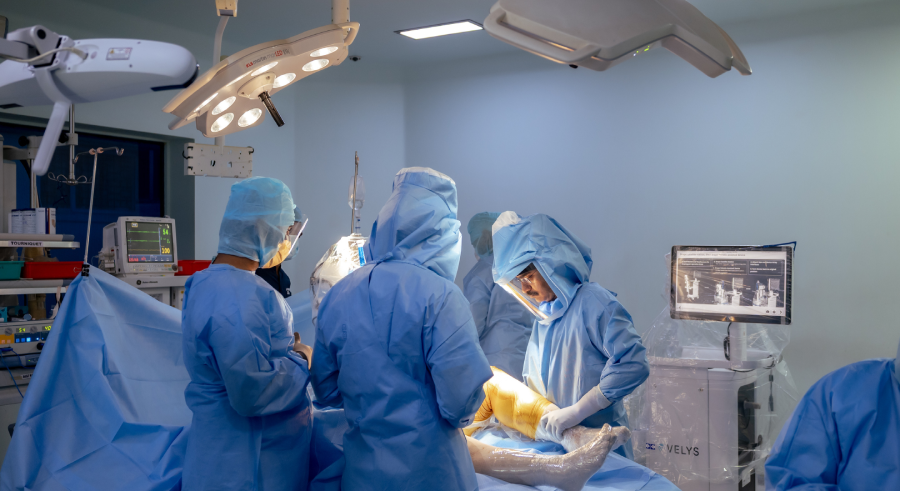
For an NRI researching knee replacement surgery for NRI patients, the decision usually involves two questions: Is knee replacement the right treatment, and is travelling to India practical for the procedure? A patient's previous treatment, knee condition, medical history, recovery, and arrangements after surgery all matter.
An orthopedic consultation before travelling can help establish whether surgery is appropriate and what the patient should expect during the stay in India.
Is Knee Replacement the Right Choice?
Knee replacement may be considered when arthritis has caused substantial damage and symptoms continue despite appropriate non-surgical treatment.
The decision is based on symptoms, knee examination, imaging, medical history, and previous treatments. For someone considering knee replacement surgery for NRI patients, sharing medical information before travelling can make the initial consultation more useful.
Patients should keep:
- Recent knee X-rays or scans
- Previous orthopedic reports
- Physiotherapy and treatment records
- Current medications
- Previous surgery records
- Relevant medical conditions and allergies
Knee Replacement Surgery for NRI Patients: What Should Be Planned First?
International surgery requires planning beyond the operation itself. The patient needs to consider the consultation, investigations, hospitalisation, early rehabilitation, follow-up, and return travel.
For knee replacement surgery for NRI patients, the treating surgeon can help establish a broad timeline before flights and accommodation are booked.
Start With the Orthopedic Consultation
The consultation helps determine whether replacement is indicated and allows the surgeon to discuss the procedure, implant, surgical approach, recovery, and possible risks.
If robotic assistance is being considered, its role should be explained according to the patient's specific knee condition.
Keep Medical Information Ready
NRIs should carry physical or digital copies of important medical records. Having previous reports available gives the surgeon a clearer treatment history.
Choosing the Surgeon: Questions NRIs Should Ask
Surgeon selection should involve more than online reviews or treatment packages.
Before proceeding with knee replacement surgery for NRI patients, useful questions include:
- What experience does the surgeon have with knee replacement?
- Why is the proposed procedure appropriate?
- Would robotic assistance have a role?
- Which implant is being considered?
- What should recovery involve?
- How will follow-up be managed after returning overseas?
These questions help patients understand the proposed treatment before making a decision.
Where Does Robotic Knee Replacement Fit?
Robotic-assisted knee replacement may be an option for selected patients. It can assist the surgeon with planning and bone preparation based on individual knee anatomy.
The technology does not make surgical decisions independently. The orthopedic surgeon evaluates the knee, plans the procedure, and performs the operation.
Therefore, an NRI considering knee replacement surgery for NRI patients should first establish whether robotic assistance is clinically suitable.
How Much Time Should Be Allowed in India?
An international patient should not plan only around the operation date. Time may be required for assessment, investigations, hospitalisation, early rehabilitation, and post-operative review.
Recovery differs between patients. The treating surgeon should advise when the patient is medically fit to travel. Someone planning knee replacement surgery for NRI patients should therefore avoid fixing a return flight too close to surgery.
Rehabilitation continues after returning home according to the treating team's instructions.
Understanding the Total Treatment Cost
Cost is often an important consideration for NRIs, but the surgery price may not represent the entire expense.
Depending on the treatment plan, expenses may include:
- Surgeon and hospital fees
- Implant
- Investigations
- Hospital stay
- Medicines
- Physiotherapy
- Follow-up consultations
- Accommodation and local transportation
The actual amount depends on the patient's requirements. A personalised estimate is more useful than a general online figure.
For knee replacement surgery for NRI patients, patients should also confirm what is included in the quoted amount before making travel arrangements.
What Happens After Returning Overseas?
The end of hospitalisation is not the end of recovery.
Before travelling home, the patient should understand the rehabilitation schedule, medication instructions, wound care, activity restrictions, and follow-up requirements.
An NRI undergoing knee replacement surgery for NRI patients should also know whom to contact if a concern develops after returning home.
Where appropriate, information from the surgical team can be shared with a local doctor or physiotherapist to support continuity of care.
Before You Travel to India: NRI Checklist
The website can present this as a compact checklist card that patients can easily scan or save.
Before travelling, check that you have:
- Recent knee scans and medical records
- Previous treatment details
- Current medication information
- An orthopedic consultation arranged
- A clear understanding of the proposed procedure
- An estimated treatment timeline
- Accommodation arranged for recovery
- Someone available to assist during early recovery
- A rehabilitation plan
- A post-return follow-up arrangement
- Adequate time before the return flight
For the website, use a single-column format on mobile and two columns on desktop inside a distinct information box.
FAQs
Can an NRI consult an orthopedic surgeon before travelling to India?
Yes. Medical records and imaging can be reviewed before travel. A physical examination may still be required before confirming surgery.
What should an NRI carry for a knee replacement consultation?
Recent scans, treatment records, medication details, prescriptions, and relevant medical reports are useful.
How long should an NRI stay in India after surgery?
There is no standard duration. The surgeon should assess recovery and fitness for travel before the patient returns overseas.
Is robotic-assisted knee replacement suitable for everyone?
No. Suitability depends on the patient's knee condition, anatomy, and treatment plan.
Can follow-up continue after returning overseas?
Yes. Follow-up requirements can be discussed before discharge, with rehabilitation and local healthcare coordination arranged when appropriate.
Conclusion
Medical treatment abroad requires planning beyond the surgical procedure. For an NRI, the choice of surgeon, medical records, treatment timeline, recovery arrangements, travel plans, and follow-up should be considered before travelling.
For patients exploring knee replacement surgery for NRI patients, an early consultation with an experienced orthopedic surgeon can help establish whether surgery is appropriate and what the treatment process may involve.
The Chennai Ortho team can help NRIs understand the evaluation, surgical options, recovery requirements, and follow-up considerations before travelling to India for knee replacement treatment.