Managing knee arthritis has become more effective with advances in early diagnosis, physiotherapy and personalised treatment. Many patients can maintain an active lifestyle, improve knee movement and continue their daily activities with the right care. This brings up an important question: can knee arthritis be reversed, and how much improvement is possible once cartilage begins to wear down? Although damaged cartilage has limited ability to regenerate, modern treatment approaches can help reduce pain, strengthen the knee and support better joint function for years.
Can Knee Arthritis Be Reversed Completely?
Knee osteoarthritis cannot currently be reversed completely. Once significant cartilage loss occurs, the body has limited ability to rebuild the original smooth joint surface.
However, arthritis does not progress at the same speed in every patient. Some people experience mild symptoms for years, while others develop increasing pain and restricted movement.
Treatment aims to:
- Reduce inflammation and joint discomfort.
- Strengthen muscles supporting the knee.
- Improve walking and everyday movement.
- Reduce excessive pressure on damaged cartilage.
- Maintain independence and physical activity.
Improvement in symptoms does not necessarily mean cartilage has regenerated. A patient may walk comfortably again even though structural changes remain visible on imaging.
What Happens to Cartilage During Knee Arthritis?
Cartilage forms a smooth protective layer over the ends of bones. It allows the knee to bend and straighten with minimal friction. During osteoarthritis, cartilage gradually loses its normal structure. Changes may also develop in the underlying bone, joint lining and surrounding tissues. Understanding how cartilage changes over time helps explain why the answer to can knee arthritis be reversed depends on the extent of existing joint damage.
How Cartilage Damage Progresses
Early-stage arthritis: Cartilage begins developing surface changes. Patients may notice occasional pain after prolonged activity.
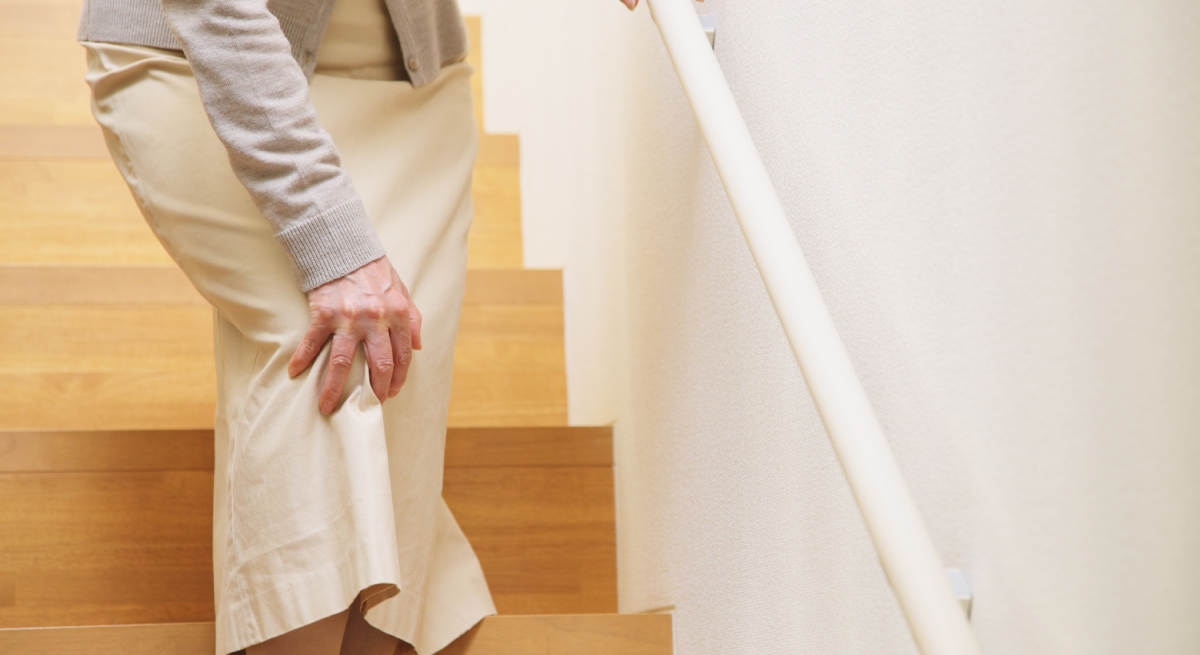
Moderate arthritis: Cartilage loss becomes more noticeable. Joint stiffness, swelling and difficulty climbing stairs may develop.
Advanced arthritis: Significant cartilage loss narrows the joint space. Bone changes and knee deformity may accompany increasing movement difficulties.
These arthritis stages help explain why treatment should be based on both symptoms and joint condition.
Can Knee Arthritis Be Reversed Through Exercise?
Exercise cannot recreate lost cartilage, but it can improve how an arthritic knee functions. When exploring whether can knee arthritis be reversed through physical activity, it is essential to understand that regular exercise strengthens the muscles supporting the joint and improves mobility rather than rebuilding lost cartilage.
Strong thigh and hip muscles help support the joint during walking, standing and climbing stairs. This may reduce discomfort and improve stability.
Useful activities include:
- Quadriceps strengthening: Improves muscular support around the knee.
- Stationary cycling: Encourages controlled joint movement.
- Swimming: Allows exercise with less weight-bearing pressure.
- Straight-leg raises: Strengthens thigh muscles without repeated knee bending.
- Gentle stretching: Helps maintain comfortable movement.
Exercises should match the patient's symptoms and physical ability. Persistent worsening pain or swelling requires reassessment rather than simply increasing exercise intensity.
Which Treatments Can Slow Symptoms and Improve Knee Function?
The right treatment depends on arthritis severity, overall health and the activities a patient wants to regain. Patients asking can knee arthritis be reversed through medical treatment should understand that most established therapies focus on symptom relief, mobility and maintaining joint function.
Weight Management and Physiotherapy
For patients who are overweight, even modest weight reduction can decrease strain on the knees. Combined with physiotherapy, it may improve walking tolerance and reduce pain.
Medicines and Joint Injections
Topical anti-inflammatory medicines may help control local discomfort. Oral medicines require medical supervision, particularly in patients with kidney, stomach or heart conditions.
Corticosteroid injections may offer temporary relief when symptoms interfere with rehabilitation. However, injections do not restore worn cartilage.
Can PRP or Stem Cell Treatment Regrow Cartilage?
As of 2026, regenerative treatments remain an active research area.
Platelet-rich plasma (PRP) may improve symptoms in selected patients, although results vary. Stem cell treatments have not been established as reliable methods for restoring cartilage lost through widespread knee osteoarthritis. Research into can knee arthritis be reversed using regenerative therapies continues, but current evidence does not support a reliable method for restoring cartilage throughout an arthritic knee.
Patients should distinguish symptom improvement from proven cartilage regeneration before considering expensive procedures.
When Does Knee Replacement Become Necessary?
Understanding can knee arthritis be reversed also helps patients recognise when treatments aimed at preserving the natural joint may no longer provide sufficient improvement. Knee replacement may be considered when severe arthritis continues to affect daily life despite appropriate non-surgical treatment.
Warning signs include:
- Persistent pain affecting sleep.
- Difficulty walking short distances.
- Increasing bow-legged or knock-kneed deformity.
- Trouble standing from a chair.
- Limited improvement with medicines and physiotherapy.
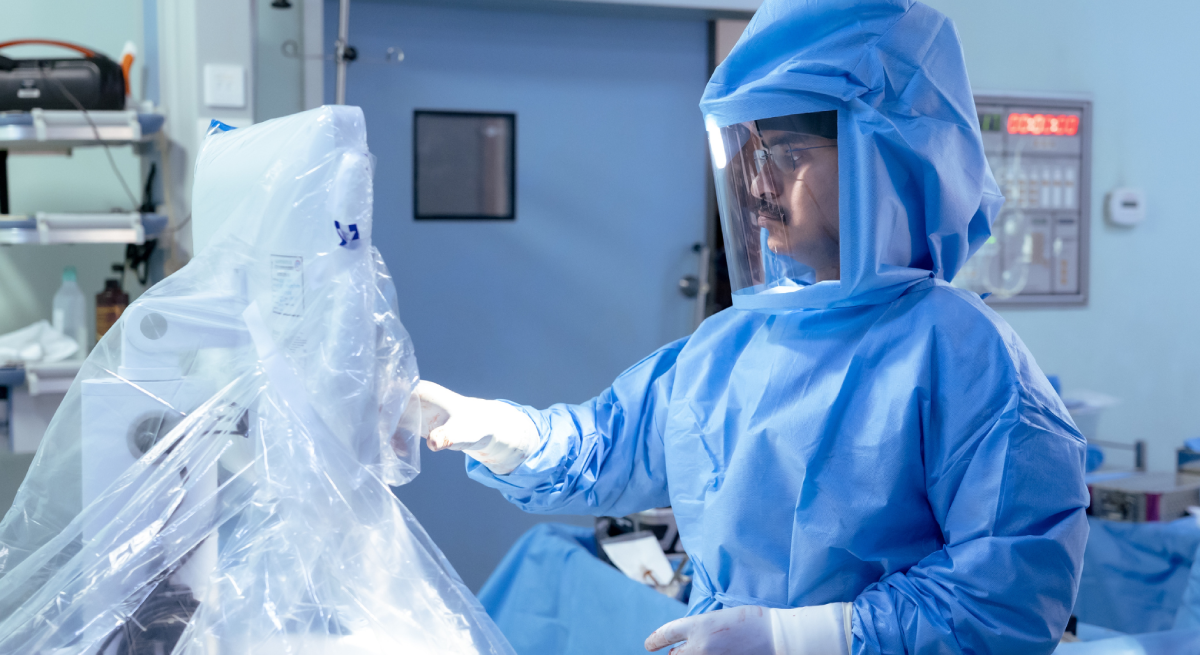
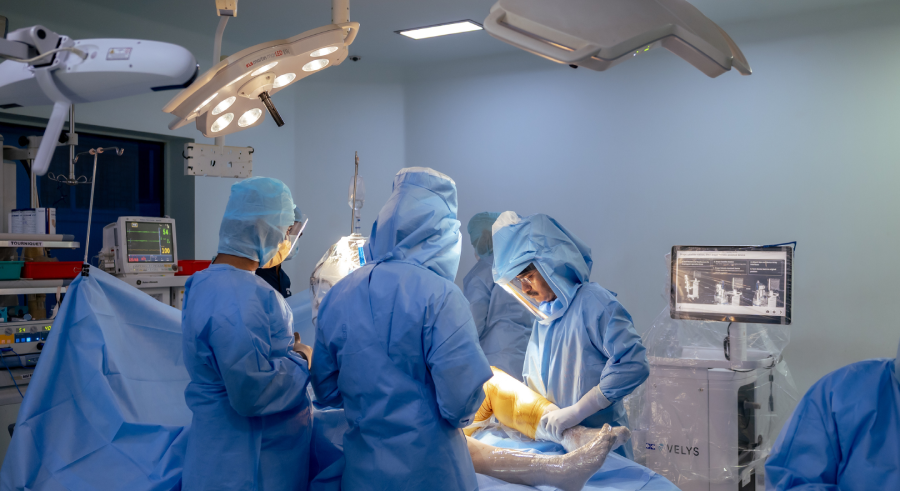
Robotic-assisted knee replacement can help surgeons plan implant placement and assess joint balance. It replaces damaged joint surfaces rather than regenerating cartilage.
Dr. S. Arumugam, with over 27 years of orthopedic experience and more than 1,000 robotic knee replacement surgeries, evaluates patients to determine whether continued conservative care or surgery is appropriate.
Frequently Asked Questions
1. Can knee arthritis be reversed naturally?
No. Natural approaches cannot reliably rebuild cartilage lost through osteoarthritis. However, strengthening exercises, weight management and suitable physical activity can improve symptoms.
2. Can early knee arthritis be stopped from progressing?
Early treatment may help preserve function and reduce symptoms. However, no treatment can guarantee that arthritis will stop progressing completely.
3. Does walking worsen knee arthritis?
Walking is generally beneficial when performed within comfortable limits. Patients experiencing severe pain or swelling may need changes to their activity plan.
4. Can cartilage grow back after knee arthritis?
Widespread cartilage loss from osteoarthritis does not naturally regenerate to its original state. Certain cartilage repair procedures may help selected localised injuries, but they are not suitable for most advanced arthritic knees.
5. Is surgery necessary for every arthritis patient?
No. Many patients manage knee arthritis successfully without surgery. Joint replacement is considered when pain and restricted movement substantially affect daily activities despite treatment.
Conclusion
Understanding how knee arthritis can be reversed helps patients set realistic expectations. Although established cartilage damage cannot usually be undone, early assessment and consistent treatment can make a meaningful difference to mobility and comfort.
The Chennai Ortho team, led by Dr. S. Arumugam, assesses cartilage damage, knee alignment and functional limitations before recommending personalised treatment. Patients experiencing persistent knee symptoms can book an appointment to discuss suitable options for maintaining joint health and mobility.