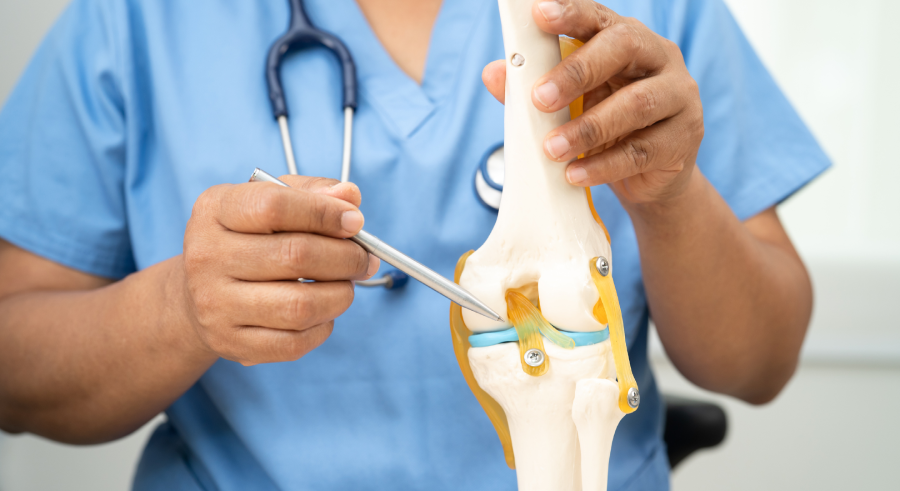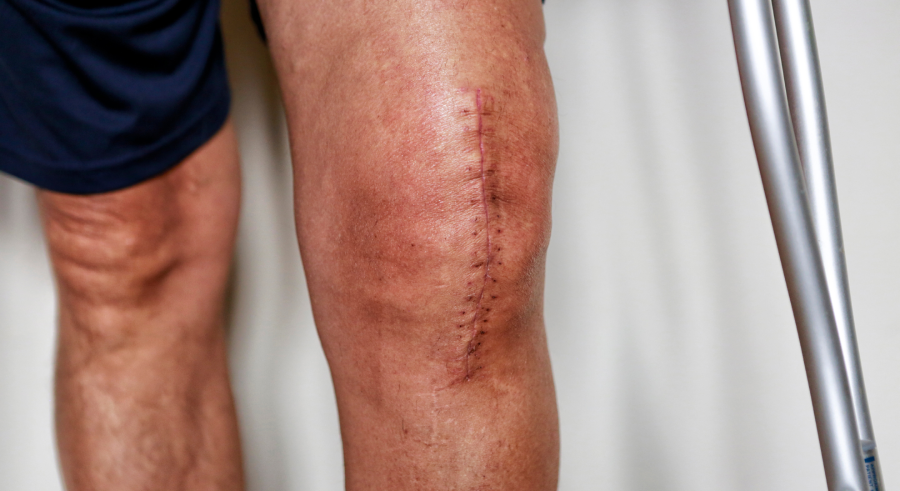

Understanding the difference between trauma vs accident injury brings clarity during stressful situations when the body experiences sudden force, pain, or instability. These terms often overlap in everyday conversations, yet they represent two distinct medical realities. One describes the actual damage inside the body, while the other explains how that damage occurred. Knowing how they differ helps people recognize serious symptoms early, respond correctly, and seek the right orthopedic care before complications develop.
What Trauma Means in Medical Terms
Trauma describes the depth, severity, and nature of tissue damage caused when external force overwhelms the body’s normal tolerance. In orthopedic medicine, trauma conditions are not limited to visible wounds. It includes internal disruptions that may take hours or days to fully appear.
Layers of Trauma in Orthopedic Care
1. Tissue-Level Trauma
Direct or indirect force can damage:
- Bones
- Ligaments
- Tendons
- Muscles
- Joint cartilage
- Soft tissue
A minor fall may cause a small sprain in one person but create deep ligament trauma in another, depending on body condition and impact angle.
2. Energy Transfer Trauma
Doctors analyze how force moves through the body.
A slow, awkward twist can produce significant trauma even without an obvious accident.
3. Systemic Trauma
High-intensity trauma can trigger widespread physiological responses:
- Internal bleeding
- Nerve pathway irritation
- Inflammatory reactions
These may not show immediate symptoms but can severely affect function.
What Accident Injury Means
Accident injury refers to the unexpected event or incident that caused harm. It explains the mechanism of injury rather than the extent of internal damage.
Common accident scenarios include:
- Road collisions
- Slips and falls
- Sports impacts
- Workplace injuries
- Heavy-object hits
- Twisting mishaps
The outward appearance of the accident does not always reflect the severity of internal trauma.
Trauma vs Accident Injury: Key Differences
Understanding trauma vs accident injury becomes easier when the two are viewed side by side.
Clear Distinctions
- Accident injury describes the event
- Trauma describes the damage
- Trauma can exist even in low-impact incidents
- Accident injuries may look intense but cause mild damage
- Trauma affects deeper structures and often requires medical evaluation
Orthopedic specialists often observe that two individuals can experience the same accident yet suffer very different outcomes. Age, muscle strength, bone density, pre-existing conditions, and impact direction influence trauma severity. This is why medical assessment focuses more on internal damage than the dramatic nature of the accident.
Signs That Indicate Trauma
Certain symptoms suggest deeper tissue disruption beyond a basic accident injury.
Immediate Signals
- Intense pain during movement
- Rapid or spreading swelling
- Joint deformity
- Numbness, tingling, or weakness
- Inability to bear weight
- Severe stiffness or locked joints
- Headache, confusion, or visual issues after impact
Delayed Trauma Symptoms
The body often reveals internal trauma slowly:
- Night-time pain or deep bone ache
- Increasing stiffness within 24–48 hours
- Expanding bruises
- Fatigue or heaviness in limbs
- Dizziness after a hit
- Limited range of motion
These signs often indicate hidden ligament tears, muscle trauma, or internal bleeding.
Accident Injuries That May Hide Trauma
Some accidents appear minor initially but create significant internal involvement.
High-risk examples include:
- Slipping on wet floors → spinal or hip trauma
- Road skids → shoulder or knee impact trauma
- Sudden twisting during sports → ligament ruptures
- Falling on an outstretched hand → wrist or elbow trauma
- Missteps in older adults → vertebral compression fractures
Because symptoms are subtle at first, many underestimate the seriousness of internal trauma.
When Trauma Requires Medical Care
Timely evaluation prevents long-term complications.
Professional care is needed if:
- Pain worsens instead of improving
- Swelling increases or spreads
- A popping sound occurred at the time of injury
- The joint feels unstable or loose
- Tingling extends down the arm or leg
- Weight-bearing becomes difficult
- Dizziness or nausea follows a head impact
These red flags strongly indicate deeper trauma.
How Orthopedic Specialists Evaluate Trauma vs Accident Injury
An accurate diagnosis requires more than simply observing the injury.
Step-by-Step Assessment
1. Mechanism Analysis
Doctors review:
- Impact direction
- Body position
- Velocity of force
- Whether twisting or rotation occurred
This helps predict possible internal damage.
2. Physical Tests
- Mobility and flexibility checks
- Strength testing
- Joint stability assessment
- Palpation to identify patterns of tenderness or swelling
3. Diagnostic Imaging
Each tool has its specific use:
- X-ray → fractures, dislocations
- MRI → ligament or cartilage injuries
- CT scan → complex fractures
- Ultrasound → soft tissue damage
4. Functional Assessment
Evaluating walking patterns, joint alignment, and muscle activation helps reveal deeper trauma that might not be immediately visible.
Treatment Options for Trauma
Treatment depends on severity, tissue involvement, and overall health.
Non-Surgical Care
- Immobilization
- Physiotherapy
- Ice or heat therapy
- Pain-relief medication
- Strengthening programs
- Guided mobility exercises
Surgical Care
Recommended for significant internal damage:
- Ligament reconstruction
- Tendon repair
- Arthroscopy
- Fracture fixation
Early treatment improves recovery and reduces long-term complications.
Prevention Insights From an Orthopedic Perspective
Simple habits can reduce trauma risk and help protect joints.
Helpful Prevention Tips
- Strengthen core and leg muscles
- Improve balance and flexibility
- Keep floors dry and clutter-free
- Use proper shoes
- Warm up before exercising
FAQs
1. Are trauma and accident injury the same?
No. Trauma refers to internal damage, while accident injury refers to the event causing it.
2. Can trauma occur without a major accident?
Yes. Even minor twists or low-impact falls can create significant trauma.
3. Why do symptoms appear later?
Inflammation develops gradually, revealing symptoms hours after the event.
4. Do all accident injuries need medical care?
High-impact or mobility-limiting injuries should always be evaluated.
Conclusion
Recognizing the difference between trauma vs accident injury allows people to respond wisely when the body reacts to sudden force or unexpectedly severe pain. Internal trauma is not always visible, and symptoms often evolve over time. When uncertainty arises, advanced orthopedic care becomes essential. Chennai Ortho, a trusted and reputed orthopedic hospital, provides skilled diagnosis, precise evaluation, and comprehensive treatment for both trauma and accident-related injuries, ensuring safe and timely recovery.