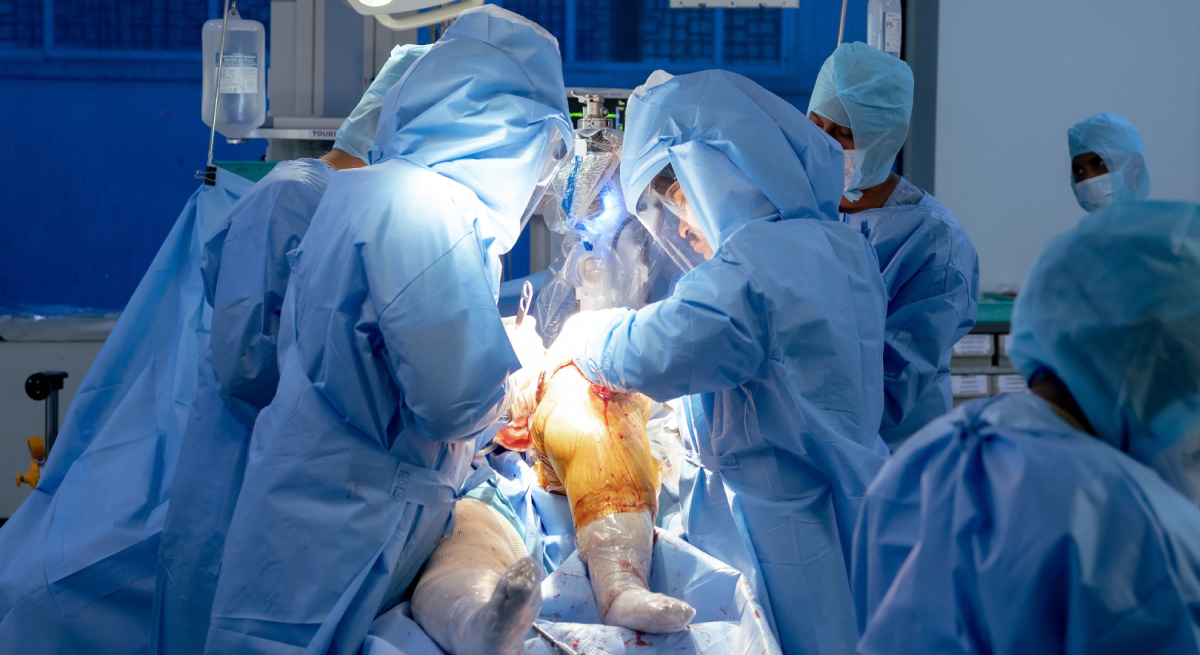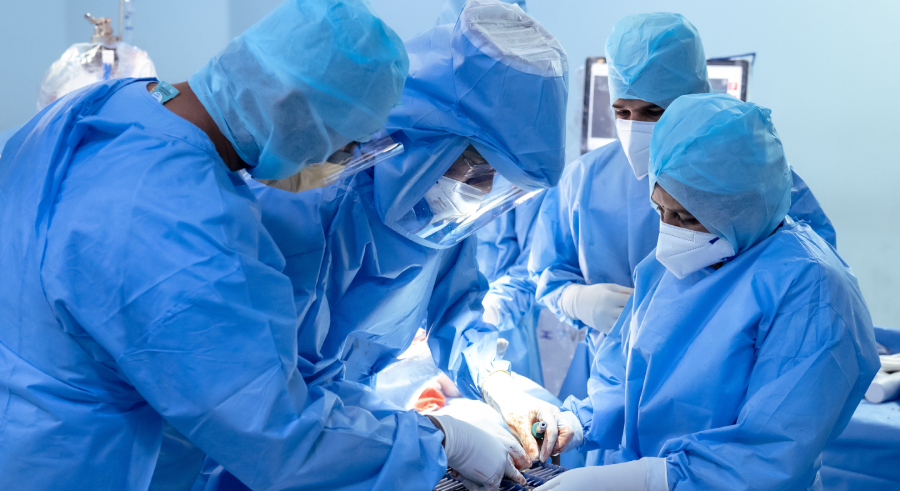
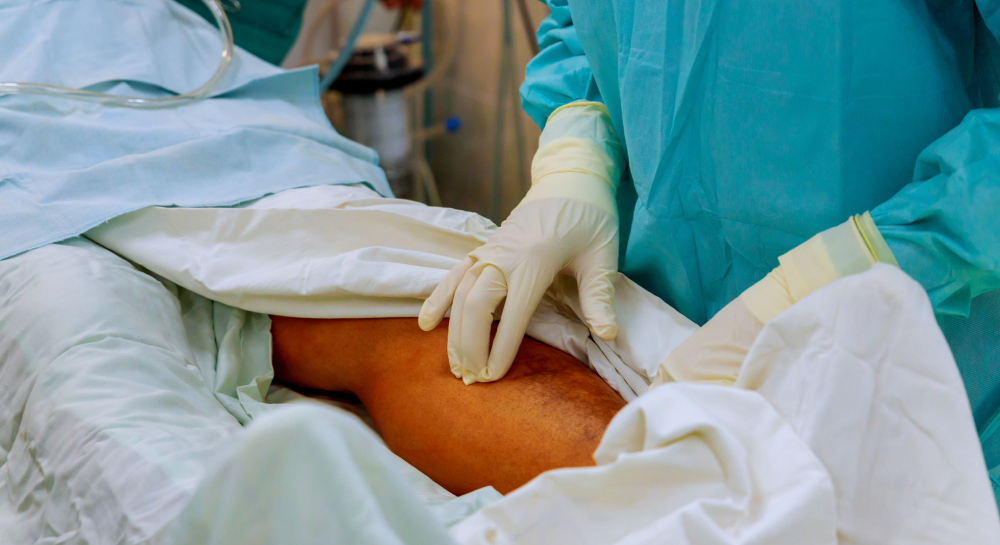
Trauma Surgery plays a critical role in saving lives and restoring function after serious injuries. Whether caused by road accidents, falls, sports injuries, workplace incidents, or other emergencies, traumatic injuries often require immediate medical attention and surgical intervention. Trauma surgeons are specially trained to assess, stabilize, and treat patients with severe injuries affecting bones, joints, muscles, internal organs, and soft tissues.
Understanding what trauma surgery involves can help patients and families feel more prepared during an emergency situation. From preparation and surgical procedures to recovery and possible complications, knowing the process can reduce anxiety and support informed decision-making.
What is Trauma Surgery?
Trauma surgery is a specialized branch of surgery focused on treating injuries caused by sudden physical trauma. These injuries can range from simple fractures to complex, life-threatening conditions involving multiple body systems.
The primary goals of trauma surgery are:
- Stabilizing the patient's condition
- Preventing further damage
- Repairing injured tissues and organs
- Restoring mobility and function
- Reducing long-term complications
When is Trauma Surgery Needed?
Trauma surgery may be necessary when injuries cannot heal properly through non-surgical treatments or when immediate intervention is required.
Common conditions requiring trauma surgery include:
- Complex bone fractures
- Multiple fractures from accidents
- Open fractures
- Joint dislocations with fractures
- Severe soft tissue injuries
- Pelvic fractures
- Crush injuries
- Internal bleeding due to trauma
- Spinal injuries
Prompt treatment often improves outcomes and reduces the risk of permanent disability.
Preparation for Trauma Surgery
Unlike elective procedures, trauma surgery is often performed under emergency circumstances. However, medical teams follow several critical steps to prepare the patient safely.
Initial Assessment
The healthcare team performs a rapid evaluation of:
- Airway and breathing
- Blood circulation
- Neurological status
- Severity of injuries
- Internal bleeding
Diagnostic Testing
Common investigations include:
- X-rays
- CT scans
- MRI scans
- Ultrasound examinations
- Blood tests
These tests help surgeons determine the extent of injury and plan treatment.
Patient Stabilization
Before surgery, doctors may:
- Administer intravenous fluids
- Provide blood transfusions
- Control bleeding
- Manage pain
- Stabilize fractures
- Monitor vital signs
The Trauma Surgery Procedure
The exact procedure depends on the type and location of the injury.
Anesthesia Administration
Patients receive general or regional anesthesia depending on the surgical requirements.
Surgical Repair
The surgeon addresses injuries using various techniques.
Fracture Fixation
Broken bones may be repaired using:
- Plates
- Screws
- Rods
- Pins
- External fixation devices
Soft Tissue Repair
Damaged muscles, tendons, ligaments, and skin may be repaired to restore function.
Internal Organ Treatment
In cases involving chest or abdominal trauma, surgeons repair damaged organs and control internal bleeding.
Wound Management
Open injuries require cleaning and removal of damaged tissue to lower infection risk.
Post-Surgical Monitoring
After surgery, patients are closely monitored for:
- Heart rate
- Blood pressure
- Oxygen levels
- Pain levels
- Signs of infection
- Healing progress
Recovery After Trauma Surgery
Recovery timelines vary depending on the injury and procedure performed.
Early Recovery Phase
During the first few days, patients may experience:
- Pain and swelling
- Limited mobility
- Fatigue
Doctors provide medications and wound care instructions to support healing.
Rehabilitation
Recovery often includes:
- Physical therapy
- Occupational therapy
- Strength training
- Mobility exercises
A structured rehabilitation plan helps patients regain strength and independence.
Risks of Trauma Surgery
Like any surgery, trauma surgery carries certain risks.
Potential risks include:
- Infection
- Excessive bleeding
- Blood clots
- Reactions to anesthesia
- Delayed wound healing
- Nerve injury
- Implant-related complications
Experienced surgical teams take precautions to minimize these risks.
Common Complications Following Trauma Surgery
Although many patients recover successfully, some complications may occur.
Infection
Surgical site infections can develop, especially in open fractures and severe injuries.
Delayed Bone Healing
Some fractures may heal slowly and require additional treatment.
Joint Stiffness
Reduced movement during recovery can lead to stiffness around the affected joint.
Chronic Pain
Certain traumatic injuries may result in ongoing discomfort even after surgery.
Blood Clots
Reduced mobility can increase the risk of deep vein thrombosis (DVT).
Post-Traumatic Arthritis
Joint injuries may increase the likelihood of arthritis later in life.
How to Reduce the Risk of Complications
Patients can support recovery by:
- Attending follow-up appointments
- Taking medications as prescribed
- Following wound care instructions
- Participating in physical therapy
- Maintaining a healthy diet
- Avoiding smoking
Early identification of problems can help prevent serious complications.
Frequently Asked Questions
Is trauma surgery always performed as an emergency?
Not always. Some procedures may be performed after the patient is stabilized.
How long does trauma surgery take?
The duration depends on the severity and complexity of the injury.
Will implants used during fracture repair need removal?
Most implants remain in place permanently, though removal may occasionally be recommended.
How painful is recovery after trauma surgery?
Pain varies depending on the injury and procedure, but medications help manage discomfort.
When can patients return to normal activities?
Recovery timelines differ based on the injury, overall health, and rehabilitation progress.
Conclusion
Trauma surgery is a vital medical intervention for treating serious injuries and restoring function after accidents and emergencies. From assessment and surgical repair to rehabilitation and recovery, every stage contributes to better outcomes. While risks and complications can occur, timely treatment and proper follow-up care significantly improve recovery prospects. The Chennai Ortho team is committed to providing advanced trauma care, personalized treatment plans, and comprehensive rehabilitation support to help patients regain mobility, independence, and quality of life.