_+Procedure%2C+Benefits+and+Recovery.webp)
Knee pain can develop gradually or occur after a sudden injury, but when symptoms such as swelling, locking, or instability persist, they can begin to affect everyday life. In such cases, Arthroscopy Knee Surgery may be recommended to identify and treat the underlying cause. Also known as Knee Arthroscopy, this minimally invasive procedure allows orthopedic specialists to diagnose and manage a wide range of knee conditions with precision while supporting a smoother recovery compared to traditional surgical approaches.
Understanding Arthroscopy Knee Surgery
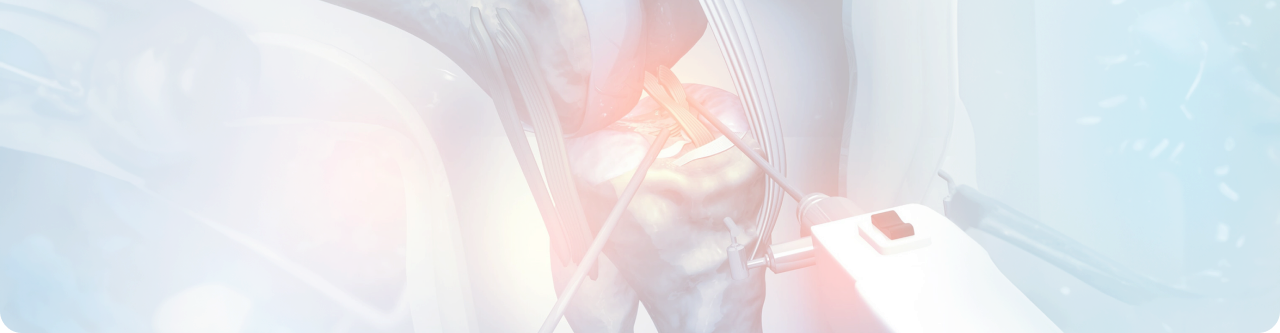
Arthroscopy Knee Surgery is a minimally invasive procedure used to diagnose and treat problems inside the knee joint. Instead of making a large incision, surgeons use a small camera called an arthroscope, which is inserted through tiny openings around the knee.
The camera provides a clear view of structures such as the cartilage, meniscus, ligaments, and joint lining. Using specialized instruments, surgeons can repair or remove damaged tissue while preserving healthy structures. Because Knee Arthroscopy involves smaller incisions, patients often experience less discomfort and a quicker recovery.
When is Arthroscopy Knee Surgery Recommended?
Not every knee condition requires surgery. Orthopedic specialists typically recommend Arthroscopy Knee Surgery when symptoms persist despite medication, physiotherapy, or other non-surgical treatments.
Common conditions treated with Knee Arthroscopy include:
- Meniscus tears
- ACL and PCL injuries
- Cartilage damage
- Loose bone or cartilage fragments
- Recurrent knee locking or catching
- Inflamed joint lining (synovitis)
- Certain kneecap-related conditions
- Persistent knee pain linked to specific structural problems
The objective is to address the exact source of symptoms and improve knee function rather than simply treating pain.
Arthroscopy Knee Surgery Procedure
Many patients are unsure what happens during Arthroscopy Knee Surgery. Understanding the process often helps reduce anxiety and allows patients to prepare with confidence.
Before the Procedure
Preparation usually includes:
- Medical history review
- Physical examination
- X-rays or MRI scans
- Blood tests
- Anesthesia assessment
Patients also receive instructions regarding medications, fasting, and post-operative care.
During the Procedure
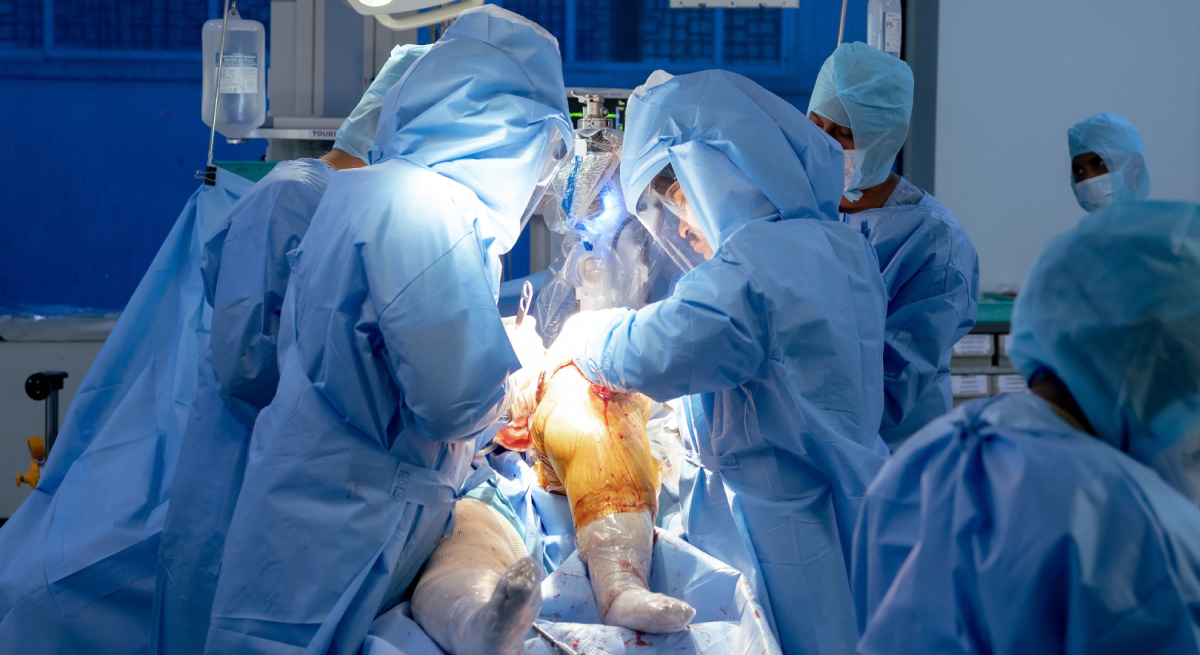
Once anesthesia is administered, small incisions are made around the knee. The arthroscope is inserted into the joint, allowing the surgeon to examine internal structures in detail.
If damage is identified, specialized instruments are used to repair torn tissues, remove loose fragments, or smooth damaged cartilage surfaces. Arthroscopy Knee Surgery generally takes between 50 minutes to 1 hour depending on the condition being treated.
After the Procedure
Most patients return home on the same day. Before discharge, the orthopedic team provides guidance on:
- Pain management
- Wound care
- Activity restrictions
- Physiotherapy exercises
- Follow-up visits
Early movement is often encouraged to reduce stiffness and support recovery.
Benefits of Arthroscopy Knee Surgery
Arthroscopy Knee Surgery continues to be widely preferred because it offers effective treatment while minimizing trauma to surrounding tissues.
Some of the key benefits include:
- Smaller incisions
- Less tissue disruption
- Reduced post-operative discomfort
- Lower risk of complications
- Minimal scarring
- Faster rehabilitation
- Shorter hospital stay
- Earlier return to routine activities
While the smaller scars are often noticeable, the real advantage lies in restoring movement, comfort, and confidence in the knee.
Recovery After Arthroscopy Knee Surgery
Recovery after Arthroscopy Knee Surgery varies depending on the procedure performed, the severity of the condition, and the patient's commitment to rehabilitation.
First Few Weeks
Mild swelling, stiffness, and discomfort are common during the initial recovery phase. These symptoms usually improve with medication, ice therapy, rest, and prescribed exercises.
Many patients can begin walking within a few days, although temporary support such as crutches may be recommended in some cases.
Rehabilitation and Return to Activity
Physiotherapy plays an important role in rebuilding strength, flexibility, and stability. Patients undergoing simple procedures may recover relatively quickly, while ligament repairs or reconstructions often require a more structured rehabilitation program.
A successful recovery from Knee Arthroscopy depends not only on the procedure itself but also on consistent rehabilitation and adherence to medical advice.
Potential Risks and Complications
Like any surgical procedure, Arthroscopy Knee Surgery carries some risks, although serious complications are uncommon.
Potential complications include:
- Infection
- Blood clots
- Persistent swelling
- Joint stiffness
- Bleeding within the joint
- Delayed healing
- Rare nerve or blood vessel injury
Choosing an experienced orthopedic team and following post-operative instructions carefully can significantly reduce these risks.
Tips for a Smooth Recovery
Recovery is often influenced by what happens after surgery. Patients are generally advised to:
- Attend all follow-up appointments
- Follow physiotherapy recommendations consistently
- Avoid strenuous activities too early
- Maintain a balanced diet to support healing
- Stay active within prescribed limits
- Report unusual symptoms promptly
Small, consistent efforts during rehabilitation can make a meaningful difference in long-term outcomes.
Frequently Asked Questions
Is Arthroscopy Knee Surgery painful?
The procedure is performed under anesthesia, so patients do not feel pain during surgery. Some discomfort afterward is expected but is usually manageable with medication and rehabilitation.
How long does Arthroscopy Knee Surgery take?
Most procedures take between 50 minutes to 1 hour, depending on the condition being treated.
When can I walk after Knee Arthroscopy?
Many patients can begin walking within a few days, although recovery timelines vary based on the type of procedure performed.
Is physiotherapy necessary after Arthroscopy Knee Surgery?
Yes. Physiotherapy is an important part of recovery and helps restore strength, flexibility, and overall knee function.
Can athletes return to sports after Knee Arthroscopy?
Many athletes return to sports after completing rehabilitation, although the timeline depends on the injury and treatment performed.
Conclusion
Arthroscopy Knee Surgery has transformed the way many knee conditions are diagnosed and treated. By allowing orthopedic specialists to address problems through a minimally invasive approach, Knee Arthroscopy often helps patients achieve improved mobility, reduced discomfort, and a faster return to daily activities. While every patient's recovery journey is different, successful outcomes are often the result of accurate diagnosis, expert surgical care, and dedicated rehabilitation. The Chennai Ortho team remains committed to providing personalized orthopedic care and helping patients return to an active and confident lifestyle.