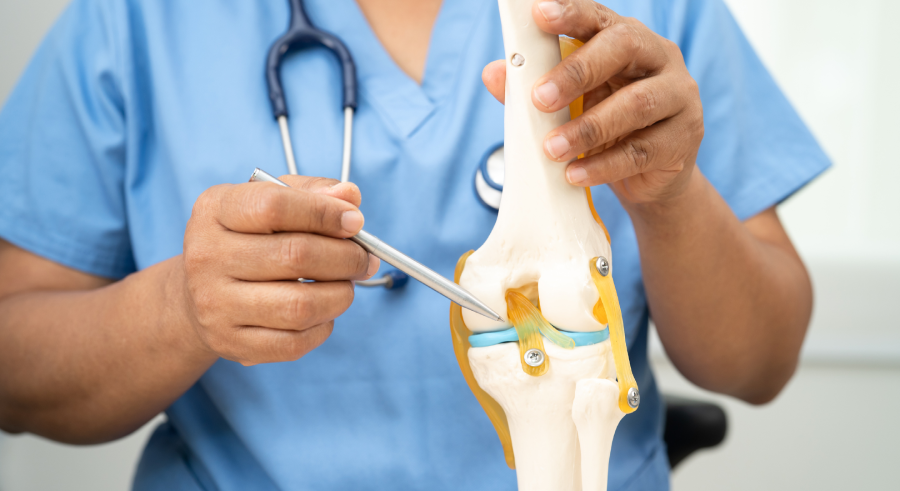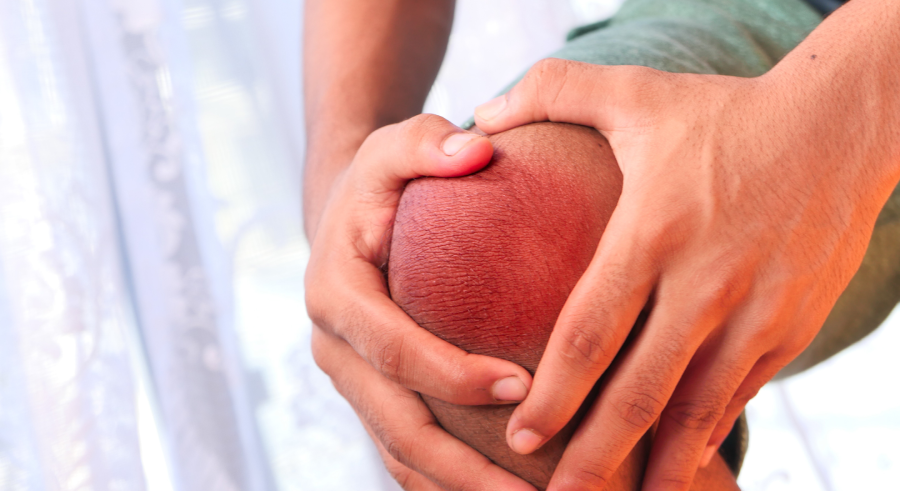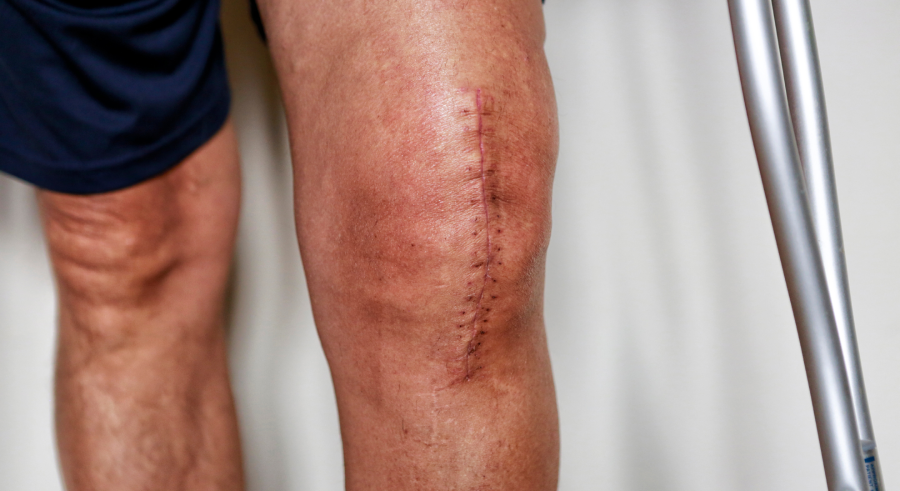
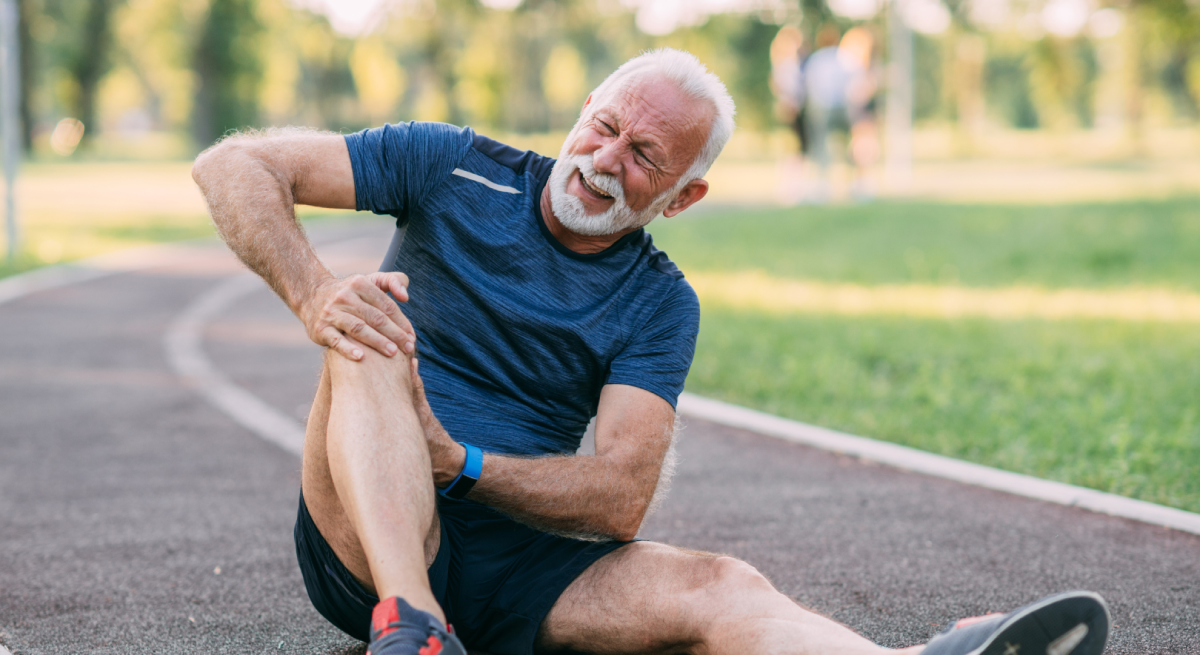
Growing older does not automatically mean living with knee pain. Long-term mobility depends on joint health, muscle support, inflammation, body mechanics, and even untreated injuries from earlier years. When discomfort develops, it is often linked to gradual underlying changes rather than ageing alone. Recognising the true causes of knee pain after 50 matters because early action may help preserve movement, independence, and quality of life.
Orthopaedic specialists often observe that many patients adapt to discomfort for years before seeking help. By then, underlying joint problems may already have progressed. Understanding the major causes of knee pain after 50 can support earlier intervention and better joint health.
Why Knee Pain Becomes More Common After 50
Natural changes occur in cartilage, muscles, ligaments, and bones over time. However, age itself is rarely the only explanation.
Common causes of knee pain after 50 include:
- Cartilage wear
- Reduced muscle strength
- Previous injuries
- Inflammation
- Increased joint pressure from body weight
- Reduced flexibility
1. Osteoarthritis: The Most Common Cause
Among all causes of knee pain after 50, osteoarthritis is one of the leading contributors.
It develops when protective cartilage gradually wears away, increasing friction between bones.
Common signs:
- Stiffness after rest
- Swelling
- Grinding sensations
- Reduced flexibility
- Ongoing discomfort
Early assessment may help slow progression.
2. Muscle Loss Around the Knee
Natural muscle loss after 50 reduces support for the knee joint.
Weak muscles may lead to:
- Joint instability
- Increased strain
- Reduced balance
- Faster fatigue
Muscle strength plays an important role in protecting knee function.
3. Old Injuries Affecting the Knee Years Later
Previous ligament injuries, fractures, or untreated knee trauma can become overlooked causes of knee pain after 50.
Older injuries may increase risk for:
- Cartilage damage
- Reduced stability
- Early arthritis
- Long-term inflammation
Symptoms sometimes appear years after recovery.
4. Excess Body Weight Increasing Joint Stress
Body weight directly affects knee pressure.
Additional weight may accelerate several causes of knee pain after 50, especially cartilage degeneration.
Possible effects include:
- Increased inflammation
- Faster joint wear
- Reduced mobility
- Greater discomfort
Healthy weight management supports long-term joint health.
5. Inflammatory Conditions Affecting Joint Health
Not all causes of knee pain after 50 result from wear and tear.
Conditions such as rheumatoid arthritis may cause:
- Persistent swelling
- Warmth around joints
- Fatigue
- Stiffness
- Pain in multiple joints
Inflammatory disorders require specialised management.
6. Reduced Activity and Sedentary Lifestyle
Long periods of inactivity may weaken muscles supporting the knee.
This becomes one of the underestimated causes of knee pain after 50, contributing to:
- Joint stiffness
- Weakness
- Reduced flexibility
- Loss of stability
Regular movement remains important for healthy joints.
7. Advanced Joint Degeneration
Persistent knee pain may sometimes indicate severe cartilage loss or advanced arthritis.
Warning signs include:
- Constant pain
- Significant stiffness
- Reduced independence
- Difficulty performing routine activities
Advanced treatment options may be considered depending on severity.
Early Signs People Often Ignore
Many severe knee conditions begin with subtle changes:
- Increased stiffness after inactivity
- Reduced flexibility
- Awareness of knee weakness
- Discomfort during routine movement
These symptoms should not always be dismissed as ageing.
Can the Causes of Knee Pain After 50 Be Prevented?
Certain habits may help reduce progression of several causes of knee pain after 50:
- Staying physically active
- Maintaining muscle strength
- Managing body weight
- Seeking early evaluation
- Addressing inflammation promptly
Early care often improves long-term outcomes.
Frequently Asked Questions
What are the common causes of knee pain after 50?
Osteoarthritis, muscle loss, previous injuries, inflammation, excess body weight, and cartilage degeneration are among the most common causes.
Is knee pain after 50 always related to ageing?
No. Many causes of knee pain after 50 involve underlying joint conditions rather than ageing itself.
When should someone see an orthopaedic specialist?
Persistent pain, swelling, stiffness, or mobility limitations should be evaluated.
Does every patient with severe knee arthritis need surgery?
No. Treatment depends on symptoms, severity, and response to non-surgical management.
Protecting Mobility Matters as Much as Managing Pain
Knee pain after 50 is often ignored until it begins affecting everyday life. However, many underlying joint changes develop gradually over time. Understanding the real causes of knee pain after 50 is important not only for managing discomfort but also for preserving mobility and independence.
Persistent pain or stiffness should not always be accepted as part of ageing. Early evaluation may help identify problems sooner and support better long-term joint health.
The Chennai Ortho team, led by Dr Arumugam, focuses on personalised orthopaedic care aimed at improving movement, preserving joint function, and helping patients stay active with confidence.