Advancements in knee replacement surgery are no longer limited to robotic technology alone. Today, improving recovery, reducing post-operative discomfort, and helping patients return to mobility earlier are equally important. One evolving approach attracting attention in orthopaedics is robotic knee replacement without tourniquet, a technique adopted by only a limited number of surgeons due to its technical complexity.
Dr. S. Arumugam has been practising knee replacement surgery without a tourniquet since 2003, long before robotic-assisted joint replacement became widely discussed. His approach combines surgical experience, robotic precision, and recovery-focused techniques aimed at improving patient comfort after surgery.
With 27+ years of experience, over 8000 joint replacements, and 1000+ robotic knee surgeries, Dr. Arumugam continues to contribute to modern orthopaedic care through innovation and academic teaching.
What is a Tourniquet in Knee Replacement Surgery?
A tourniquet is commonly used during knee replacement surgery to temporarily stop blood flow to the leg. Most surgeons use it to create a bloodless surgical field, which can make the procedure technically easier.
However, prolonged use of a tourniquet may sometimes contribute to:
- Thigh pain after surgery
- Increased swelling around the knee
- Muscle stiffness
- Delayed early mobility in some patients
Because of these concerns, Dr Arumugam stopped using tourniquets in knee replacement surgeries as early as 2003. While performing surgery without a tourniquet can be technically more demanding, it may help improve patient comfort and support smoother recovery in suitable cases.
Why Dr. Arumugam stopped using tourniquets in 2003
Long before robotic systems became common in orthopaedic surgery, Dr. Arumugam made the decision to stop using tourniquets during knee replacement procedures.
The reason was practical rather than experimental reducing factors that could affect patient comfort after surgery.
Performing robotic knee replacement without tourniquet requires:
- Greater surgical experience
- Better bleeding control techniques
- Strong understanding of knee anatomy
- Precise tissue handling
- Efficient surgical execution
Because of these demands, this approach is less commonly adopted.
Over the years, Dr. Arumugam has continued refining his methods with a focus on recovery, mobility, and surgical precision.
A live demonstration that attracted national attention
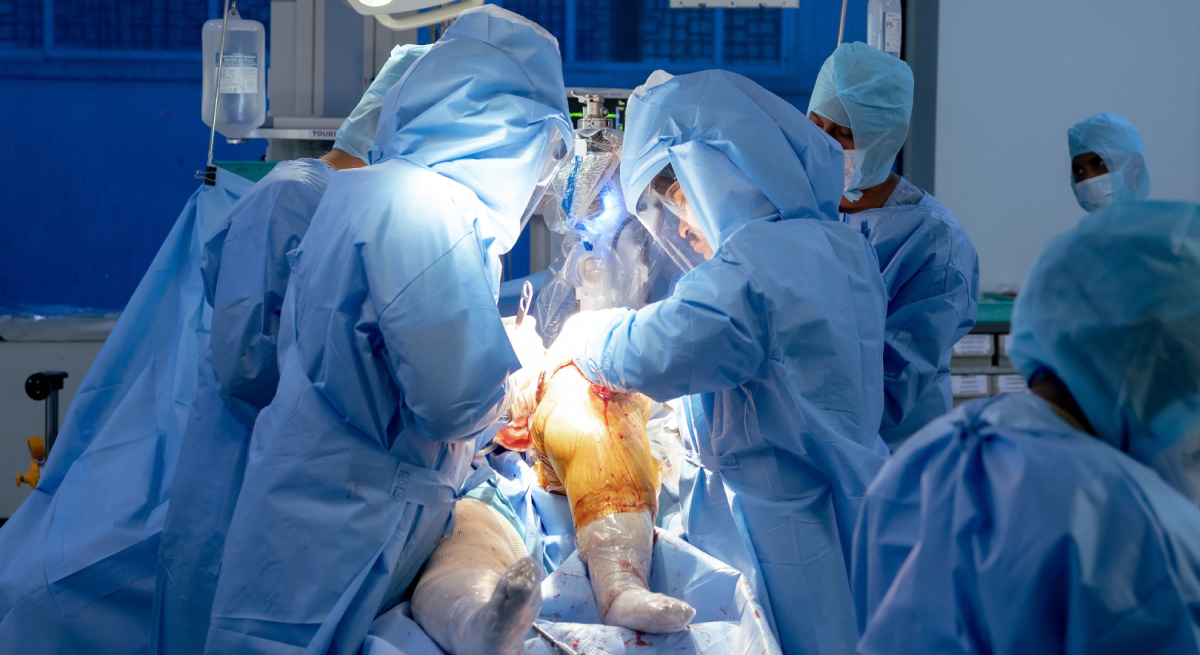
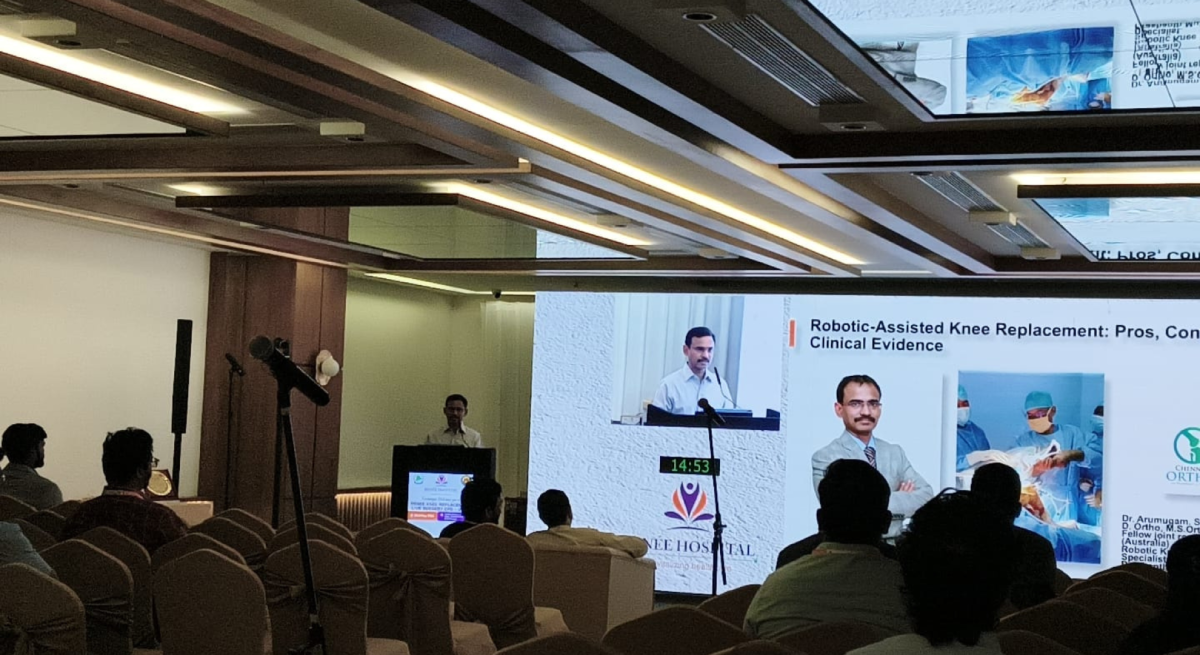
Recently, Dr. Arumugam was invited to conduct an academic robotic knee replacement program at a hospital near Hyderabad under the leadership of Dr. Bangari Sami at Renee Hospital.
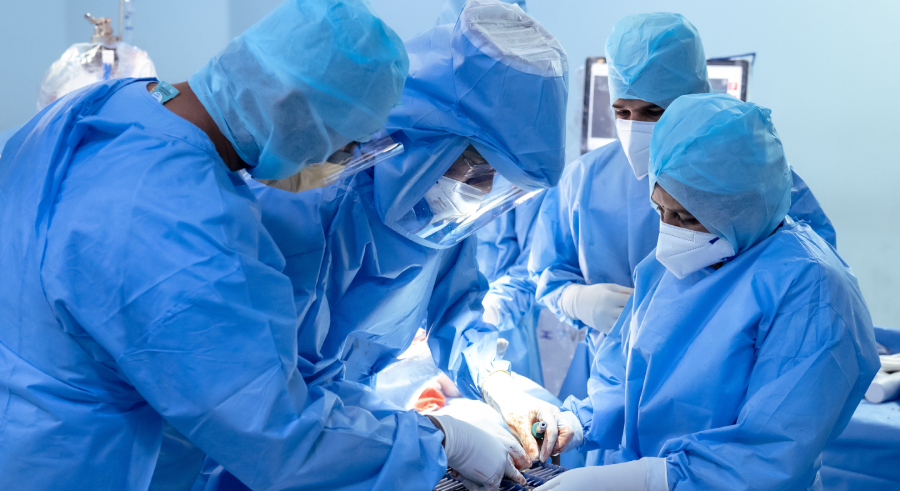
During the session, he performed the hospital’s first robotic total knee replacement using the VELYS Robotic-Assisted Solution.
What made the procedure notable was that the surgery was completed using a robotic knee replacement without a tourniquet approach.
The live surgery was observed by more than 300 delegates, including:
- Orthopaedic surgeons
- Joint replacement specialists
- Young medical professionals
- Surgeons interested in robotic technology
The demonstration generated discussions around recovery-focused surgical methods and the role of robotics in improving precision during knee replacement procedures.
Preserving natural knee movement with cruciate retaining technique
Another important aspect of the surgery was the use of a cruciate retaining (CR) approach.
This technique preserves the posterior cruciate ligament in selected patients, which may help maintain more natural knee movement after surgery.
Combining:
- Robotic assistance
- Ligament preservation
- Precision implant positioning
- Tourniquet-free surgery
reflects a treatment philosophy focused on functional recovery rather than only completing the procedure.
Why surgeons showed interest in robotic knee replacement without tourniquet
During discussions after the live surgery, many attending surgeons expressed interest in learning more about the tourniquet-free method.
Their interest was largely centred around patient recovery considerations such as:
- Earlier mobility support
- Improved comfort after surgery
- Reduced stiffness in some cases
- Recovery-focused protocols
As orthopaedic surgery evolves, more specialists are exploring techniques that balance technology with patient outcomes.
Contributing beyond surgery through education
Apart from performing surgery, Dr. Arumugam regularly participates in academic programs and surgeon training initiatives.
Topics discussed during the Hyderabad session included:
- Advances in robotic knee replacement
- Implant alignment and precision
- Recovery-focused surgical protocols
- Soft tissue preservation techniques
- Robotic knee replacement without tourniquet methods
These programs help younger surgeons understand how modern knee replacement continues to evolve.
Frequently Asked Questions
What is robotic knee replacement without a tourniquet?
It is a surgical approach where robotic-assisted knee replacement is performed without temporarily stopping blood flow using a tourniquet.
Why does Dr. Arumugam prefer this approach?
Dr. Arumugam adopted this method to support patient comfort and smoother early recovery where clinically suitable.
Is robotic knee replacement without a tourniquet safe?
When performed by experienced surgeons, the approach can be safely integrated into knee replacement procedures depending on patient condition and surgical planning.
Does robotic surgery improve precision?
Yes. Robotic systems help improve implant positioning, alignment, and surgical planning.
Since when has Dr. Arumugam used tourniquet-free knee replacement techniques?
Dr. Arumugam stopped using tourniquets in knee replacement surgeries in 2003 and has continued refining this recovery-focused approach over the years.
Advancing recovery-focused knee replacement surgery
Modern orthopaedic care is increasingly focused on helping patients recover comfortably while maintaining surgical precision. Robotic knee replacement without tourniquet represents one such evolving approach that combines technology with patient-centered care.
Through surgical expertise, robotic innovation, and ongoing academic mentorship, Dr. S. Arumugam continues to contribute to the advancement of knee replacement surgery. Supported by the experienced team at Chennai Ortho, he remains committed to improving mobility, recovery, and outcomes for patients undergoing advanced joint replacement procedures.