
Knee pain can make everyday activities like walking, climbing stairs, or standing for long periods difficult. When medications, physiotherapy, and lifestyle changes no longer provide relief, many patients begin exploring robotic knee replacement surgery as a modern treatment option.
In recent years, robotic-assisted orthopedic procedures have become increasingly popular because they offer greater surgical precision and improved outcomes compared to traditional techniques. Patients today also prefer treatment approaches that help them recover faster and return to daily life with better mobility.
This is one of the reasons why many individuals seeking robotic knee replacement surgery look for orthopedic teams that combine advanced technology with surgical expertise.
What is Robotic Knee Replacement Surgery?
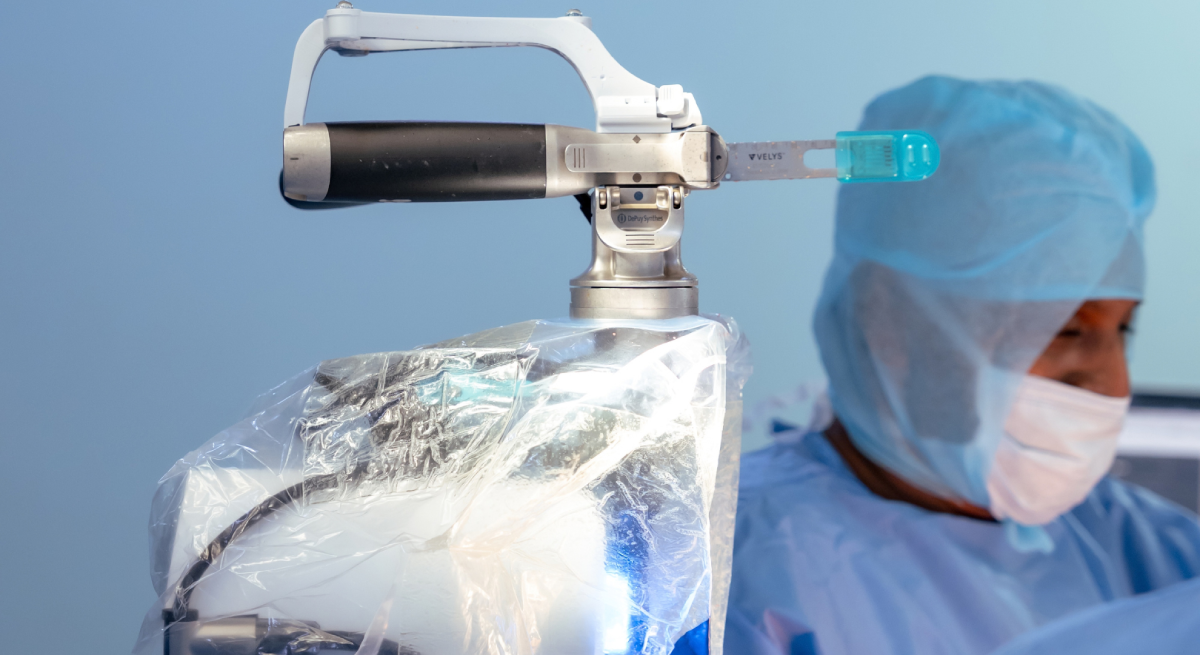
Robotic knee replacement surgery is an advanced orthopedic procedure that uses robotic technology to assist surgeons in performing knee replacement with high precision. The robotic system provides detailed digital mapping of the knee joint and helps surgeons plan the procedure before surgery begins.
During the operation, the robotic system guides the surgeon to make accurate bone cuts and place the artificial implant precisely. The surgeon remains in full control while using the robotic system as an advanced surgical tool.
Key features of robotic knee replacement surgery include:
- Detailed pre-surgical planning using advanced imaging and mapping
- Higher precision during implant placement for optimal fit
- Minimal damage to surrounding tissues, resulting in less blood loss
- Improved balance and personalized alignment of the knee joint
- Faster recovery and quicker return to daily activities
- Long-lasting knee implants with better durability
Because of these advantages, robotic-assisted knee replacement is becoming a preferred option for patients seeking safer surgery, greater precision, and improved long-term outcomes.
Why Precision Matters in Knee Replacement?
The success of knee replacement surgery largely depends on how accurately the implant is positioned. Even small alignment errors can affect joint movement and comfort.
Robotic technology helps surgeons analyze the knee anatomy in detail and follow a carefully planned surgical pathway. This precision can help achieve better joint alignment and improved function after surgery.
Accurate implant positioning may help support:
- Better joint stability
- Natural knee movement
- Reduced stress on the implant
- Improved long-term results
For many patients, these benefits make robotic-assisted surgery an appealing treatment option.
Benefits of Robotic Knee Replacement Surgery
Patients often choose robotic-assisted procedures because they provide several advantages over conventional knee replacement techniques.
Personalized Surgical Planning
Robotic systems allow surgeons to create a customized surgical plan based on the patient’s knee structure. This helps ensure the implant fits properly and supports natural movement.
Smaller Surgical Incisions
Robotic-assisted techniques can allow more controlled surgical movements, which may reduce tissue disruption during the procedure.
Faster Rehabilitation
Many patients experience smoother recovery after robotic knee replacement surgery, as accurate implant positioning may help improve early mobility and rehabilitation progress.
Improved Implant Alignment
The robotic system provides real-time guidance to help surgeons place the implant more precisely. Proper alignment helps support long-term joint function.
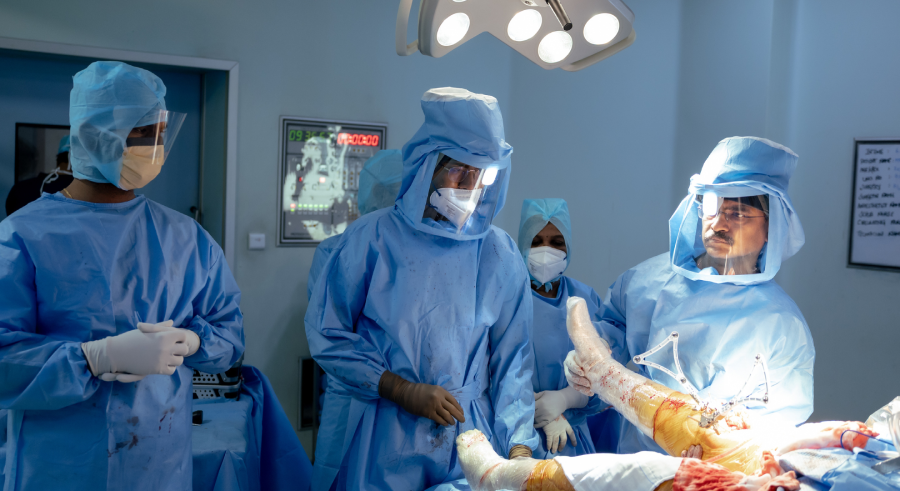
No Need to Remove Previous Implants
If a patient has rods, nails, or metal frames from a previous surgery, robotic knee replacement often allows accurate implant placement without removing existing hardware. In conventional surgery, these implants usually need removal, increasing surgical time, blood loss, and recovery.
Who May Need Robotic Knee Replacement Surgery?
Robotic knee replacement surgery is often recommended for patients who experience severe knee pain due to joint damage.
Common conditions that may lead to knee replacement include:
- Osteoarthritis
- Rheumatoid arthritis
- Post-traumatic arthritis
- Severe knee joint degeneration
Patients who have persistent knee pain, stiffness, swelling, or difficulty walking despite non-surgical treatments may benefit from robotic-assisted knee replacement. Doctors usually recommend surgery only after conservative treatments such as medications, physiotherapy, and lifestyle adjustments fail to provide lasting relief. A detailed medical evaluation, including imaging and physical assessment, helps determine whether robotic knee replacement is the right treatment option.
Recovery After Robotic Knee Replacement Surgery
Recovery plays a key role in the success of robotic knee replacement surgery. Most patients begin gentle movement soon after the procedure under the guidance of healthcare professionals. Early physiotherapy helps improve flexibility and strengthens the muscles supporting the knee.
Over the following weeks, patients gradually regain mobility and confidence in walking. Regular follow-ups and a structured rehabilitation plan help ensure the knee joint heals properly and functions smoothly. Many patients are able to return to daily activities with improved comfort and mobility.
Frequently Asked Questions
Is robotic knee replacement surgery safe?
Yes, robotic knee replacement surgery is considered safe when performed by trained orthopedic surgeons. The robotic system assists the surgeon in improving surgical precision.
Is robotic knee replacement better than traditional surgery?
Robotic-assisted surgery can offer improved accuracy and personalized planning compared to conventional methods. However, outcomes also depend on surgical expertise and patient health.
How long does robotic knee replacement surgery take?
The procedure typically takes around 30 to 45 minutes in experienced hands like Dr. S. Arumugam, depending on the patient’s knee condition and complexity of the case.
How long does recovery take after robotic knee replacement surgery?
Most patients begin walking with assistance the very next day after surgery. Many are also able to climb stairs before discharge, depending on their recovery progress. Full recovery may take a few weeks, guided by proper rehabilitation and physiotherapy.
Conclusion
Advancements in orthopedic technology have improved the way knee replacement surgeries are performed. With greater surgical precision and personalized treatment planning, robotic knee replacement surgery offers an effective solution for patients suffering from chronic knee pain.
By combining modern surgical technology with experienced orthopedic specialists, Chennai Ortho continues to support patients seeking advanced treatment options that help restore mobility, improve joint function, and enhance overall quality of life.