A dull ache around the kneecap can become noticeable during exercise, while bending the knee or even after sitting for a long time. These symptoms are often associated with patellofemoral pain syndrome, which affects the area where the kneecap meets the thigh bone. Although frequently associated with runners and athletes, it can also develop in people with less active routines. Understanding the factors behind this condition can help individuals recognise symptoms early and seek appropriate treatment.
What Is Patellofemoral Pain Syndrome?
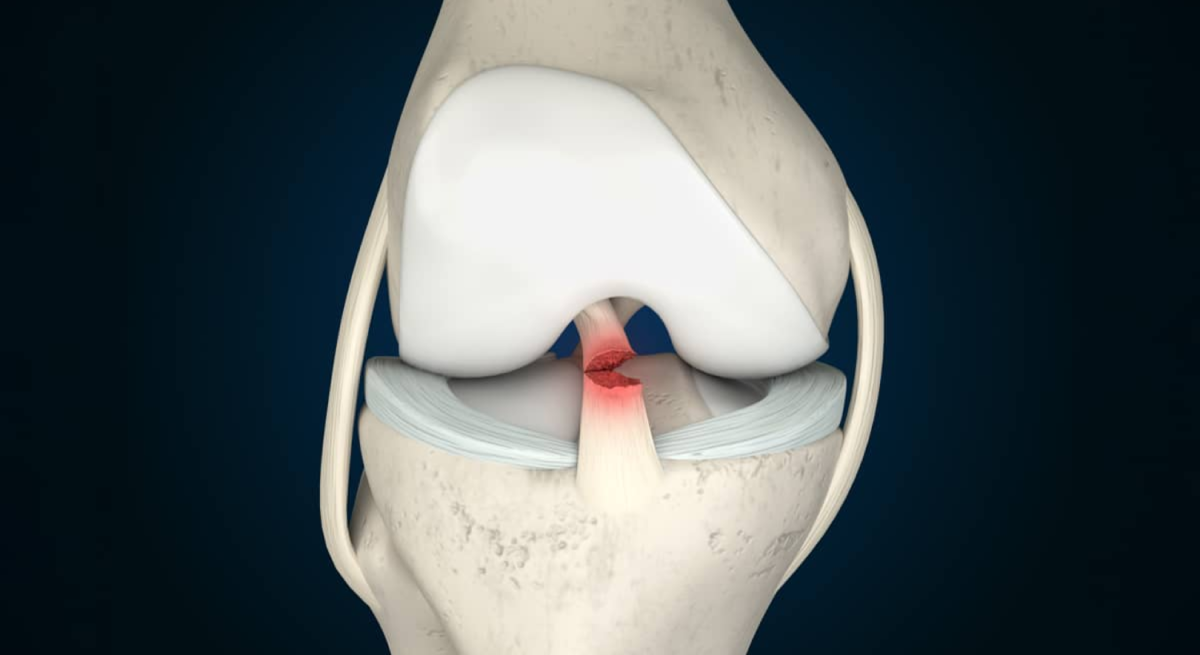
Patellofemoral pain syndrome refers to pain around or behind the kneecap (patella), where it meets the thigh bone (femur). This area is known as the patellofemoral joint.
The kneecap moves along a groove in the thigh bone whenever the knee bends and straightens. When the surrounding muscles, tissues or joint mechanics do not work together properly, additional stress may develop around this joint, resulting in discomfort.
It is sometimes called runner's knee because it is common among runners. However, it can affect people who do not participate in sports as well.
What Causes Patellofemoral Pain Syndrome?
There is rarely one single cause. In many cases, patellofemoral pain syndrome develops due to a combination of muscle weakness, changes in physical activity and increased pressure on the kneecap.
Common contributing factors include:
- Muscle weakness: Weakness in the quadriceps, hip and gluteal muscles can affect how the kneecap moves.
- Sudden increase in activity: Increasing running distance, exercise intensity or training frequency too quickly can overload the knee joint.
- Poor movement mechanics: Changes in lower-limb alignment or movement patterns may increase stress around the kneecap.
- Prolonged sitting: Keeping the knees bent for extended periods can increase discomfort in some individuals.
- Repetitive knee movements: Frequent squatting, jumping, running and stair use may aggravate symptoms. Everyday activities such as sitting cross-legged on the floor, using Indian-style toilets and climbing stairs also involve considerable knee bending and may aggravate discomfort.
Common Symptoms to Watch For
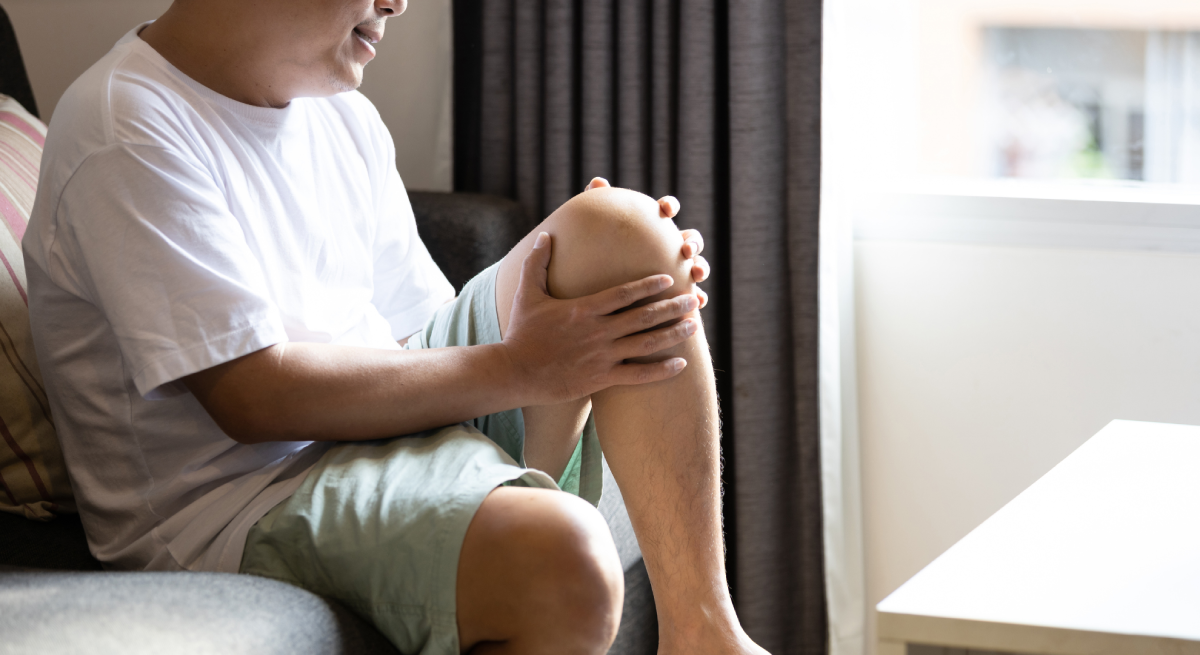
The most noticeable symptom is a dull ache around or behind the kneecap. The discomfort may begin gradually and become more noticeable during activities that involve repeated knee bending.
Other symptoms include:
- Pain during squatting, running or jumping.
- Discomfort when using stairs, particularly while going downstairs.
- Knee pain after sitting for a long time with bent knees (often called the 'theatre sign' or 'movie-goer's knee').
- A grinding or clicking sensation during knee movement.
- Discomfort during or after physical exercise.
The intensity of symptoms can vary. Some people experience discomfort only during exercise, while others notice it during routine daily activities.
How Is Patellofemoral Pain Syndrome Diagnosed?
An orthopedic specialist generally begins with a detailed assessment of the symptoms, activity levels and medical history.
The physical examination may include:
- Checking the location and intensity of knee pain.
- Assessing kneecap movement and lower-limb alignment.
- Evaluating quadriceps and hip muscle strength.
- Observing knee movement during squatting or similar activities.
X-rays may be recommended to examine bone alignment and identify other joint conditions. An MRI may be considered when symptoms suggest cartilage damage or another underlying problem.
The purpose of these assessments is to distinguish patellofemoral pain syndrome from conditions such as knee arthritis, meniscus injuries and patellar tendinitis.
Treatment Options for Patellofemoral Pain Syndrome
Treatment usually begins with non-surgical approaches. The choice depends on symptom severity, contributing factors and the individual's activity requirements.
1. Physiotherapy and strengthening
Physiotherapy plays an important role in recovery. Exercises that strengthen the quadriceps, hip and gluteal muscles can help improve knee control and movement patterns.
2. Activity modification
Temporarily reducing activities that aggravate the knee can help manage discomfort. High-impact exercises may be replaced with suitable low-impact activities under professional guidance.
3. Pain management
A doctor may recommend appropriate medication to manage discomfort when necessary. Ice application after physical activity may also help reduce temporary soreness.
4. Supportive measures
In selected cases, taping, footwear adjustments or knee support may be considered as part of the treatment plan.
Most cases can be managed with non-surgical treatments such as physiotherapy, targeted exercises and activity modification. Surgery is generally considered only when a specific structural problem is identified and non-surgical treatment has not provided sufficient relief.
Can Patellofemoral Pain Syndrome Be Prevented?
Although it may not always be preventable, certain measures can reduce unnecessary stress on the knee:
- Increase exercise intensity and duration gradually.
- Include regular quadriceps and hip-strengthening exercises.
- Warm up before physical activity.
- Maintain appropriate exercise techniques.
- Allow adequate recovery between demanding workouts.
- Avoid continuing activities that repeatedly trigger knee pain.
Frequently Asked Questions
1. Is patellofemoral pain syndrome a serious condition?
It is generally manageable with appropriate treatment. However, ignoring symptoms and repeatedly overloading the knee may prolong discomfort and affect daily activities.
2. How long does patellofemoral pain syndrome take to heal?
Recovery varies depending on symptom severity, contributing factors and treatment consistency. Some individuals improve within a few weeks, while others may require several months of rehabilitation.
3. Can patellofemoral pain syndrome occur without exercise?
Even people with limited physical activity can develop this condition due to muscle weakness, prolonged sitting or changes in knee movement.
4. Does patellofemoral pain syndrome cause permanent knee damage?
The condition does not necessarily cause permanent damage. However, persistent or worsening symptoms should be assessed to rule out other knee problems.
5. Can I continue exercising with patellofemoral pain syndrome?
In many cases, suitable physical activity can continue with modifications. The type and intensity of exercise should be discussed with a healthcare professional.
Conclusion
Patellofemoral pain syndrome is a common cause of discomfort around the kneecap and can affect people across different age groups and activity levels. Identifying the underlying cause is important because treatment should address the factors contributing to the discomfort rather than focusing only on the symptoms.
Dr Arumugam and team emphasise careful clinical assessment and an appropriate treatment approach for knee conditions. If you experience discomfort around the kneecap that continues or interferes with daily activities, consulting an orthopedic specialist at Chennai Ortho can help pinpoint the exact cause and get you started on a targeted recovery plan.