Returning to everyday activities is an important part of recovering from knee replacement surgery. For many patients, driving means regaining independence and managing daily responsibilities. However, driving after knee replacement requires more than walking comfortably. The knee must have enough strength, movement and control to operate the pedals safely.
Most patients can consider driving around six to eight weeks after surgery, depending on their age, recovery progress and type of vehicle.
When Can You Start Driving After Knee Replacement?
Most patients can consider driving after knee replacement around six to eight weeks after surgery. However, the timeline depends on knee strength and overall recovery.
According to Dr. S. Arumugam, Senior Orthopedic Surgeon at Chennai Ortho, patients are generally advised to wait one and a half to two months before driving. Since many knee replacement patients are above 60, sufficient recovery time is important to regain control over knee movements.
Modern automatic and gearless vehicles make driving more comfortable because they require fewer leg movements than manual cars. Dr. S. Arumugam observes that many patients find it easier to resume driving an automatic vehicle after approximately six weeks, provided their recovery is progressing well.
The final decision depends on knee flexibility, pedal control and braking response.
Does the Operated Knee Affect Driving Recovery?
The operated knee plays an important role in determining the recovery timeline for driving after knee replacement, particularly when operating the brake or clutch.
Driving After Right Knee Replacement
In most automatic cars, the right leg controls the accelerator and brake. Patients must regain enough strength and coordination to move between the pedals without hesitation.
Sudden braking is particularly important, as discomfort or weakness can affect reaction time.
Driving After Left Knee Replacement
Patients with left knee replacement may return to driving earlier when using an automatic vehicle because the left leg is not normally involved in pedal operation.
However, manual cars require the left leg to operate the clutch, demanding adequate knee strength and flexibility.
Surgeon approval remains necessary in both situations.
What Determines Readiness for Driving After Knee Replacement?
Recovery time alone cannot establish driving readiness. Several physical abilities must be assessed.
1. Knee Movement and Flexibility
The knee should bend comfortably enough to enter the vehicle, sit properly and operate the pedals.
2. Muscle Strength
Weakness around the knee can affect pedal control. Physiotherapy helps rebuild the required strength.
3. Braking Response
Patients must be able to move their foot and apply sufficient braking pressure during an emergency.
4. Pain and Swelling
Significant discomfort or swelling may restrict knee movement and make prolonged sitting difficult.
5. Medication Effects
Patients taking opioid painkillers or medicines causing drowsiness should avoid driving, as these can affect alertness and reaction time.
Safety Tips Before Returning to Driving
Once the surgeon confirms driving readiness, patients should follow these precautions:
- Start with short journeys: Choose familiar roads with light traffic.
- Adjust the seat: Maintain enough space for comfortable knee movement.
- Avoid long drives initially: Extended sitting may increase stiffness.
- Practise pedal movements: While safely parked with the engine off, check whether the operated leg moves comfortably between pedals.
- Continue physiotherapy: Follow exercises to improve strength and flexibility.
- Take regular breaks: During longer journeys, stop periodically to move and stretch.
Patients should also check applicable driving and insurance requirements. Preparing for driving after knee replacement also involves checking whether the patient can sit comfortably, control the pedals and respond quickly to changing road conditions.
When Should Driving Be Delayed?
Certain symptoms indicate that further recovery or assessment is necessary.
Driving should be postponed if patients experience:
- Difficulty moving the foot between pedals.
- Significant knee stiffness while sitting.
- Pain when pressing the brake or clutch.
- Weakness affecting leg control.
- Dizziness or drowsiness from medication.
- Increasing swelling that restricts movement.
New calf pain or swelling requires prompt medical assessment because it may indicate a blood clot. Sudden chest pain or breathlessness requires emergency care.
How Does Physiotherapy Support Driving Recovery?
Physiotherapy helps restore knee movement, muscle strength and balance. Regular rehabilitation helps patients develop the strength and coordination required for driving after knee replacement, especially when performing sudden braking movements.
Rehabilitation exercises strengthen the thigh muscles and improve flexibility, making it easier to enter a vehicle and operate pedals.
However, walking independently does not necessarily mean a patient is ready to drive. Emergency braking requires faster movements and greater control than normal walking.
Frequently Asked Questions
1. Can I drive two weeks after knee replacement?
Driving two weeks after surgery is generally not recommended. Dr. S. Arumugam advises waiting approximately six to eight weeks before considering driving.
2. Is driving after knee replacement different for automatic cars?
Yes. Automatic cars do not require a clutch, making them easier to operate. Patients recovering from left knee replacement may find driving more comfortable after medical clearance.
3. Can I drive six weeks after knee replacement?
Some patients may drive an automatic vehicle after six weeks. Dr. S. Arumugam generally recommends waiting six to eight weeks, particularly for patients above 60, depending on recovery.
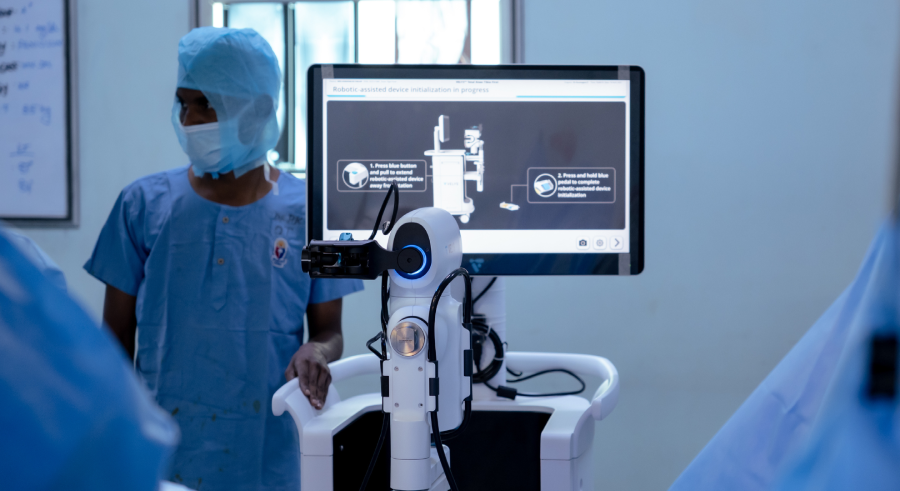
4. Does robotic knee replacement allow patients to drive sooner?
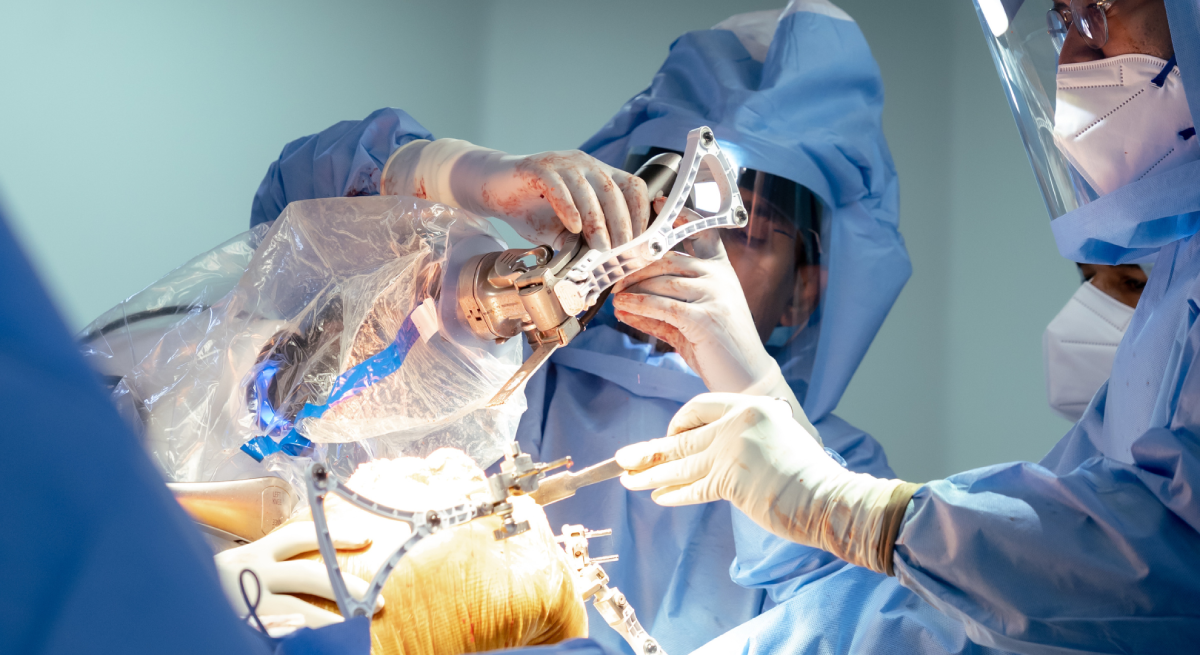
Robotic-assisted surgery supports accurate implant positioning but does not guarantee earlier driving. Readiness depends on rehabilitation progress and physical recovery.
5. Can I travel long distances after knee replacement?
Long-distance travel may be possible once recovery progresses well. Patients should consult their surgeon, as prolonged sitting can increase stiffness and blood clot concerns.
Conclusion
Driving after knee replacement depends on physical readiness rather than recovery time alone. Adequate knee movement, muscle strength and braking control are essential for returning safely.
With over 27 years of orthopedic experience and more than 1,000 robotic knee replacement surgeries completed, Dr. S. Arumugam provides personalised recovery guidance. Patients can consult Dr. S. Arumugam and the Chennai Ortho team to assess driving readiness and return safely to everyday activities.