Returning to sports after an ACL injury is possible with the right diagnosis, treatment and rehabilitation plan. Whether a patient needs surgery or can recover through physiotherapy depends on the extent of the ligament injury, knee stability and the level of physical activity they wish to resume.
For active individuals, particularly those involved in sports, ACL reconstruction can help restore knee stability and support a return to demanding movements. Dr. S. Arumugam, Founder of Chennai Ortho and senior orthopedic surgeon, explains how the choice of treatment is guided by the patient's injury and sporting goals.
Why Does an ACL Tear Affect Movement?
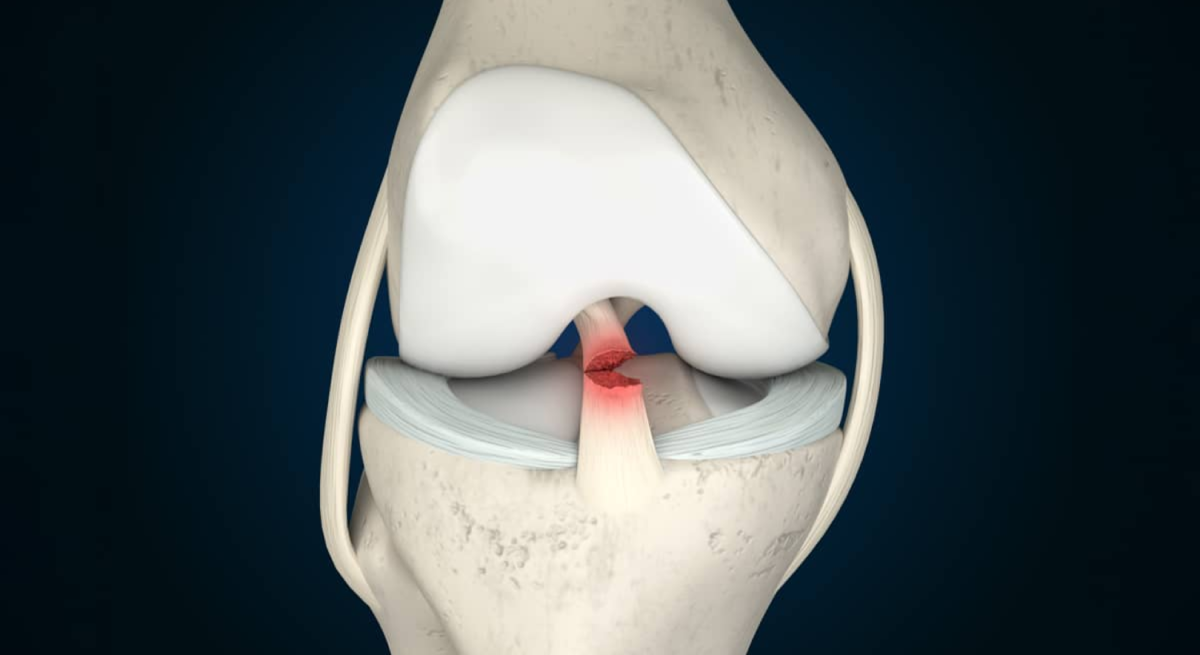
The ACL helps control movement between the thigh bone and shin bone, especially when the knee turns or changes direction during sports.
Tears can occur after an awkward landing, a planted-foot turn or a twisting movement. Pain and swelling may follow; later, some people notice the knee shifting or giving way.
An MRI shows the injury, while examination establishes how the knee functions. Both inform ACL tear treatment.
ACL Tear Treatment: When Is ACL Reconstruction Recommended?
Reconstruction may be considered when a complete tear affects knee stability, particularly for someone returning to contact sports, pivoting, jumping or rapid changes of direction.
A surgeon may discuss reconstruction when:
- The knee repeatedly gives way during activity.
- The patient wants to return to sports that demand strong knee control.
- Examination confirms instability that affects function.
- Other injuries, such as meniscus damage, also need attention.
A complete tear does not automatically require surgery. Age, activity goals, associated injuries and knee function all matter. For an active person with poor knee control during sport, reconstruction may help restore the stability required.
When Can Rehabilitation Be Enough?
Some people can manage without reconstruction, including selected partial tears, stable knees or patients whose activities involve little pivoting.
Guided exercises build strength, balance and control. If the knee remains stable and the patient manages their chosen activities, surgery may not be necessary.
Rehabilitation strengthens the muscles around the knee but does not reconnect a completely torn ACL. If giving-way episodes continue, the plan should be reviewed. ACL tear treatment should reflect function as well as scan findings.
How Is ACL Reconstruction Performed?
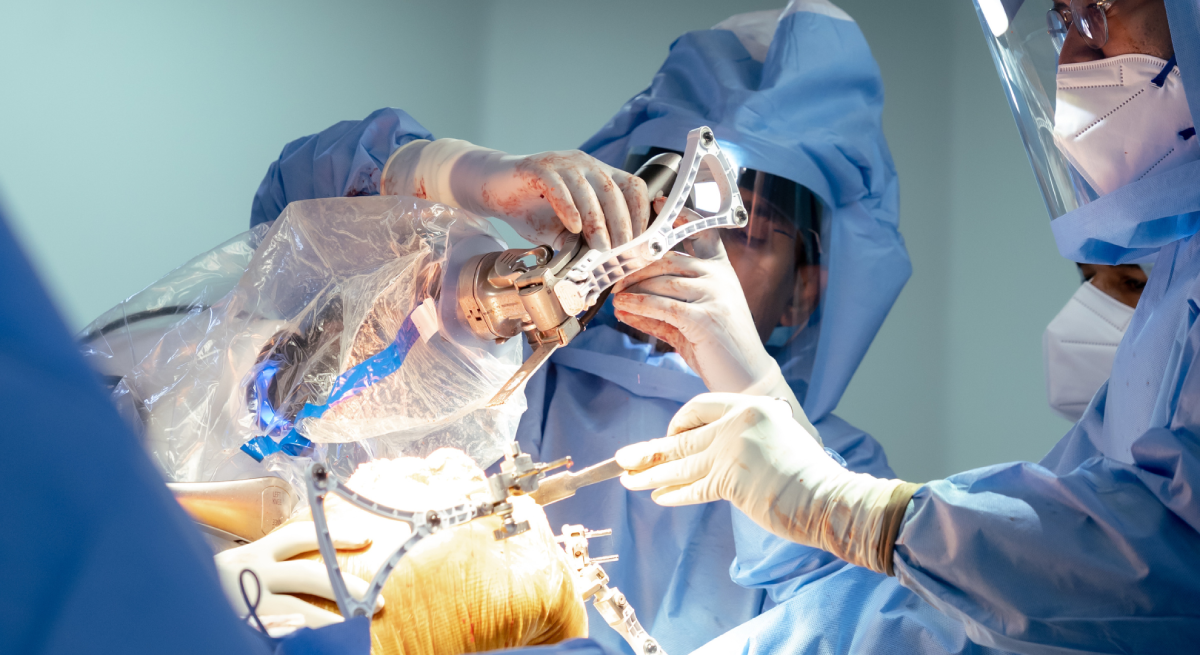
When surgery is selected, ACL tear treatment involves replacing the torn ligament with a tendon graft. Dr. S. Arumugam describes two options used for this procedure: a hamstring graft and a bone-tendon-bone (BTB) graft.
Hamstring graft: A tendon is taken from the hamstring area, prepared and positioned inside the knee to act as the replacement ligament.
Bone-tendon-bone graft: This uses the central part of the patellar tendon, with a small bone piece at each end. The bone plugs are secured in prepared tunnels in the thigh bone and shin bone.
Both are established options. Selection considers anatomy, sporting demands and clinical findings.
What Does Recovery Involve?
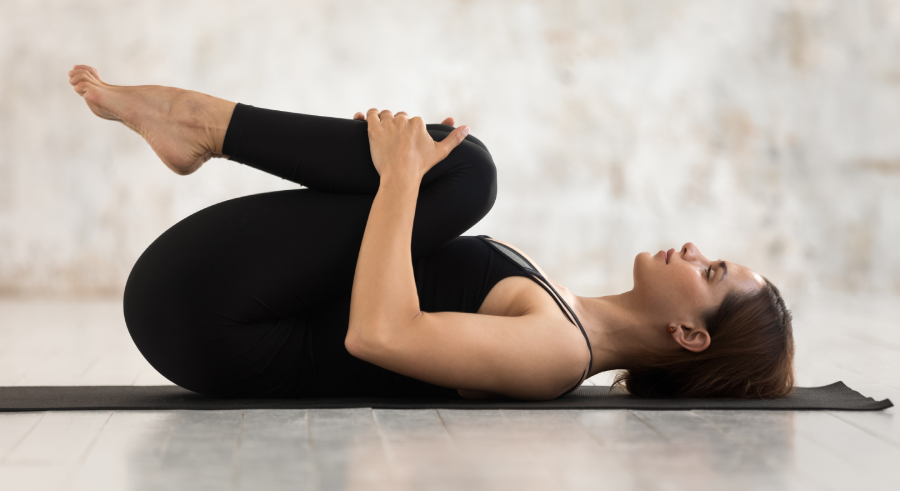
Rehabilitation rebuilds strength and control as the graft heals. It may include:
- Restoring knee movement and managing swelling.
- Strengthening the quadriceps, hamstrings and supporting muscles.
- Developing balance, coordination and movement control.
- Introducing running, jumping and sport-specific drills when appropriate.
Dr. Arumugam notes that patients who felt their knee slipping can regain confidence as the graft heals and muscles strengthen. Around six months may mark progress towards sports, but contact-sport clearance depends on strength, functional testing and the surgeon's assessment.
A complete ACL tear treatment plan therefore considers rehabilitation alongside surgery, when surgery is needed.
Frequently Asked Questions
1. How Is ACL Tear Treatment Decided?
The recommendation is based on the type of tear, knee stability, activity level and response to rehabilitation. No single approach is right for every patient.
2. Does Every Complete ACL Tear Need Reconstruction?
No. Some people with complete tears can function without surgery, depending on knee stability and activity needs. Reconstruction is often considered when an active patient has repeated instability or wants to return to demanding sports.
3. Can Someone Play Sports With a Torn ACL?
It depends on knee stability and the sport. Activities involving pivoting and sudden direction changes place greater demands on the knee. A clinician should assess readiness before return.
4. Which Graft Is Better: Hamstring or BTB?
Both are established options. The choice depends on the patient's circumstances and the surgeon's assessment; one is not automatically better for everyone.
5. How Soon Can Someone Return to Sports After Reconstruction?
Some patients progress towards sports around six months. Contact sports often require longer, and clearance should follow functional assessment rather than a date alone.
Choosing the Next Step
The right ACL tear treatment is the one that matches the patient's knee function and activity goals. Some need rehabilitation; others may benefit from reconstruction.
At Chennai Ortho, Dr. S. Arumugam and the Chennai Ortho team assess the injury, knee function and activity goals before recommending a suitable plan. The aim is to help patients make an informed decision and progress towards stronger, more confident knee function.