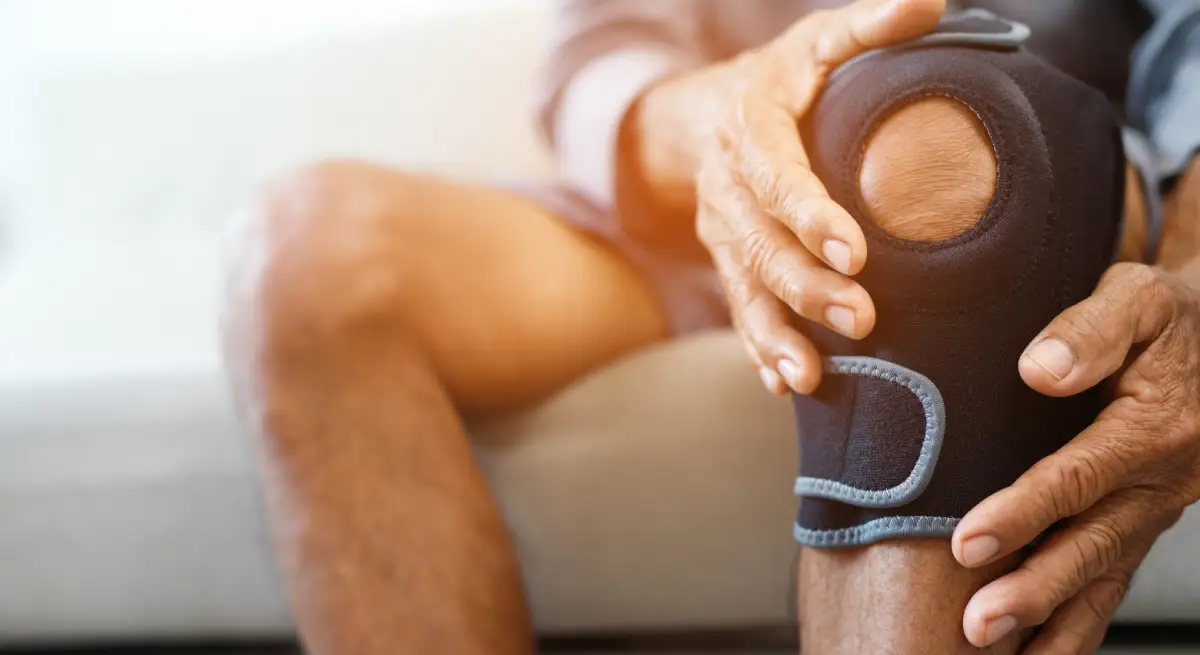

Movement plays an important role in maintaining physical independence, particularly as the body ages. However, declining muscle strength, hormonal changes and reduced bone density can gradually influence physical activity. Understanding these changes and taking preventive measures can help maintain musculoskeletal health. These were among the key subjects addressed by Dr. S. Arumugam and Dr. Priya Kalyani on Sun TV's Vanakkam Tamizha.
Why Movement Should Remain a Priority With Age
Physical activity is not simply about fitness. It helps maintain muscle function, balance, coordination and bone strength. As people grow older, reduced muscle mass and changes in bone density can affect their physical capabilities.
Dr. S. Arumugam places particular importance on making exercise part of a consistent daily routine. Speaking about his own lifestyle, he described prioritising physical activity before beginning his workday, including badminton and gym sessions.
Badminton, in particular, involves more than cardiovascular activity. It requires balance, hand-eye coordination and the combined function of muscles and the nervous system. Such activities demonstrate why varied physical exercise can be valuable for maintaining physical function.
How Menopause Influences Bone Health
For women, menopause marks an important stage in long-term bone health. Dr. Priya Kalyani explained that the menopausal transition can begin during the late thirties or early forties, although the average age of menopause varies.
A decline in oestrogen levels can accelerate bone loss, increasing the risk of osteopenia and osteoporosis. This makes bone health an important consideration during midlife.
Osteopenia refers to lower-than-normal bone density, while osteoporosis involves more significant bone weakening and an increased risk of fractures.
The importance of preventive care becomes particularly relevant during this stage, when nutritional deficiencies, hormonal changes and reduced physical activity may influence bone strength.
Why Calcium and Vitamin D Assessment Matters
Calcium and vitamin D are essential for maintaining bone health. However, assessing calcium levels through a blood test alone does not establish whether the bones have adequate density.
Most of the body's calcium is stored in the skeleton. Therefore, a bone mineral density test may be recommended when osteoporosis risk needs further assessment.
Vitamin D deficiency was another important concern raised by Dr. Priya, particularly because it remains common even in tropical countries such as India.
Depending on individual risk factors, appropriate investigations may include vitamin D levels, calcium assessment and DEXA scanning. Identifying deficiencies and bone loss early can help guide preventive measures and medical treatment.
Strength Training and Muscle Health After 40
Bone health and muscle strength are closely connected. Reduced muscle mass can affect balance, coordination and stability, making physical activity increasingly important with age.
Dr. Arumugam emphasised resistance and strength training as useful activities for maintaining both muscle and bone health.
Regular exercise also requires discipline and consistency. Rather than depending on occasional bursts of activity, a sustainable routine can help maintain physical function over time.
The emphasis is on choosing activities that suit individual physical capacity while maintaining consistency.
Robotic Knee Replacement: The Role of Technology in Surgical Precision
For individuals with advanced knee arthritis, maintaining movement may eventually require medical or surgical intervention. When non-surgical treatment no longer provides adequate relief, knee replacement surgery may be considered.
Dr. Arumugam shared his positive clinical experience with robotic knee replacement and its role in modern orthopaedic practice.
Robotic-assisted systems provide additional information during surgical planning and help surgeons assess individual knee anatomy. They can support implant positioning, alignment assessment and controlled bone preparation during the operation.
One important consideration is that every knee has different anatomical characteristics. Variations in bone structure and joint alignment can influence surgical planning. Robotic assistance provides additional measurements that help surgeons account for these differences and make adjustments where appropriate.
However, the robot does not independently perform the operation. The surgeon remains responsible for clinical decisions, surgical execution and the overall treatment plan. Technology supports surgical expertise rather than replacing it.
Understanding Menopausal Hormone Therapy
Menopausal hormone therapy, previously commonly called hormone replacement therapy, was another subject addressed by Dr. Priya Kalyani.
It may be considered for managing certain menopausal symptoms, including hot flashes. Its suitability depends on individual symptoms, medical history and potential risks.
For women experiencing early menopause or significant menopausal symptoms, a medical assessment helps determine whether hormone therapy is appropriate. It is not a universal treatment and requires individual clinical evaluation.
Frequently Asked Questions
When can menopause begin?
The menopausal transition can begin during the late thirties or early forties. The average age of menopause is generally around 50–52 years, although individual experiences vary.
Can strength training help maintain bone and muscle health?
Yes. Resistance exercises can help maintain muscle mass and support bone health. The exercise routine should be appropriate for the individual's physical condition.
Does a normal blood calcium level indicate healthy bones?
No. Blood calcium levels do not directly measure bone density. A DEXA scan may be recommended to assess osteoporosis risk.
Is PCOS directly responsible for joint problems?
PCOS does not generally cause direct hormonal damage to joints. Associated factors, including obesity and metabolic changes, may indirectly influence joint loading.
Is robotic knee replacement suitable for everyone?
No. Suitability depends on the patient's knee condition, anatomy and clinical requirements. The surgeon determines the most appropriate treatment approach.
Watch Dr. S. Arumugam on Sun TV
From maintaining bone strength after menopause to the role of robotic technology in knee replacement, Dr. S. Arumugam and Dr. Priya Kalyani address important aspects of healthy ageing on Vanakkam Tamizha.
Watch the complete episode on YouTube:
https://www.youtube.com/watch?v=kyX-Qp9BkZI
Conclusion
Maintaining movement throughout life requires attention to bone health, muscle strength and joint function. Preventive exercise, timely assessment and appropriate treatment all contribute to long-term physical independence.
Dr. S. Arumugam and team emphasise the importance of combining clinical experience with appropriate advances in orthopaedic technology. Whether through preventive care or robotic knee replacement when indicated, the focus remains on preserving movement and supporting individual needs.