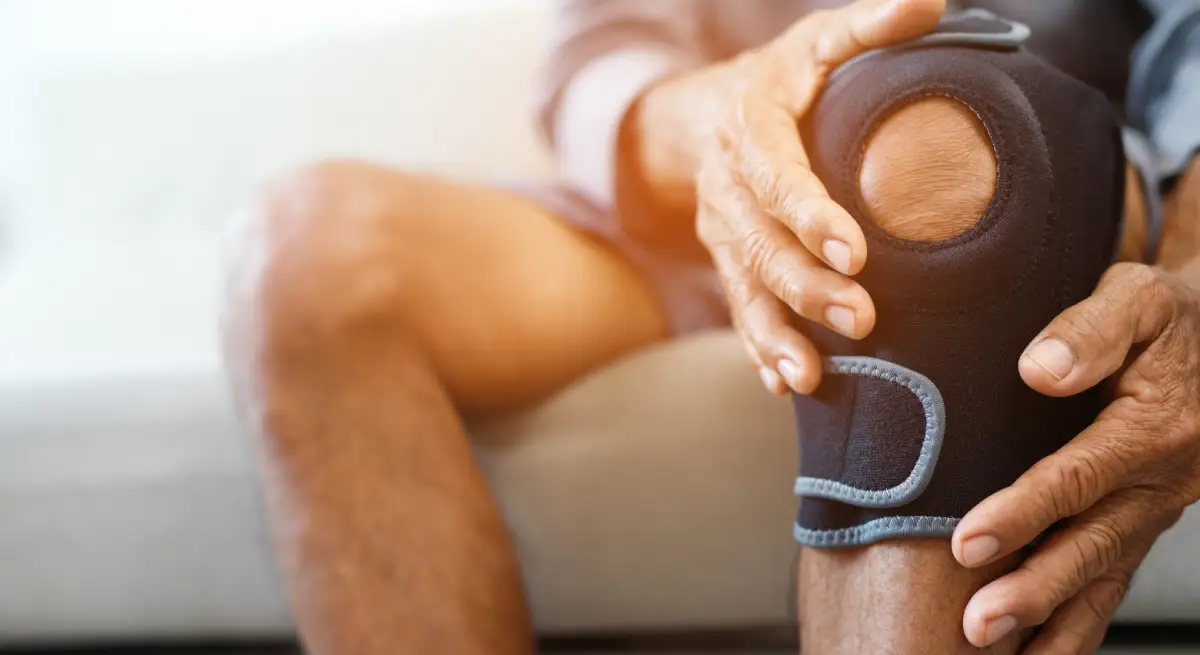
Knee discomfort does not always begin with an injury. Sometimes, a person notices pain while getting up from a chair, stiffness during morning walks or swelling after prolonged activity. Although these symptoms may appear similar, their underlying causes can be different. Understanding common knee problems helps patients recognise changes in joint health and determine when medical evaluation is necessary.
The knee supports body weight while allowing bending, straightening and rotation. Problems affecting its cartilage, ligaments or surrounding tissues can interfere with these movements.
What Are the 5 Most Common Knee Problems?
Osteoarthritis, meniscus tears, ligament injuries, patellofemoral pain syndrome and bursitis are five common knee problems. While some develop gradually, others result from sudden injuries or repeated physical stress.
1. Knee Osteoarthritis
Osteoarthritis occurs when the protective cartilage covering the ends of the knee bones gradually breaks down. This changes how the joint handles pressure during movement.
Symptoms:
- Stiffness after sitting or resting
- Pain that increases with activity
- Swelling around the knee
- Difficulty bending the joint completely
Causes:
Ageing, previous knee injuries, excess body weight and genetic factors can contribute to osteoarthritis.
Treatment Options:
Treatment initially focuses on reducing discomfort and maintaining movement through physiotherapy, muscle-strengthening exercises, weight management and medication.
When severe arthritis significantly affects mobility despite appropriate treatment, knee replacement surgery may be considered.
2. Meniscus Injuries
The knee contains two menisci, which are cartilage structures that distribute pressure between the thighbone and shinbone.
A meniscus tear may occur when someone turns suddenly while keeping one foot planted. In older adults, weakened cartilage can tear during less demanding movements.
Symptoms:
- Pain along either side of the knee
- Swelling that develops after injury
- Catching sensations during movement
- Difficulty fully straightening the leg
Causes:
Sports injuries, sudden twisting movements and age-related tissue degeneration are frequent causes.
Treatment Options:
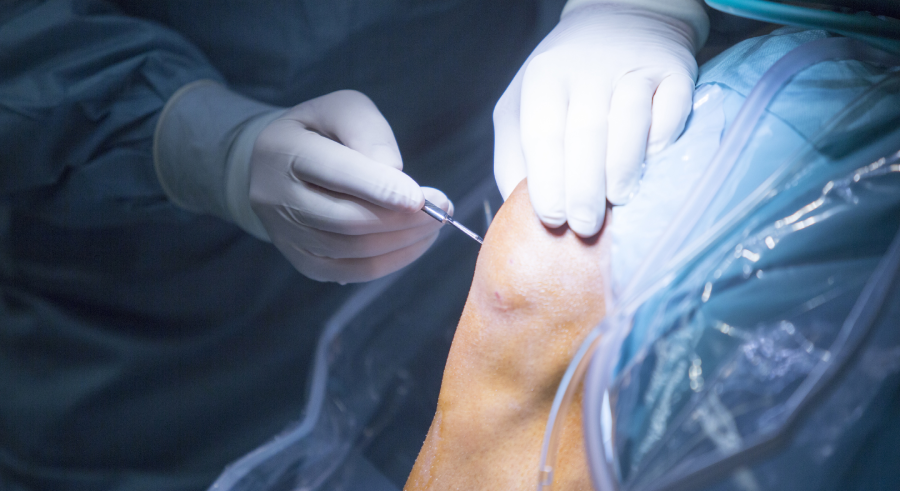
Some meniscus injuries improve with controlled activity, physiotherapy and medication. Tears causing persistent mechanical symptoms may require arthroscopic treatment.
3. Knee Ligament Injuries
Ligaments hold the knee bones together and prevent excessive joint movement. Injuries involving the ACL, PCL or collateral ligaments can affect stability.
Among common knee problems, ligament injuries frequently follow sudden changes in direction during physical activity.
Symptoms:
- Sudden pain following injury
- A noticeable popping sensation
- Rapid swelling
- The knee giving way while walking
Causes:
Incorrect landing after jumping, twisting injuries and direct impact during contact sports can damage knee ligaments.
Treatment Options:
Minor injuries may be managed through bracing and rehabilitation. Severe ligament tears, particularly those causing repeated instability, may require surgical reconstruction.
An MRI may help confirm suspected ligament damage when clinically indicated.
4. Patellofemoral Pain Syndrome
Patellofemoral pain syndrome causes discomfort in the front of the knee, particularly around the kneecap. It often develops when repeated activity places more stress on the joint than the surrounding muscles can comfortably manage.
Symptoms:
- Aching discomfort in the front portion of the knee.
- Discomfort while using stairs
- Pain during squatting
- Increased discomfort after sitting for long periods
Causes:
Sudden increases in running distance, repeated knee bending and reduced hip or thigh muscle strength can contribute to this condition.
Treatment Options:
Rehabilitation usually involves targeted strengthening exercises and gradual changes to physical activity. Improving movement patterns may help reduce repeated stress around the kneecap.
5. Knee Bursitis
Bursitis develops when a fluid-filled sac, known as a bursa, becomes irritated or inflamed. These sacs normally help surrounding tissues move smoothly.
Unlike several other common knee problems, bursitis often produces swelling concentrated over a particular area of the knee.
Symptoms:
- Visible swelling near the kneecap
- Tenderness when pressure is applied
- Pain while kneeling
- Warmth around the swollen area
Causes:
Frequent kneeling, sustained pressure on the knee, physical injuries and inflammatory disorders can contribute to bursitis. Infection is another possible cause.
Treatment Options:
Bursitis without infection can often be managed by avoiding pressure on the affected area, applying ice packs and using prescribed medicines.
How Doctors Identify Common Knee Problems
Knee symptoms alone cannot always establish the exact diagnosis. Two patients experiencing similar pain may have entirely different conditions.
An orthopedic assessment may involve:
- Movement examination: Checking flexibility, tenderness and joint stability.
- X-rays: Identifying bone changes, arthritis or fractures.
- MRI: Assessing suspected ligament, meniscus or cartilage injuries.
- Laboratory tests: Blood tests or joint fluid analysis may be recommended to identify possible infections or inflammatory conditions.
The findings help determine whether rehabilitation, medication or further intervention is appropriate.
Warning Signs That Require Medical Attention
Certain common knee problems become more difficult to manage when symptoms remain unexamined.
An orthopedic consultation is advisable when:
- Knee pain continues despite activity modification.
- Swelling repeatedly develops around the joint.
- The knee feels unstable while walking.
- Straightening or bending becomes difficult.
- Pain begins limiting routine movement.
A knee that becomes severely swollen after injury, cannot support weight or feels hot and swollen alongside fever needs urgent medical assessment.
Frequently Asked Questions
1. Which knee problem commonly affects older adults?
Knee osteoarthritis is particularly common among older adults because joint cartilage may deteriorate with age and previous mechanical stress.
2. Can common knee problems improve without an operation?
Yes. Several common knee problems can be managed using physiotherapy, exercise modification, weight management and appropriate medicines.
3. What causes knee pain without a noticeable injury?
Osteoarthritis, patellofemoral pain syndrome, bursitis and degenerative meniscus tears can develop without a major traumatic event.
4. Is swelling around the knee always caused by arthritis?
No. Swelling may develop from ligament injuries, meniscus tears, bursitis, infection or other inflammatory conditions.
5. Can walking worsen an existing knee condition?
Walking is generally beneficial when appropriately managed. However, certain injuries or severe joint inflammation may require temporary activity adjustments.
6. When should someone consider knee replacement surgery?
Knee replacement may be considered when advanced arthritis causes ongoing pain and functional limitations despite suitable non-surgical treatment.
Conclusion
Different knee conditions require different approaches to diagnosis and treatment. Recognising common knee problems and their warning signs can help patients make informed decisions about their joint health.
The Chennai Ortho team, led by Dr. S. Arumugam, evaluates knee pain, injuries and degenerative joint conditions to identify suitable treatment options. Depending on clinical findings, patients may benefit from rehabilitation, medication, minimally invasive procedures or knee replacement surgery.
Individuals experiencing persistent knee discomfort or restricted movement can consult the Chennai Ortho team for an orthopedic evaluation and treatment recommendations tailored to their condition.