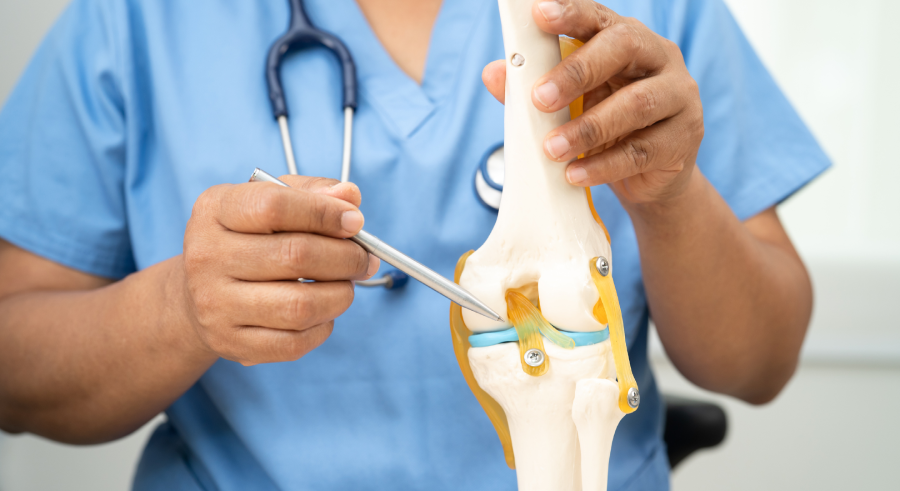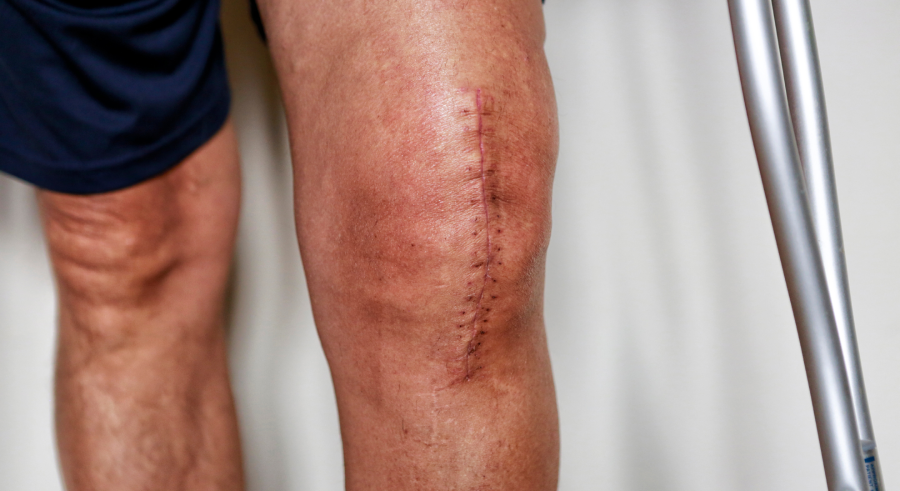

Joint pain is often blamed on age, injuries, or medical conditions, but many people overlook everyday behaviors that quietly wear down their joints. In reality, the causes of joint damage often begin with small lifestyle habits repeated over time. These habits may feel harmless today, but they gradually weaken cartilage, strain ligaments, and limit mobility. Understanding these hidden triggers can help people protect their joints early and avoid long-term discomfort.
From the way someone sits at work to how they exercise or rest, joints are constantly responding to daily choices. Identifying and correcting these patterns is one of the most effective ways to reduce the causes of joint damage before pain becomes a permanent companion.
Poor Posture and Prolonged Sitting
One of the most underestimated causes of joint damage is poor posture, especially during long hours of sitting. Many people spend most of their day hunched over laptops or mobile phones, placing uneven pressure on the neck, shoulders, spine, hips, and knees.
When posture is incorrect:
- The spine loses its natural alignment
- Muscles tighten unevenly
- Joints absorb more stress than designed
Over time, this imbalance accelerates joint wear and reduces flexibility. Regular posture checks, ergonomic chairs, and short movement breaks can significantly reduce joint strain.
Lack of Regular Movement
While overuse can harm joints, too little movement can be just as damaging. Joints rely on motion to stay lubricated and nourished. A sedentary lifestyle slows the flow of synovial fluid, which keeps joints healthy.
Common signs linked to inactivity include:
- Stiffness after sitting or waking up
- Reduced range of motion
- Weak muscles around joints
Among the major causes of joint damage, prolonged inactivity stands out because it silently reduces joint strength. Simple habits like walking, stretching, or light mobility exercises can make a noticeable difference.
High-Impact Exercise Without Recovery
Exercise is essential, but doing it incorrectly can become one of the leading causes of joint damage. High-impact workouts such as running on hard surfaces, jumping exercises, or intense gym routines without proper form or rest can overload joints.
Risk increases when:
- Warm-ups are skipped
- Proper footwear is ignored
- Recovery days are not planned
Joints need time to repair micro-stress caused by workouts. Without recovery, cartilage breakdown accelerates, increasing the risk of chronic joint pain.
Excess Body Weight and Joint Stress
Carrying extra body weight places constant pressure on weight-bearing joints, especially the knees, hips, and ankles. Even a small increase in weight can multiply the force experienced by these joints during walking or climbing stairs.
This is one of the most common causes of joint damage because:
- Cartilage wears down faster
- Inflammation increases
- Joint alignment may change
Maintaining a healthy weight helps reduce joint load and preserves long-term mobility.
Repetitive Daily Movements
Many people assume joint damage only comes from sports injuries, but repetitive everyday actions are equally harmful. Activities such as typing, using a mouse, lifting objects incorrectly, or even scrolling on a phone can strain joints over time.
Repetitive stress often leads to:
- Tendon irritation
- Reduced joint stability
- Chronic stiffness
These patterns are subtle causes of joint damage that often go unnoticed until pain becomes persistent. Adjusting movement patterns and taking regular breaks can help prevent long-term issues.
Ignoring Minor Pain and Stiffness
One of the most dangerous habits is ignoring early warning signs. Mild joint pain, clicking sounds, or stiffness are often dismissed as temporary issues. However, these are early indicators of joint stress.
When early symptoms are ignored:
- Inflammation becomes chronic
- Joint structures weaken further
- Recovery becomes more difficult
Listening to the body and addressing discomfort early can prevent small problems from turning into serious causes of joint damage.
Poor Sleep and Stress Levels
Sleep and stress rarely come up in discussions about joint health, but they play a major role. Poor sleep reduces the body’s ability to repair tissues, while chronic stress increases inflammation levels.
Together, they contribute to:
- Slower joint recovery
- Increased pain sensitivity
- Reduced muscle support around joints
Over time, poor sleep and unmanaged stress become indirect but powerful causes of joint damage.
Inadequate Nutrition for Joint Health
Joints require proper nutrients to maintain cartilage and reduce inflammation. Diets low in essential vitamins, minerals, and healthy fats can weaken joint structures.
Nutritional gaps may lead to:
- Reduced cartilage repair
- Increased inflammation
- Weaker bones and ligaments
Balanced nutrition supports joint longevity and lowers the risk of long-term damage.
Frequently Asked Questions
Can daily habits really cause joint damage?
Yes. Many causes of joint damage develop slowly due to repeated daily behaviors such as poor posture, inactivity, or improper exercise techniques.
Is joint damage reversible?
Early-stage joint stress can often be managed or slowed with lifestyle changes. Advanced damage may not be fully reversible but can still be controlled.
How much movement is good for joints?
Regular low-impact movement, combined with strength and flexibility exercises, is ideal for maintaining joint health.
Does age matter more than lifestyle?
Age plays a role, but lifestyle habits are often stronger contributors to joint problems than aging alone.
When should someone consult a specialist?
If joint pain, stiffness, or swelling persists for more than a few weeks, professional evaluation is recommended.
Conclusion
Joint damage does not always come from accidents or old age. In many cases, it develops quietly through daily habits that seem normal but gradually strain the body. Poor posture, lack of movement, excess weight, unmanaged stress, and ignoring early pain are some of the most common causes of joint damage. Recognizing these patterns early allows individuals to make smarter choices that protect joint health for years to come.
For those experiencing persistent joint discomfort or looking for expert guidance on prevention and care, consulting specialists at Chennai Ortho hospital can provide clarity, early intervention, and personalized treatment plans focused on long-term joint health and mobility.