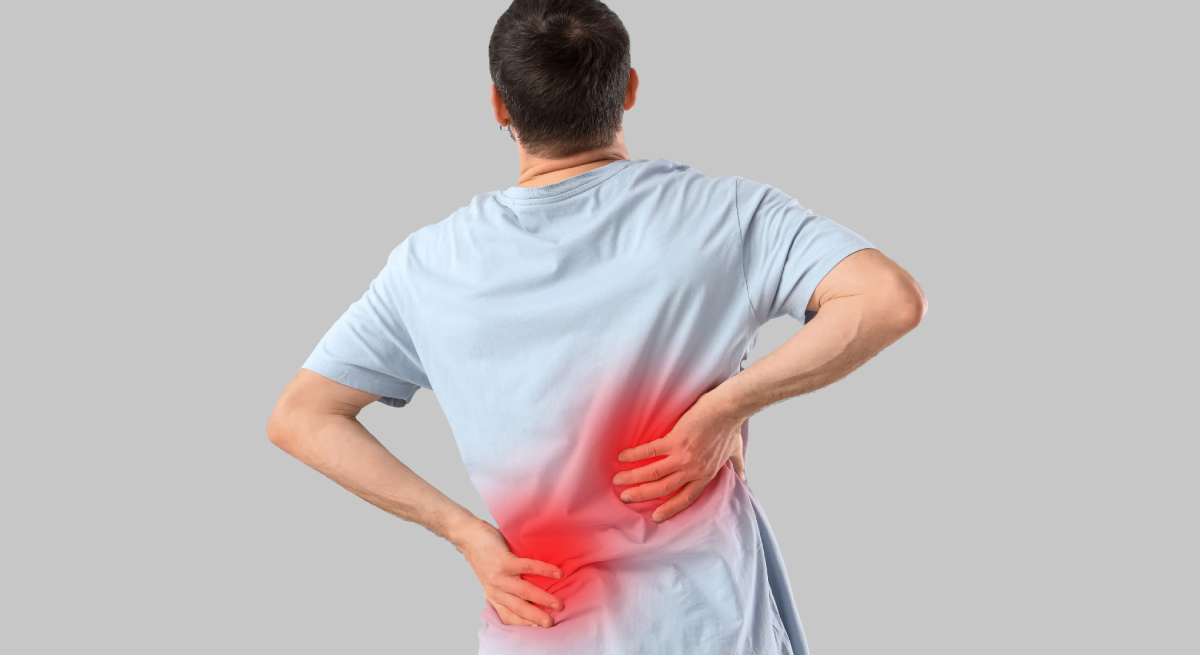
Back discomfort has quietly become part of everyday life for many people. Whether it’s long hours at a desk, constant phone use, or lack of movement, the spine often takes the biggest hit. Knowing about common spine conditions can help individuals spot warning signs early and take action before the issue becomes severe. A better understanding also removes confusion and helps people make smarter choices about their health.
Understanding Common Spine Conditions
The spine supports the body, allows movement, and protects vital nerves. Because it performs so many roles, even minor issues can lead to noticeable discomfort. Common spine conditions usually develop gradually, often due to daily habits rather than a single injury.
When ignored, these problems may progress from mild stiffness to chronic pain, affecting work, sleep, and overall quality of life.
Slip Disc (Herniated Disc)
A slip disc happens when one of the cushioning discs between spinal bones shifts out of place or ruptures. This can put pressure on nearby nerves.
Typical Symptoms:
- Localized or radiating pain
- Tingling sensations
- Weakness in limbs
- Pain during bending or lifting
Why It Occurs:
- Improper lifting techniques
- Sitting for extended hours
- Natural aging of spinal discs
This condition is widely seen among adults and remains one of the most recognized common spine conditions today.
Sciatica
Sciatica is not a condition by itself but a symptom of nerve irritation. It involves pain traveling along the sciatic nerve, usually from the lower back down one leg.
Key Indicators:
- Sharp, shooting pain
- Burning sensation
- Difficulty standing for long periods
- Pain concentrated on one side
Common Triggers:
Sciatica often develops due to disc problems or narrowing of the spine that compresses the nerve.
It can interfere with daily movement if not addressed promptly.
Degenerative Disc Changes
Over time, spinal discs lose their flexibility and ability to absorb shock. This gradual process is known as degenerative disc changes.
Symptoms:
- Persistent or recurring back pain
- Reduced range of motion
- Pain that fluctuates with activity
- Discomfort during twisting or bending
Contributing Factors:
- Age-related wear
- Repetitive strain
- Lack of physical activity
Among all common spine conditions, this one tends to develop slowly but steadily.
Spinal Canal Narrowing (Spinal Stenosis)
This condition occurs when the space within the spine becomes smaller, putting pressure on nerves.
Warning Signs:
- Pain while walking
- Numbness in legs
- Muscle weakness
- Relief when leaning forward
Causes:
- Bone overgrowth
- Thickened tissues
- Age-related changes
It is more frequently seen in older adults and requires proper monitoring.
Abnormal Spine Curvature (Scoliosis)
Scoliosis refers to an unusual sideways curve of the spine. It may appear during growth years or later in life.
Signs to Notice:
- Uneven shoulders or hips
- Visible spinal curve
- Postural imbalance
- Occasional discomfort
While mild cases may not cause pain, severe cases can affect posture and mobility.
Why Do Spine Problems Develop?
Several everyday factors increase the chances of developing spine issues. Most of these are lifestyle-related and can be corrected.
Common Causes:
- Sitting for long periods without support
- Poor posture habits
- Lack of regular exercise
- Excess body weight
- Sudden injuries or strain
These triggers often combine, leading to multiple common spine conditions over time.
When Should Medical Attention Be Considered?
Not all back pain is serious, but certain signs should not be ignored.
Seek Help If:
- Pain continues beyond a few weeks
- Discomfort spreads to arms or legs
- Movement becomes restricted
- There is numbness or weakness
- Daily activities are affected
Early diagnosis often leads to faster and more effective recovery.
Simple Ways to Protect Your Spine
Taking care of the spine does not always require major changes. Small adjustments in daily habits can prevent long-term issues.
Practical Tips:
- Sit with proper back support
- Keep screens at eye level
- Stay physically active
- Strengthen core muscles
- Avoid sudden heavy lifting
- Maintain a balanced body weight
Consistent effort in these areas can reduce the risk of common spine conditions significantly.
Available Treatment Approaches
Treatment depends on the type and severity of the condition. Most cases improve with non-surgical care.
Non-Surgical Options:
- Guided physiotherapy
- Medication for pain relief
- Posture correction techniques
- Heat or cold applications
Surgical Care:
In advanced cases, procedures may be required to relieve nerve pressure or stabilize the spine.
A tailored approach ensures better outcomes and faster recovery.
FAQ Section
-
What are some common spine conditions people face?
Slip disc, sciatica, spinal stenosis, scoliosis, and degenerative disc changes are among the most common spine conditions.
-
Can spine problems go away without treatment?
Minor issues may improve with rest, but ongoing symptoms should be checked by a specialist.
-
Does posture really affect spinal health?
Yes, poor posture is one of the leading causes of long-term spine problems.
-
Is exercise helpful for spine health?
Regular exercise, especially strengthening and stretching, supports spinal stability and reduces risk.
-
When should someone worry about back pain?
If pain is persistent, severe, or affects movement, medical advice should be taken.
Conclusion
The spine plays a central role in movement and overall health, yet it is often overlooked until discomfort becomes unavoidable. Understanding common spine conditions like slip disc, sciatica, and spinal narrowing helps individuals take early action and avoid complications. With the right balance of awareness, lifestyle changes, and timely care, most spine-related problems can be effectively managed. For those seeking professional support and long-term relief, consulting experts such as the Chennai Ortho team can be a reliable step toward better spinal health.