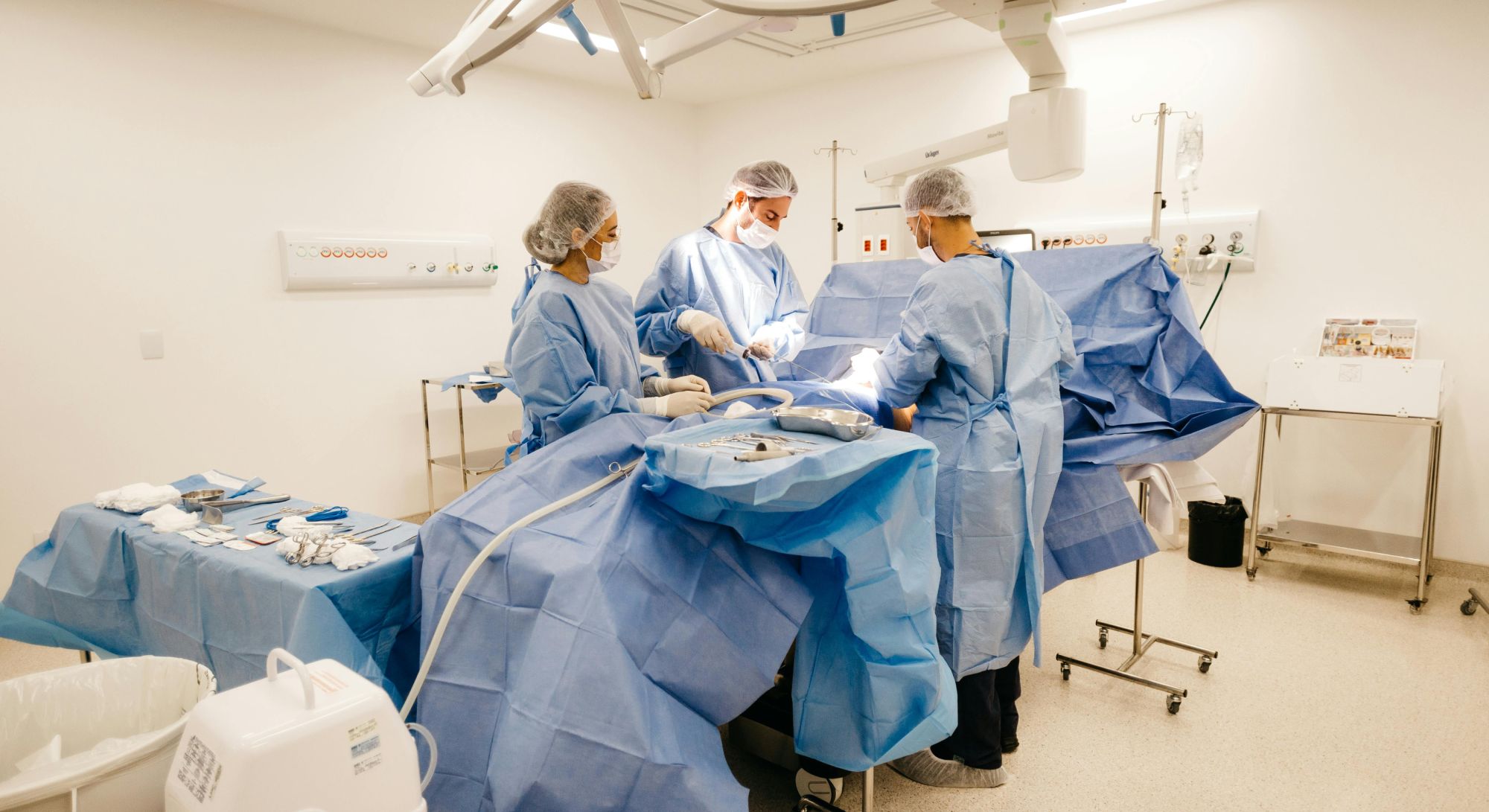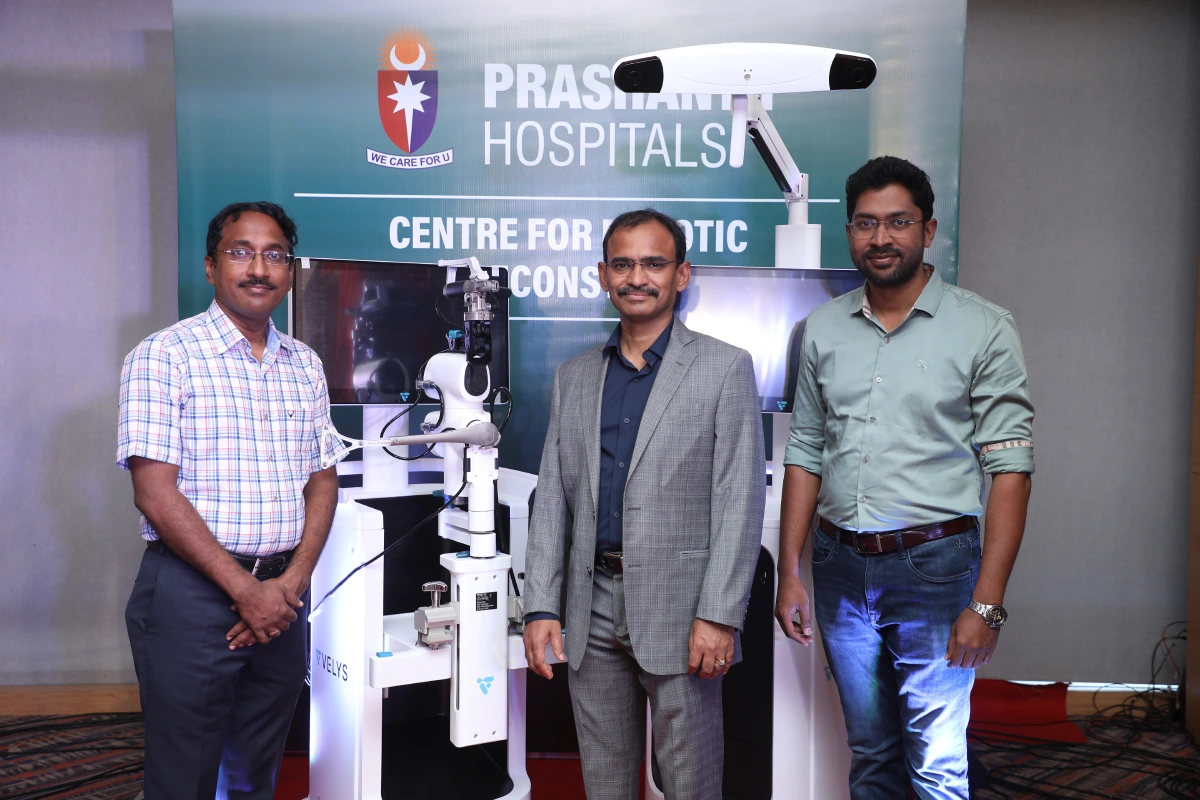
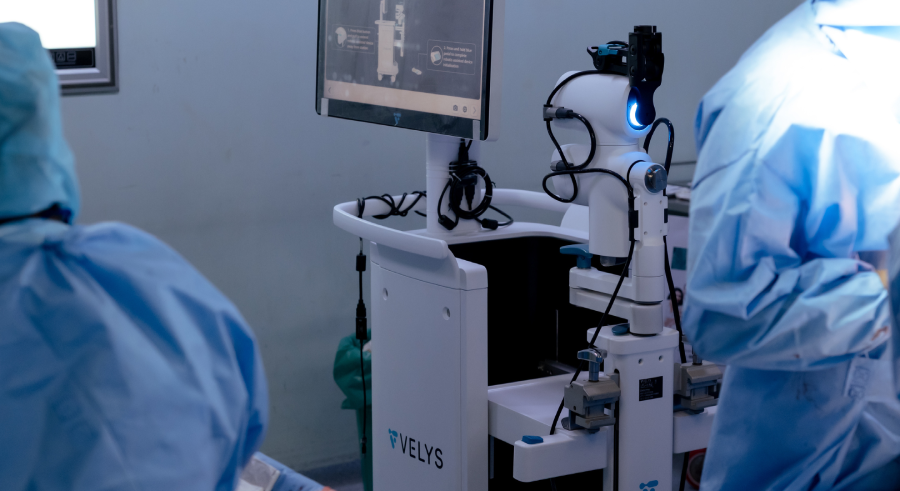
Knee replacement surgery has evolved significantly over the years. Today's orthopedic surgeons are not only looking for reliable implants but also for technologies that help them perform surgery with greater consistency and accuracy. This is one of the reasons VELYS robotic orthopedic surgery is being adopted by more surgeons around the world. Rather than replacing surgical expertise, the system acts as an advanced surgical assistant, providing real-time information that helps surgeons make precise decisions throughout the procedure. For patients, this means treatment that is planned around the unique structure of their knee instead of relying on a one-size-fits-all approach.
What Makes VELYS Different?
Robotic assistance is not new in orthopedics, but not every robotic platform works in the same way. One of the distinguishing features of VELYS robotic orthopedic surgery is that it creates a digital understanding of the knee during the operation itself. Instead of depending on a CT scan taken days before surgery, the system gathers information in real time using advanced cameras and sensors.
This offers two important benefits:
- No additional radiation from a pre-operative CT scan
- Surgical planning based on the knee's actual condition during the procedure
By continuously analysing the joint, the surgeon can make informed adjustments whenever required.
Technology That Works With the Surgeon
Many patients imagine that robotic surgery means the robot performs the operation independently. That is not how VELYS works.
Every important decision from preparing the knee to positioning the implant is made by the orthopedic surgeon. The robotic system simply provides highly accurate guidance and controlled assistance while the surgeon performs the procedure.
Think of it as a navigation system. It does not decide where to go, but it helps the driver reach the destination more accurately.
This partnership between surgical experience and technology is what makes VELYS robotic orthopedic surgery valuable in modern knee replacement.
Why Precision Matters During Knee Replacement
Successful knee replacement involves much more than removing damaged cartilage.
The new implant needs to sit in the correct position, the joint must be aligned properly, and the surrounding ligaments should remain balanced throughout movement.
Even small variations can influence how the knee functions after surgery.
With VELYS robotic orthopedic surgery, surgeons receive continuous feedback during the procedure, allowing them to fine-tune implant positioning according to each patient's anatomy rather than relying solely on conventional alignment methods.
This personalised approach helps recreate natural joint movement as closely as possible.
Does Robotic Surgery Mean a Smaller Cut?
This is one of the most common misconceptions about robotic-assisted knee replacement.
Patients often assume that advanced technology automatically means keyhole surgery.
In reality, the size of the incision remains similar to conventional knee replacement because the implant still needs adequate surgical access for proper placement.
The benefit of VELYS robotic orthopedic surgery lies inside the operation—not outside it. Its advantage comes from improving surgical precision rather than reducing the length of the incision.
Why Are More Surgeons Choosing VELYS?
Modern orthopedic surgery increasingly focuses on accuracy and individualised treatment.
VELYS supports this approach by providing:
- Real-time knee mapping during surgery
- CT-free surgical planning
- Precise implant positioning
- Improved soft tissue balancing
- Patient-specific adjustments throughout the procedure
Instead of applying the same technique to every knee, surgeons can tailor the procedure according to each patient's anatomy and movement.
What Does This Mean for Patients?
Patients frequently ask whether robotic-assisted surgery is "better."
The answer depends on how the technology is used.
When combined with surgical expertise, VELYS robotic orthopedic surgery can help surgeons achieve more precise implant positioning and joint balance. This may contribute to smoother movement, improved function, and greater confidence during recovery for suitable patients.
However, technology alone does not determine the outcome. Recovery also depends on rehabilitation, muscle strength, overall health, and following the surgeon's post-operative instructions.
Experience Still Leads Every Procedure
Robotic assistance is an advanced surgical tool—not an automatic surgeon.
It cannot decide whether knee replacement is necessary, select the right treatment plan, or respond to unexpected situations during surgery.
Those responsibilities remain entirely with the orthopedic surgeon.
This is why experience continues to play the most important role. The technology enhances the surgeon's ability to perform with greater precision, but it never replaces clinical judgment or surgical skill.
Frequently Asked Questions
Does VELYS robotic orthopedic surgery require a CT scan?
No. Unlike many robotic platforms, VELYS uses real-time imaging and sensor-based mapping during surgery, so a pre-operative CT scan is not required.
Does the robot perform the operation?
No. The surgeon performs every stage of the procedure. The robotic system provides guidance and controlled assistance to improve precision.
Is robotic knee replacement a keyhole procedure?
No. The incision is generally similar to conventional knee replacement because adequate access is required to position the implant correctly.
Why are more orthopedic surgeons adopting VELYS technology?
Many surgeons appreciate its ability to support personalised surgical planning, accurate implant positioning, and real-time adjustments during the procedure.
Will robotic surgery shorten recovery?
Recovery differs from person to person. Surgical precision is one factor, but rehabilitation, overall health, and physiotherapy also influence recovery.
Conclusion
The increasing adoption of VELYS robotic orthopedic surgery reflects the growing emphasis on precision and personalised care in knee replacement. By combining real-time surgical guidance with the expertise of the operating surgeon, the technology helps support more accurate implant positioning without changing the surgeon's central role in the procedure.
For patients considering robotic-assisted knee replacement, understanding how the technology works can make treatment decisions more informed and less influenced by common misconceptions. Dr. Arumugam and the Chennai Ortho Team use advanced technologies such as VELYS to provide personalised surgical care while focusing on precision, safety, and outcomes that are tailored to each patient's individual needs.