
For most people, a surgeon’s role begins in the operating room and ends after a successful procedure. But for surgeons involved in technology and innovation, there is another responsibility helping improve the tools that future surgeries will depend on.
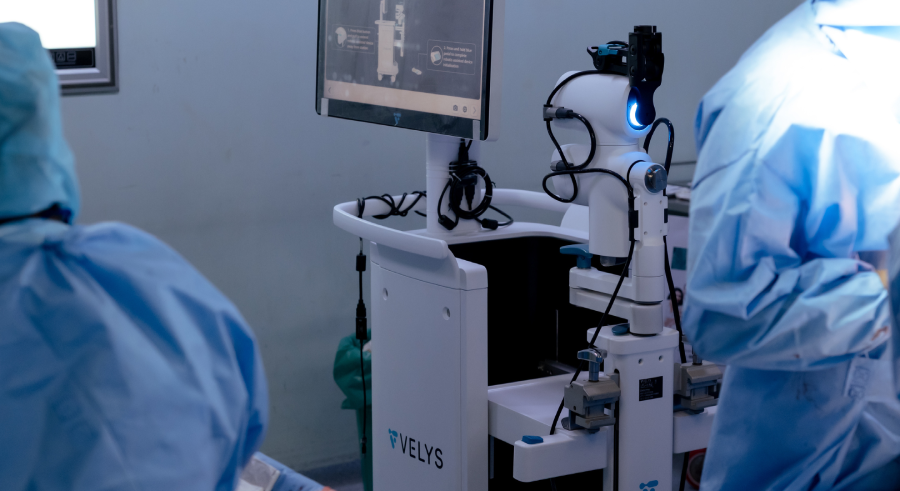
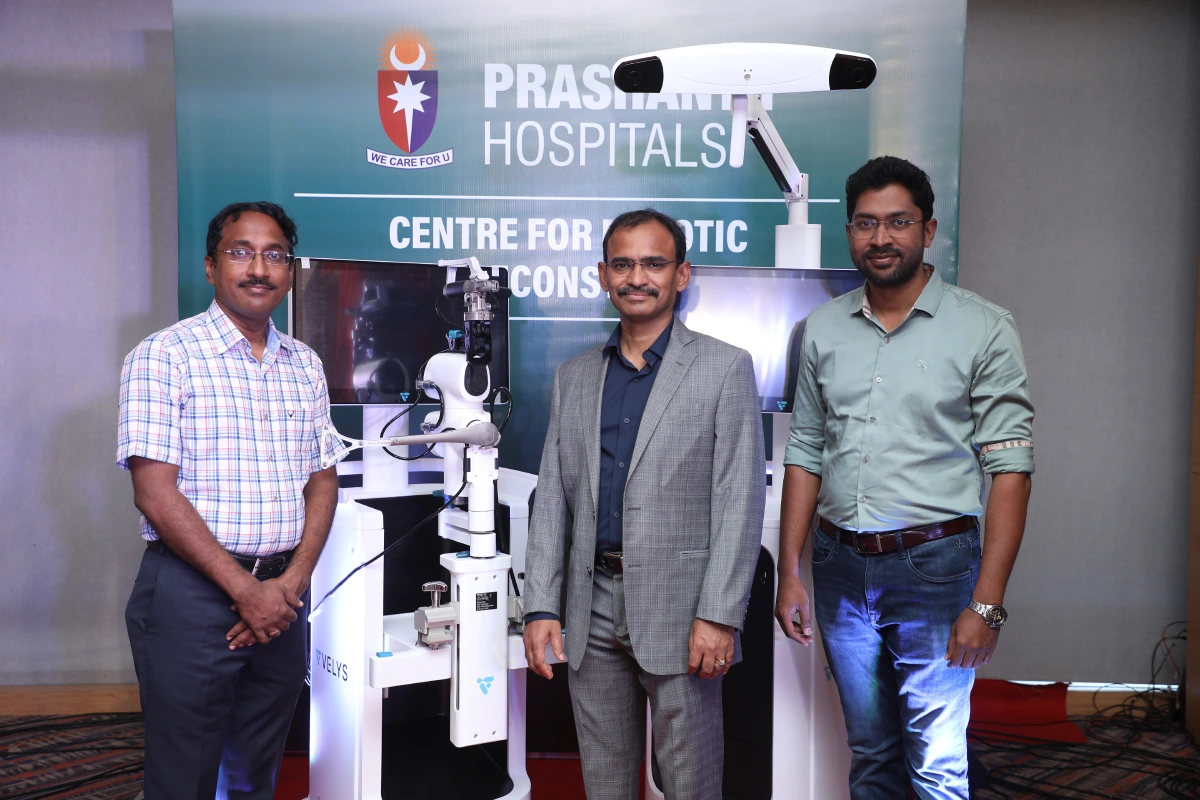
Recently, a group of orthopaedic surgeons from the Asia-Pacific region met in Bangkok with engineers, software developers, and designers behind the Velys robotic knee replacement system. The discussions were not about performing surgery. The focus was on understanding what improvements are needed in robotic technology and what future versions of the system could look like.
These conversations help bridge the gap between technology developers and surgeons who use robotic systems during real procedures.
Why Surgeons Are Involved in Developing Robotic Knee Replacement Technology
Robotic systems used in joint replacement continue to evolve. While engineers design software and hardware, surgeons provide practical feedback based on operating room experience.
During the Bangkok meeting, surgeons discussed:
- Changes required in existing robotic workflows
- Features that could improve ease of use during surgery
- Areas where software could become more efficient
- Upgrades needed over the next few years
- How future robotic systems can better support precision in knee replacement procedures
Surgeons perform these procedures regularly, making their input valuable when designing future versions of robotic technology.
Discussions Around the Future of Velys Robotic Knee Replacement
One major part of the interaction involved understanding what engineers and software teams are planning for upcoming developments.
The discussions included:
Possible future upgrades in robotic systems
Developers shared early insights into what future generations of robotic knee replacement technology may include. While specific product details remain part of ongoing development, the focus was on improving:
- Surgical workflow efficiency
- Precision during implant positioning
- User experience for surgeons
- Software functionality
- Overall performance of robotic-assisted procedures
The objective was straightforward: create systems that improve surgical accuracy while remaining practical inside the operating theatre.
Reviewing whether planned changes are clinically useful
Innovation does not automatically translate into better patient care.
Surgeons evaluated whether proposed technological developments would actually help during procedures or improve outcomes. This feedback process helps prevent technology from becoming unnecessarily complicated.
The goal is to ensure future upgrades remain useful rather than simply advanced.
Robotic Knee Replacement Improves Through Continuous Feedback
Robotic platforms are not developed once and left unchanged. Improvement happens continuously through collaboration between surgeons and technology teams.
Feedback from practising surgeons can influence:
- Interface design
- Surgical planning tools
- Workflow during procedures
- Navigation systems
- Accuracy support mechanisms
- Overall usability
Small modifications in these areas can have long-term impact on surgical practice.
Innovation Is Becoming an Important Part of Modern Orthopaedic Surgery
For surgeons interested in advanced technology, contributing to innovation is increasingly becoming part of professional responsibility.
Their involvement extends beyond treating patients and includes:
Helping improve future surgical tools
Suggestions shared today may contribute to systems used globally in the coming years.
Supporting the next generation of surgeons
Improved robotic technology can help future surgeons work with better precision and more refined systems.
Contributing to long-term advancement in orthopaedics
Participation in development discussions helps push the field forward over time.
This broader contribution often happens behind the scenes but plays a role in how surgical technology evolves.
A Full Day of Collaboration Between Surgeons and Technology Teams
According to the experience shared, the discussions with the Velys team involved detailed conversations with:
- Software designers
- Hardware engineers
- Technology specialists
- Product development teams
The sessions focused on understanding proposed developments, questioning their usefulness, and discussing practical requirements from a surgeon’s perspective.
The exchange was intensive, technical, and centred around solving real challenges faced during robotic procedures.
What Patients Can Take Away From This
Patients often see robotic surgery as a finished technology. In reality, systems continue to improve because surgeons actively participate in refining them.
Meetings like these influence how future robotic knee replacement procedures may evolve, with an emphasis on:
- Better precision
- Improved usability during surgery
- More efficient workflows
- Smarter technology support
Progress in robotic surgery depends on continuous collaboration between clinicians and engineers.
Frequently Asked Questions
Why do orthopaedic surgeons attend technology meetings?
Surgeons provide feedback based on practical experience, helping improve future robotic systems used in joint replacement procedures.
What was discussed during the Velys meeting in Bangkok?
The discussions focused on required changes, future upgrades, software improvements, and technological developments in robotic knee replacement systems.
Does surgeon feedback influence robotic surgery technology?
Yes. Feedback from surgeons can shape workflow design, usability, and future improvements in robotic platforms.
Are robotic knee replacement systems regularly updated?
Robotic technologies continue evolving through engineering advancements and clinical feedback from practising surgeons.
Can these discussions impact future patient care?
Improvements in technology may contribute to more refined surgical tools and better support during procedures.
Looking Ahead
Performing surgery remains the foundation of orthopaedic practice, but contributing to innovation is becoming equally important for surgeons involved in advanced technology. Helping refine robotic systems today can influence how knee replacement procedures are performed in the future.
The Chennai Ortho team continues to stay engaged with advancements in orthopaedic technology and robotic surgery. believes that participating in conversations around innovation, including developments in Velys robotic knee replacement technology, is essential for improving future surgical care and supporting the next generation of orthopaedic surgeons.