Orthopedic surgery has evolved significantly over the years, and one of the most impactful advancements is robotic-assisted procedures. Today, robotic orthopedic surgery benefits patients by combining surgical expertise with advanced technology to deliver higher precision, better alignment, and faster recovery. As joint problems, arthritis, and sports injuries become more common, especially among active adults and seniors, this technology is redefining how orthopedic care is delivered.
In the first few years of adoption, robotic systems were seen as optional enhancements. Now, they are becoming an essential part of modern orthopedic practice because of the consistent outcomes they help achieve. From knee and hip replacements to complex joint reconstructions, robotic assistance is improving both surgical accuracy and patient confidence.
Understanding Robotic Orthopedic Surgery
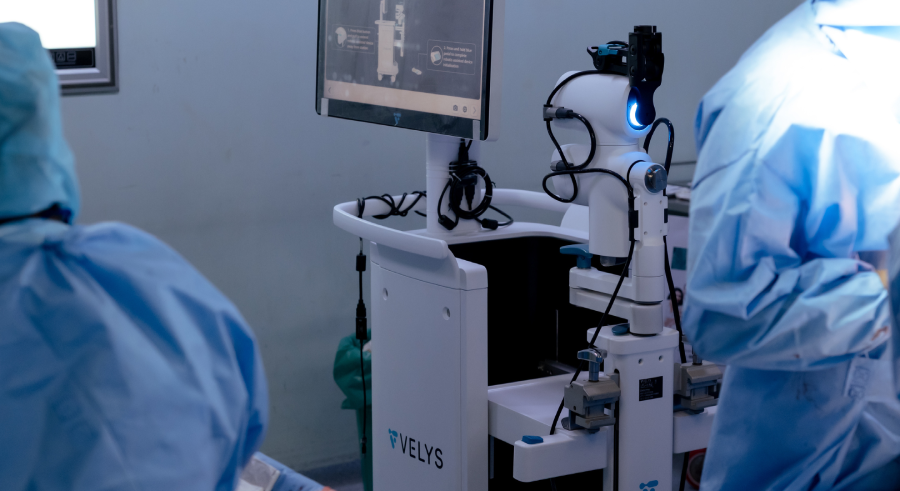
Robotic orthopedic surgery is not about robots performing surgery independently. Instead, it is a surgeon-controlled system that provides real-time data, 3D visualization, and precise guidance during the procedure. The surgeon plans the operation in detail before making any incision, using patient-specific imaging data.
During surgery, the robotic system assists by:
- Mapping the patient’s anatomy in real time
- Guiding bone preparation with sub-millimeter accuracy
- Helping place implants exactly as planned
This combination of human expertise and robotic precision is what makes robotic orthopedic surgery benefits stand out compared to conventional techniques.
Why Precision Matters in Orthopedic Procedures
Orthopedic surgeries, especially joint replacements, rely heavily on precise alignment and balance. Even minor deviations can affect mobility, comfort, and the lifespan of the implant.
Robotic assistance improves precision by:
- Customizing surgical plans based on individual anatomy
- Ensuring accurate bone cuts and implant positioning
- Reducing reliance on manual estimation
When implants are placed more accurately, patients often experience better joint function and reduced wear over time.
Personalized Surgical Planning
One of the most valuable robotic orthopedic surgery benefits is personalization. Instead of using standardized approaches, surgeons can tailor the procedure to each patient’s bone structure, joint condition, and movement patterns. This individualized planning helps achieve more natural joint motion after surgery.
Faster and More Predictable Recovery
Recovery is a major concern for anyone considering orthopedic surgery. Robotic-assisted procedures are designed to minimize unnecessary tissue damage, which directly impacts healing time.
Patients often notice:
- Reduced post-operative pain
- Less swelling around the joint
- Shorter hospital stays
- Earlier return to daily activities
Because robotic systems allow for controlled and precise movements, surrounding muscles and ligaments are better preserved. This leads to smoother rehabilitation and more predictable recovery timelines.
Reduced Risk of Complications
Accurate implant placement also lowers the risk of complications such as joint instability, uneven leg length, or premature implant loosening. While no surgery is completely risk-free, robotic guidance helps reduce avoidable errors that can affect long-term outcomes.
Improved Long-Term Outcomes
Another important aspect of robotic orthopedic surgery benefits is durability. When implants are aligned correctly and balanced well, they tend to last longer. This is particularly important for younger or active patients who want to avoid revision surgery in the future.
Long-term advantages include:
- Better joint stability
- More natural movement patterns
- Lower chances of revision surgery
- Higher overall patient satisfaction
As orthopedic care shifts toward value-based outcomes, these long-term benefits play a critical role in treatment decisions.
Applications Across Orthopedic Treatments
Robotic technology is now used across multiple orthopedic procedures, making it a versatile tool in modern hospitals.
Common applications include:
- Robotic knee replacement surgery
- Robotic hip replacement surgery
- Partial joint replacements
- Complex joint alignment corrections
Each application benefits from the same core principles: precision, personalization, and controlled execution.
Knee and Hip Replacements
Knee and hip replacements are among the most common procedures where robotic assistance has shown measurable improvements. Accurate alignment in these joints directly affects walking comfort, range of motion, and overall mobility.
Addressing Common Patient Concerns
Despite its advantages, some patients hesitate because they misunderstand how robotic systems work. It is important to clarify that the surgeon remains fully in control throughout the procedure. The robot does not make decisions; it supports the surgeon with enhanced accuracy and feedback.
Other concerns often include:
- Safety of robotic systems
- Cost considerations
- Learning curve for surgeons
With proper training and experience, robotic-assisted orthopedic surgery has proven to be safe and effective, with outcomes that often surpass traditional methods.
Frequently Asked Questions
Is robotic orthopedic surgery safe?
Yes, robotic-assisted procedures are considered safe when performed by trained orthopedic surgeons. The technology is designed to enhance accuracy, not replace surgical expertise.
Does robotic surgery mean smaller incisions?
In many cases, yes. Improved planning and precision often allow for minimally invasive approaches, which support faster recovery.
Who is an ideal candidate for robotic orthopedic surgery?
Patients with joint degeneration, arthritis, or alignment issues may benefit. Suitability depends on individual health, anatomy, and surgical goals.
Does robotic orthopedic surgery reduce recovery time?
While recovery varies, many patients experience quicker rehabilitation due to reduced tissue trauma and improved joint balance.
Are robotic procedures only for joint replacements?
No. While joint replacements are common, robotic assistance is also used for other orthopedic procedures requiring high precision.
The Bigger Picture of Advanced Orthopedic Care
From a broader perspective, robotic orthopedic surgery benefits extend beyond individual procedures. They represent a shift toward data-driven, patient-centered care. Surgeons can now rely on objective measurements rather than visual estimation alone, leading to more consistent outcomes across different patients.
As technology continues to evolve, the integration of robotics, imaging, and analytics is expected to further enhance surgical precision and recovery experiences.
Conclusion
Robotic orthopedic surgery is transforming the way joint and bone procedures are performed by improving precision, personalization, and recovery outcomes. With benefits such as accurate implant placement, reduced pain, faster rehabilitation, and better long-term results, this technology is setting a new standard in orthopedic care. For patients seeking advanced, reliable treatment options, centers like Chennai Ortho are embracing these innovations to deliver high-quality orthopedic solutions focused on long-term mobility and patient satisfaction.