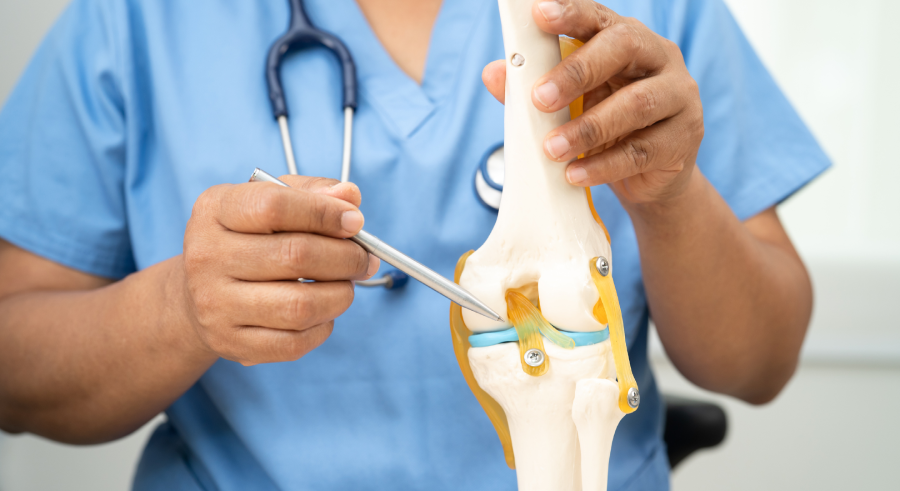
Orthopedic problems by age vary significantly because the body changes with time, lifestyle, and activity levels. A sports injury that affects a 25-year-old looks very different from the joint degeneration seen in someone over 65. Understanding how orthopedic problems evolve helps people recognize symptoms early, make better lifestyle choices, and seek timely care before minor discomfort turns into long-term disability.
Muscles, bones, joints, and ligaments all respond differently as we grow older. Factors such as physical activity, posture, nutrition, work habits, and pre-existing conditions play a major role in shaping orthopedic health across life stages.
Orthopedic Problems in Young Adults (18–30 Years)
Young adulthood is usually associated with peak physical strength and flexibility. However, this age group often experiences orthopedic issues linked to lifestyle choices and high activity levels.
Common concerns in young adults
- Sports injuries such as ligament tears, muscle strains, and ankle sprains
- Knee pain caused by overuse or poor biomechanics
- Shoulder instability or rotator cuff strain from gym workouts
- Lower back pain due to prolonged sitting and poor posture
Many orthopedic problems by age in this group are preventable. Skipping warm-ups, pushing through pain, or ignoring minor injuries can lead to recurring problems.
Why they occur
- High-impact sports and fitness routines
- Sedentary desk jobs combined with sudden intense exercise
- Improper lifting techniques
- Smartphone and laptop posture affecting the neck and spine
Early intervention, physiotherapy, and posture correction usually lead to full recovery in most young adults.
Orthopedic Problems in Adults (31–45 Years)
As people enter their 30s and 40s, recovery slows down slightly, and repetitive stress starts showing its effects. Orthopedic problems by age in this phase are often a mix of old injuries and new wear-and-tear.
Common concerns in this age group
- Chronic lower back pain
- Neck stiffness and cervical spine issues
- Tennis elbow and golfer’s elbow
- Early signs of knee cartilage wear
- Plantar fasciitis causing heel pain
Contributing factors
- Long working hours with limited movement
- Weight gain increasing joint stress
- Carrying forward untreated injuries from younger years
- Reduced flexibility due to lack of regular stretching
At this stage, many people dismiss pain as “normal aging,” which delays proper diagnosis and management.
Orthopedic Problems in Middle Age (46–60 Years)
Middle age marks a clear transition where degenerative orthopedic problems by age become more noticeable. Joint health requires more attention, and lifestyle habits have a visible impact.
Common orthopedic issues
- Osteoarthritis of the knee and hip
- Degenerative disc disease in the spine
- Frozen shoulder and rotator cuff degeneration
- Reduced joint mobility and stiffness
- Recurring muscle spasms
Why middle age is critical
- Cartilage naturally starts thinning
- Bone density gradually declines
- Hormonal changes affect joint lubrication
- Years of mechanical stress catch up
Regular exercise, weight management, and early orthopedic evaluation play a crucial role in maintaining mobility during this phase.
Orthopedic Problems in Seniors (60+ Years)
In seniors, orthopedic problems by age are largely influenced by degeneration, reduced bone strength, and balance issues. Pain, stiffness, and reduced independence become key concerns.
Common orthopedic conditions in seniors
- Advanced osteoarthritis
- Osteoporosis leading to fractures
- Hip fractures from falls
- Spinal stenosis causing walking difficulty
- Severe joint stiffness affecting daily activities
Increased risks in seniors
- Slower healing after injuries
- Higher chance of falls due to weak muscles
- Loss of balance and coordination
- Reduced physical activity accelerating joint degeneration
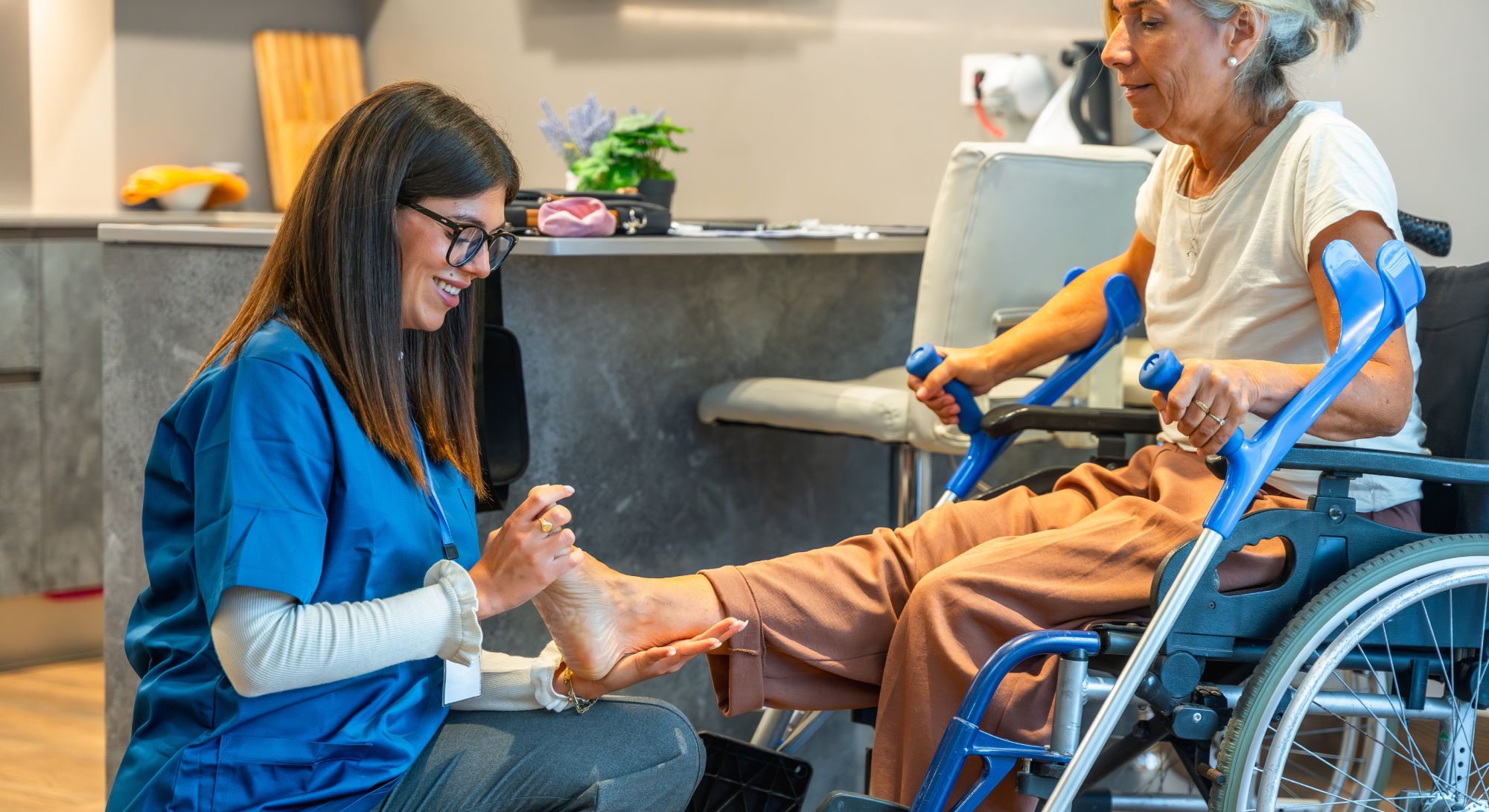
Orthopedic care in seniors focuses not just on pain relief, but also on preserving independence and quality of life.
How Orthopedic Problems Change With Age
Orthopedic problems by age follow a predictable pattern:
- Younger age: injury-driven problems
- Mid-life: overuse and early degeneration
- Older age: chronic degeneration and bone loss
Understanding this pattern helps in planning preventive care rather than reacting only when pain becomes severe.
Signs that should not be ignored at any age
- Persistent joint pain lasting more than two weeks
- Swelling or stiffness limiting movement
- Pain that worsens at night or during rest
- Difficulty performing routine activities
Ignoring these signs often leads to more complex orthopedic conditions later.
Preventive Tips Across All Age Groups
While orthopedic problems by age differ, prevention strategies overlap.
Simple habits that protect orthopedic health
- Maintain a healthy body weight
- Follow correct posture at work and home
- Strengthen core and supporting muscles
- Stretch regularly to maintain flexibility
- Address pain early instead of self-medicating
Consistency matters more than intensity when it comes to joint and bone health.
Frequently Asked Questions
At what age do orthopedic problems usually start?
Orthopedic problems can start as early as the 20s due to injuries or poor posture, but degenerative issues become more common after 40.
Are orthopedic problems by age unavoidable?
Not entirely. While aging is natural, many orthopedic issues can be delayed or reduced with exercise, proper ergonomics, and early care.
Is joint pain always a sign of arthritis?
No. Joint pain may result from muscle imbalance, ligament strain, or overuse, especially in younger individuals.
When should someone consult an orthopedic specialist?
If pain persists beyond two weeks, affects daily activities, or keeps recurring, professional evaluation by an orthopedic specialist is recommended.
Can lifestyle changes really help senior orthopedic health?
Yes. Regular low-impact exercise, nutrition, and fall-prevention strategies significantly improve mobility and reduce pain in seniors.
Final Thoughts
Orthopedic problems by age reflect how the body adapts, wears down, and responds to daily stress over time. From sports injuries in young adults to joint degeneration in seniors, each stage of life brings its own orthopedic challenges. The key lies in awareness, early action, and consistent care.
Paying attention to small aches today can prevent major mobility issues tomorrow. Whether it is posture correction, strengthening exercises, or timely consultation, proactive orthopedic care makes a lasting difference. For those seeking expert guidance and personalized orthopedic solutions, Chennai Ortho remains a trusted destination for comprehensive bone and joint care across all age groups.