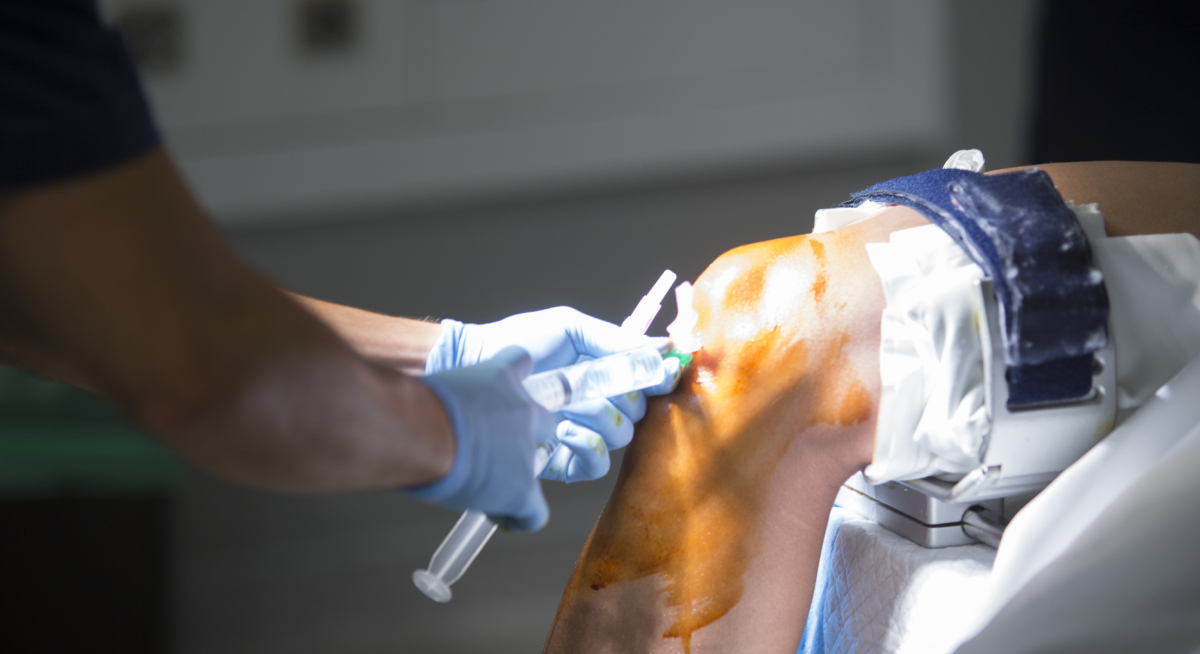
We’ve noticed that many people tend to brush off small aches, stiffness, or mild discomfort, assuming these issues will settle on their own. But these early signs of orthopedic problems are often the body’s first hint that something deeper may be developing. Understanding how knee, hip, and spine symptoms begin, why they appear, and what they might signal can help prevent long-term complications and protect overall mobility as we age.
Why Early Detection Matters
Across general observations, it’s clear that recurring joint or back discomfort is often overlooked. A slight twinge while walking or a bit of stiffness in the morning may not feel important at first. Yet these small warnings are usually the earliest signs of joint stress, inflammation, or muscle imbalance. Paying attention early can reduce recovery time, slow joint degeneration, and help maintain natural movement patterns.
Common Early Signs of Orthopedic Problems
Persistent or Recurring Pain
One of the most noticeable early signs of orthopedic problems is pain that returns regularly, even in a mild form. It might appear after sitting for too long, climbing stairs, or performing simple day-to-day tasks.
Many individuals experience:
- A dull knee ache when bending or climbing
- Sharp hip pain during longer walks
- Lower back pain that returns after waking
Even small recurring pain patterns can indicate deeper issues like inflammation or early joint wear.
Morning Stiffness
Another common signal is stiffness after waking up. When this stiffness lasts more than 20–30 minutes, it can reflect cartilage stress, fluid imbalance, or the beginning stages of arthritis. Many people assume it’s just tiredness, but consistent morning stiffness is worth attention.
Subtle Knee-Related Warning Signs
Frequent Clicking or Popping
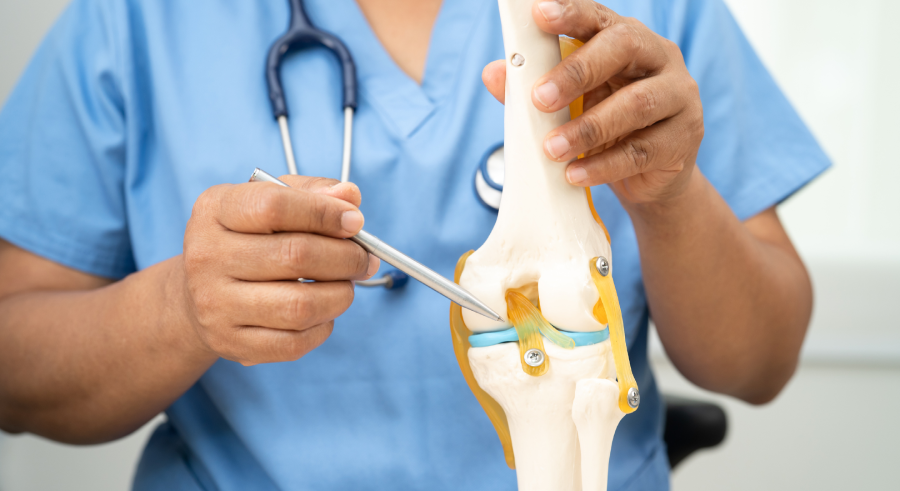
A single click during movement isn’t alarming, but repeated clicking or popping accompanied by discomfort can suggest early ligament strain, meniscus irritation, or tracking issues within the knee joint.
Difficulty Climbing Stairs
Struggling with stairs is one of the clearest early signs of orthopedic problems affecting the knees. This may indicate weakened thigh muscles, reduced joint cushioning, or the earliest stages of osteoarthritis.
Mild Swelling
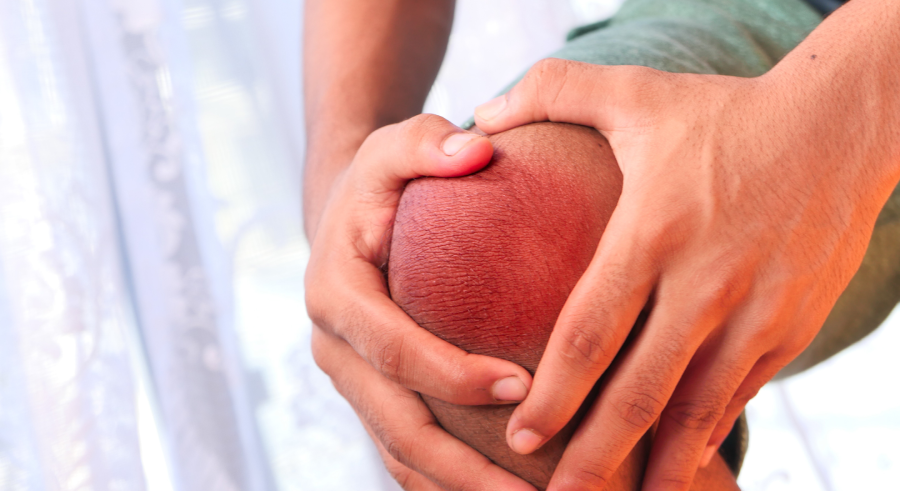
Swelling that appears after regular daily movement is another early signal. Warmth, puffiness, or a heavy feeling around the knee often points to internal irritation or repetitive strain.
Subtle Hip-Related Warning Signs
Pain That Radiates
Hip issues rarely remain localized. Many people notice:
- A pulling sensation in the groin
- Discomfort spreading down the thigh
- Aching around the outer hip
These signs may indicate early cartilage pressure or labral irritation, even when hip mobility still feels normal.
Changes in Walking Pattern
A slight limp or unconscious shift in body weight can reveal early hip joint imbalance. These small changes often appear before noticeable pain develops and may reflect the beginning of structural stress in the joint.
Subtle Spine-Related Warning Signs
Recurring Lower Back Pain
Lower back pain that frequently returns especially after long periods of sitting often points to early disc stress or weakened spinal support muscles. Many people dismiss this as poor posture, but recurring pain is the body’s attempt to draw attention to an underlying imbalance.
Light Tingling or Numbness
Occasional tingling in the hips, legs, or feet could indicate mild nerve compression. Even if the sensation disappears quickly, it’s still a signal worth noticing.
Stiffness After Rest
Feeling pressure or stiffness when standing after sitting for a long time is another early indicator. This can be linked to early disc problems, muscle tightness, or developing spinal alignment issues.
Why These Early Signs Appear
From repeated observations, these early signs often develop due to small, ongoing stresses that slowly affect the joints and supportive structures.
Common causes include:
- Sedentary lifestyle
- Extra body weight
- Repetitive strain
- Poor posture
- Weak supporting muscles
- Limited flexibility
- Natural age-related changes
These factors gradually impact how joints absorb pressure and how muscles support movement, making early symptoms important to acknowledge.
Preventing Orthopedic Issues From Worsening
Strengthening Key Muscle Groups
Stronger muscles help stabilize joints and reduce excessive strain. Focus on:
- Quadriceps and hamstring strengthening for knees
- Hip stabilizing exercises like bridges and clamshells
- Core exercises to support the spine
Daily Posture Improvements
Small posture correction such as aligning the spine, adjusting chair height, and avoiding slouching reduce unnecessary joint stress.
Weight Management
Maintaining a healthy weight can significantly reduce pressure on the knees, hips, and lower back. Even a small reduction offers noticeable relief.
Early Screening and Evaluation
A simple orthopedic screening can catch subtle issues early. Specialists often identify patterns or movement imbalances that people don’t notice themselves.
When to Seek Medical Attention
You should consider consulting an orthopedic expert if:
- Pain continues for more than two weeks
- Stiffness limits daily activities
- Swelling keeps coming back
- Pain disrupts sleep
- There is recurring numbness or tingling
Addressing symptoms early increases the chances of reversing the issue and protecting long-term mobility.
FAQs
Are early signs of orthopedic problems serious?
They can become serious if ignored. Early symptoms often reflect the beginning of joint imbalance or tissue stress.
Can mild recurring pain turn into a larger problem?
Yes. Recurring pain often signals early degeneration or soft tissue strain that may worsen without attention.
Are these early signs reversible?
In many cases, yes. Timely exercise, posture correction, therapy, and healthy habits can significantly improve early symptoms.
How can I tell the difference between normal fatigue and an orthopedic issue?
If discomfort returns frequently or lasts several days, it may be an orthopedic concern rather than normal fatigue.
Do lifestyle changes help reduce symptoms?
Absolutely. Strengthening routines, posture improvements, and weight control are highly effective.
Conclusion
Recognizing the early signs of orthopedic problems is one of the most effective ways to maintain long-term joint and spine health. Many people overlook these subtle signals until they become much harder to manage. Paying attention to recurring pain, stiffness, swelling, or changes in movement can prevent more complex knee, hip, or spine issues in the future. For those experiencing ongoing discomfort, seeking expert guidance is essential. Chennai Ortho, a reputed and trusted orthopedic hospital, provides dependable evaluation and care to support early diagnosis and lasting joint health.