
Day-by-Day Roadmap
Day 1 – First Steps
Most patients are encouraged to stand and walk with assistance just hours after surgery. Early mobilization prevents complications and boosts confidence.
Day 2–3 – Walking Practice & Swelling Control
Walking practice begins, usually with a walker. Pain and swelling are managed with medication, ice therapy, and gentle exercises.
Day 4–5 – Physiotherapy Progress
Gentle bending and straightening of the knee begins. Physiotherapists guide exercises to restore range of motion safely.
Day 6–7 – Stairs & Discharge
By the end of the first week, many patients can walk short distances, climb a few stairs, and are ready for discharge with a home exercise plan.
Why the First Week Matters
- Reduces the risk of blood clots and stiffness
- Builds patient confidence early
- Sets the foundation for faster recovery over the next 6–12 weeks
Dr. Arumugam’s Insight
“We focus not just on surgical success, but on ensuring patients feel safe and supported from Day 1. Every milestone in the first week prepares them for independence at home.”
FAQs (Reframed for Positivity)
Q1: Is it painful to walk on the first day?
➡️ Many patients are surprised at how quickly they can stand and walk with support. Pain is managed with medication, and early movement actually reduces long-term discomfort.
Q2: What if I can’t bend my knee immediately?
➡️ That’s completely normal. The first few days focus on gentle motion. With physiotherapy, almost all patients gain bending ability gradually and safely.
Q3: Will I really be able to climb stairs within a week?
➡️ Yes. With proper support, most patients can manage a few stairs before discharge. This milestone is a big confidence booster.
Q4: Do I need to be worried about going home so soon?
➡️ Not at all. By Day 6–7, most patients are independent enough for home care. Plus, we provide exercise guidance and follow-up support to make the transition smooth.
Myth vs Fact: Robotic Knee Surgery
| Myth | Fact |
|---|---|
| The robot performs the surgery | The surgeon performs every step. The robot only assists with precision. |
| Robotic surgery is unsafe or experimental | Robotic knee replacement is globally approved and backed by scientific studies. |
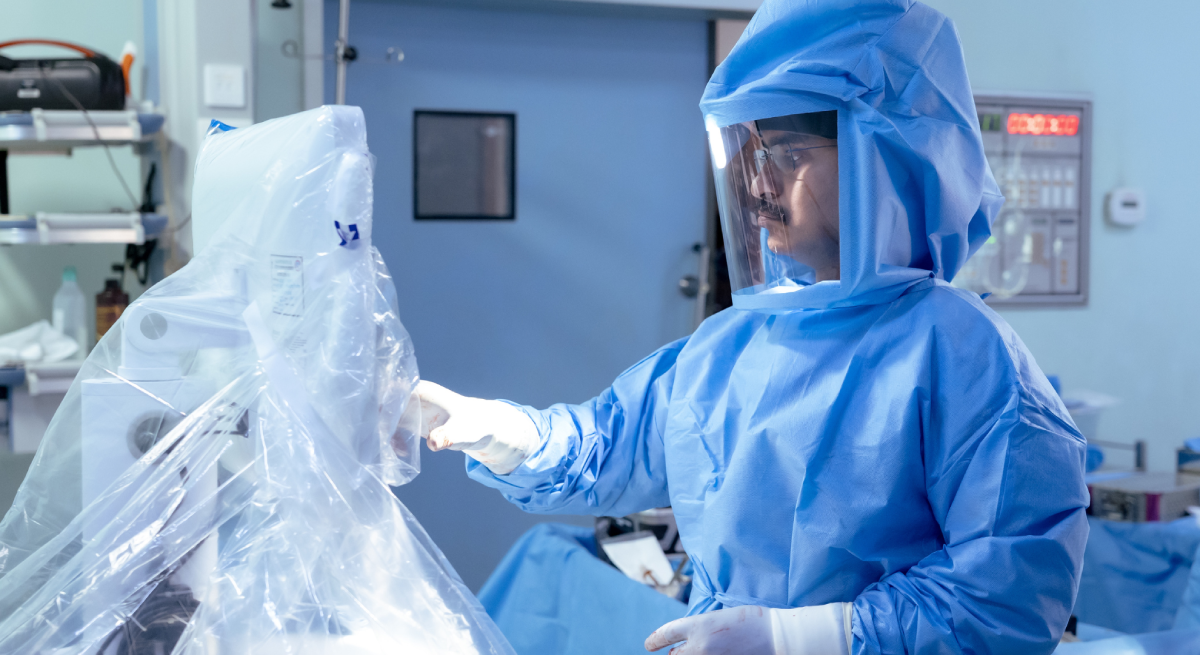
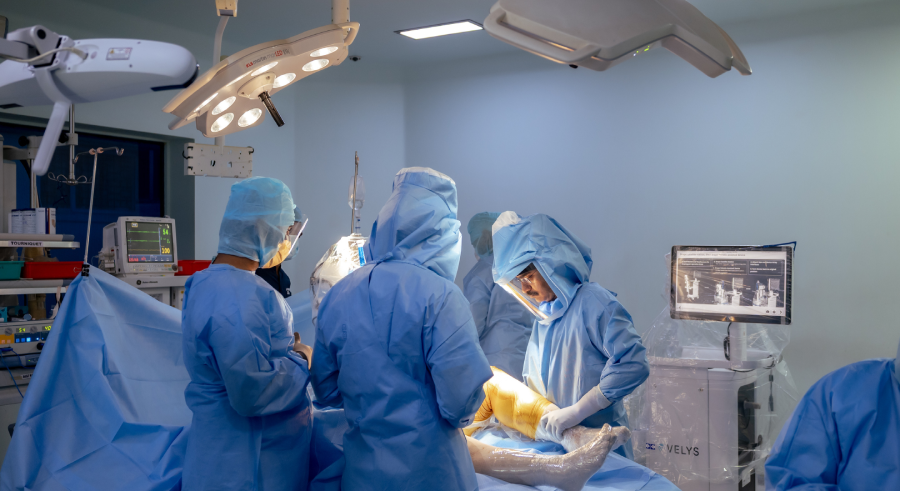
| All robots are the same | The VELYS™️ system is unique—it is CT-free (no extra radiation) and adapts to your natural anatomy. |
Conclusion
Knee osteoarthritis is common but manageable—especially when detected early. Recognizing the signs and consulting a doctor in time can help you stay active, reduce pain, and delay surgery.