Knee pain can gradually enter your life without warning. In the beginning, it may feel like slight stiffness. Then stairs become difficult. Long walks feel exhausting. Eventually, even sitting and standing hurt. At this point, many people start asking who needs knee replacement surgery and whether surgery is truly necessary. The answer is not the same for everyone. Some people benefit greatly from surgery. Others can manage well without it.
Knowing the difference helps you make a confident and informed decision.
What Is Knee Replacement Surgery?
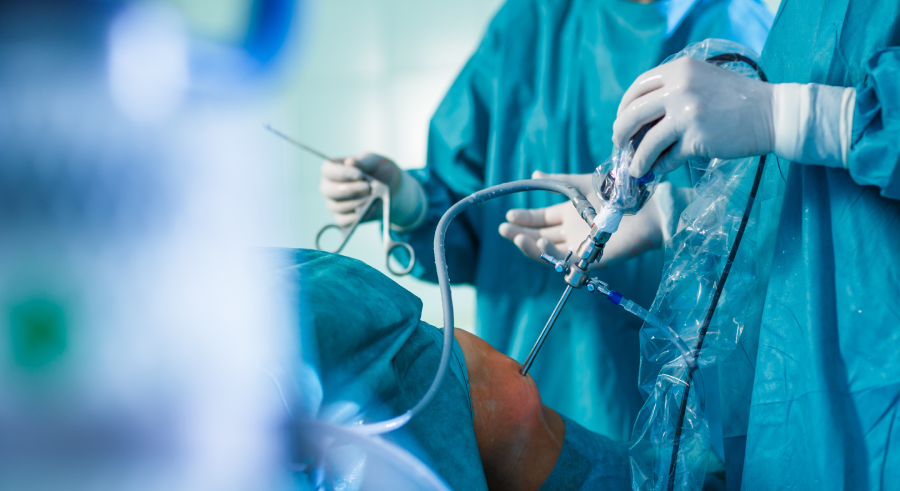
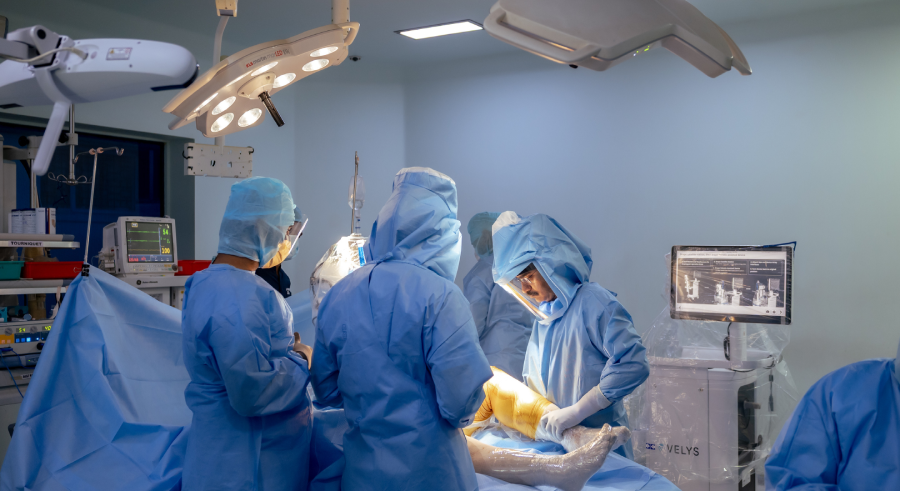
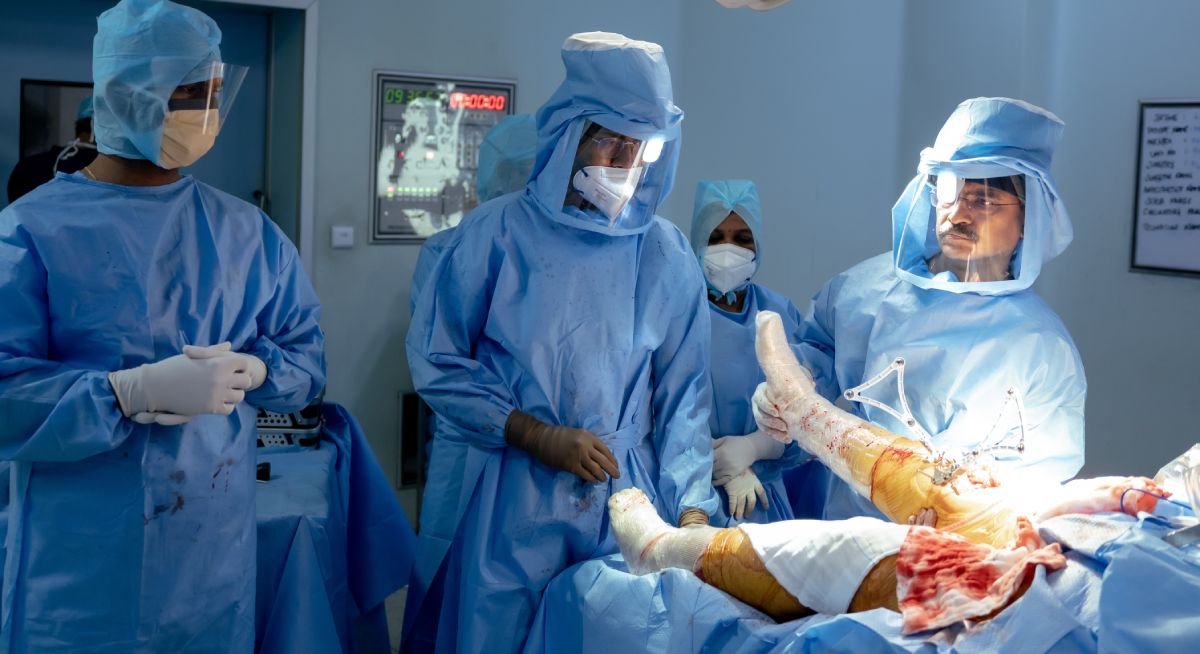
Knee replacement surgery is a procedure where the damaged surfaces of the knee joint are removed and replaced with artificial parts. These implants are designed to reduce pain and improve movement.
The surgery is most often recommended for people with advanced arthritis. Osteoarthritis is the most common cause, but rheumatoid arthritis, previous injuries, or long-term joint wear can also damage the knee.
During the Procedure:
- Damaged cartilage and bone are removed
- Artificial components made of metal and medical-grade plastic are placed
- The new joint allows smoother and less painful movement
Surgery has improved significantly over the years. Techniques are more precise, and recovery is generally smoother than in the past. Still, it is usually considered only after treatments like physiotherapy, medications, and injections fail to provide sufficient relief.
Who Needs Knee Replacement Surgery?
When doctors evaluate who needs knee replacement surgery, they look beyond just pain. They assess how much the pain affects daily life.
Ongoing Severe Pain
- Pain that does not improve with rest
- Discomfort that interrupts sleep
- Pain that continues despite medication
Reduced Daily Function
- Difficulty walking short distances
- Trouble climbing or descending stairs
- Struggling to stand after sitting
Poor Response to Non-Surgical Treatment
- Physical therapy has not helped
- Injections give only temporary relief
- Medications no longer control pain
Visible Joint Changes
- Bowed legs
- Knee instability
- Severe stiffness limiting movement
The real question doctors ask is simple: Is your knee preventing you from living normally? If the answer is yes despite trying conservative care, surgery may be the right step.
Importantly, age alone does not decide who needs knee replacement surgery. Some people in their 50s may need it due to severe damage, while others in their 70s manage comfortably without it.
Who Does Not Need Knee Replacement Surgery?
Not every case of knee pain requires surgery. Many people improve with simpler measures.
You may not need surgery if:
- Pain is occasional or mild
- Daily tasks are manageable
- Exercise and weight management reduce symptoms
- Medication provides adequate relief
In early-stage arthritis, doctors usually recommend delaying surgery. Knee implants have a limited lifespan, often around 15 to 20 years. Having surgery too early may increase the chances of needing another procedure later.
Surgery is also avoided if:
- There are uncontrolled health issues
- There is an active infection
- The pain originates from another joint, such as the hip or spine
Understanding clearly who needs knee replacement surgery helps avoid unnecessary procedures and ensures surgery is done at the right time.
Non-Surgical Options to Try First
Before recommending surgery, orthopedic specialists typically suggest several treatments.
Lifestyle Adjustments
- Reducing body weight to lower joint pressure
- Choosing low-impact exercises like cycling or swimming
- Strengthening thigh and leg muscles
Medications
- Anti-inflammatory drugs
- Short-term pain relief medications
- Topical pain relief creams
Injections
- Steroid injections to reduce inflammation
- Viscosupplementation to improve joint lubrication
Physiotherapy
- Structured strengthening programs
- Flexibility training
- Balance exercises
Many patients experience meaningful improvement with these measures. Surgery becomes necessary only when these methods consistently fail.
The Importance of Timing
Orthopedic experts often notice two extremes. Some patients avoid surgery for years due to fear. Others rush into it too quickly after hearing success stories.
The best outcomes usually happen when surgery is performed at the right stage—not too early and not too late.
Delaying surgery for too long can lead to:
- Severe joint deformity
- Muscle weakness
- Limited mobility even after surgery
On the other hand, undergoing surgery when symptoms are still manageable may expose a patient to avoidable risks.
That is why identifying who needs knee replacement surgery requires careful evaluation rather than a rushed decision.
Age and Knee Replacement
There is no fixed age requirement.
- Most patients are between 55 and 75 years old
- Younger individuals may need surgery due to injury
- Healthy older adults can safely undergo surgery
Overall health, activity level, and quality of life matter more than age alone.
What to Expect from Recovery
Recovery after knee replacement surgery is gradual and structured. Most patients begin standing and walking within one to two days after the procedure. Physiotherapy starts early to improve strength and flexibility.
Typical Recovery Timeline
- Walking with support within 24–48 hours
- Regular physiotherapy sessions
- Gradual improvement over 3–6 months
- Return to most daily activities within a few weeks
Possible Risks to Be Aware Of
Like all surgeries, knee replacement may carry certain risks:
- Infection
- Blood clots
- Implant wear over time
Most patients experience significant pain relief and improved mobility after completing rehabilitation.
Frequently Asked Questions
How do I determine who needs knee replacement surgery?
If knee pain severely limits your daily activities and conservative treatments no longer help, you may fall into the category of who needs knee replacement surgery. A detailed evaluation by an orthopedic specialist is essential.
Can knee replacement be avoided?
In early stages of arthritis, yes. Weight management, physiotherapy, and medications can often control symptoms.
How long does a knee implant last?
Most implants last between 15 and 20 years, depending on activity level and body weight. However, several long-term studies show that a significant percentage of implants continue to function well beyond 20–25 years. The lifespan of a knee replacement depends on factors such as implant quality, surgical precision and alignment, activity level, body weight, and adherence to follow-up care and rehabilitation.
Is the procedure very painful?
Pain is carefully managed during and after surgery. Most patients find that post-surgical discomfort is much less than their previous arthritis pain.
Conclusion
The real issue is not just understanding who needs knee replacement surgery, but recognizing when your knee pain has crossed the line from manageable to life-limiting.
If daily activities feel exhausting, pain disrupts sleep, and treatments no longer work, surgery may offer a path back to comfort and independence. If symptoms are still mild, non-surgical care may be enough.
A thoughtful evaluation with experienced specialists ensures the right timing and the right approach. For those seeking expert guidance and personalized orthopedic care, Chennai Ortho team provides comprehensive assessments to help patients make confident decisions about their knee health.