Why Movement Matters
- Improves circulation to joints
- Keeps cartilage nourished
- Strengthens muscles supporting the knees and hips
- Prevents stiffness and long-term disability
Safe Ways to Stay Active
- Walking: Just 20 minutes daily makes a difference
- Stair Climbing: Builds strength without special equipment
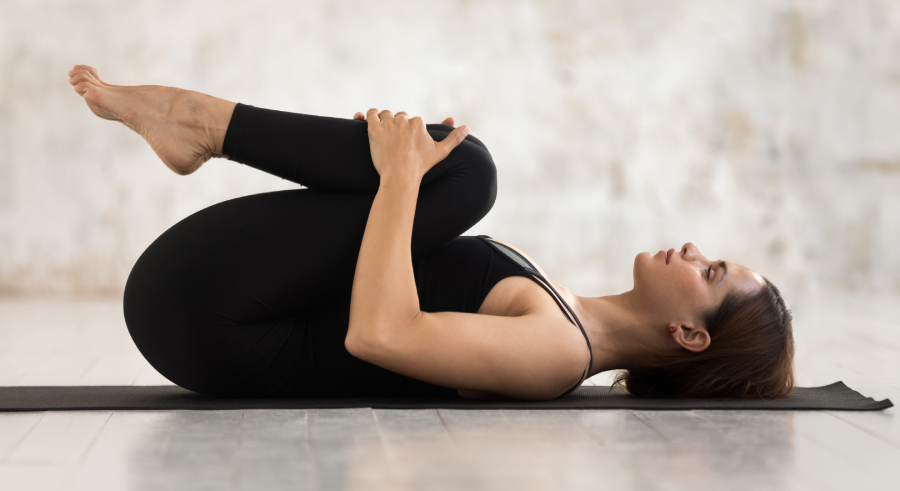
- Stretching & Yoga: Keeps joints flexible and balanced
- Play & Fun: Dancing, gardening, or playing with grandchildren keep you active without “exercise pressure”
Dr. Arumugam’s Perspective
“Movement doesn’t have to be intense. It just has to be consistent. Every step you take is an investment in your future health.”
FAQs
Q1: Won’t movement make arthritis worse?
➡️ No. In fact, gentle, guided movement protects joints by reducing stiffness and improving muscle support.
Q2: How much should I walk daily with knee pain?
➡️ Most patients benefit from 20–30 minutes of walking at a comfortable pace. It’s about consistency, not speed.
Q3: Is rest ever better than movement?
➡️ Yes, rest is important after acute injury or surgery. But for long-term joint health, movement is essential.
Conclusion
Movement truly is life. Small daily actions keep your joints healthy, delay arthritis progression, and give you the freedom to live actively at any age.