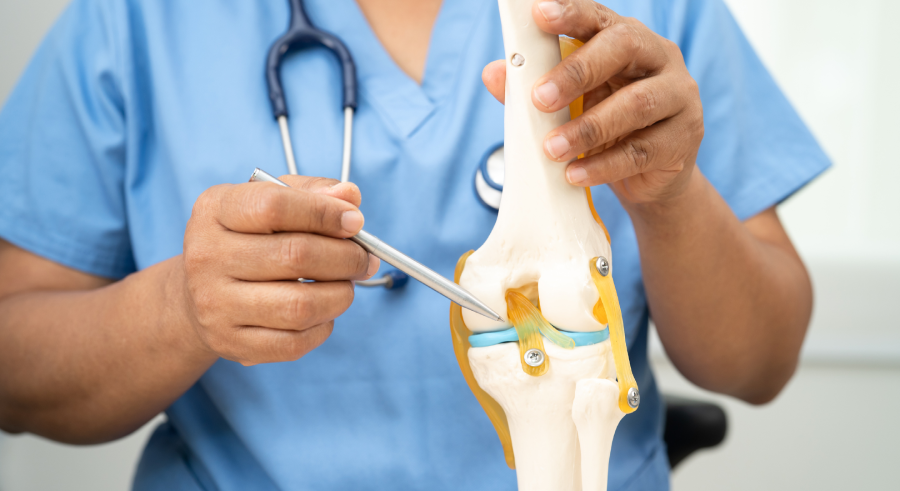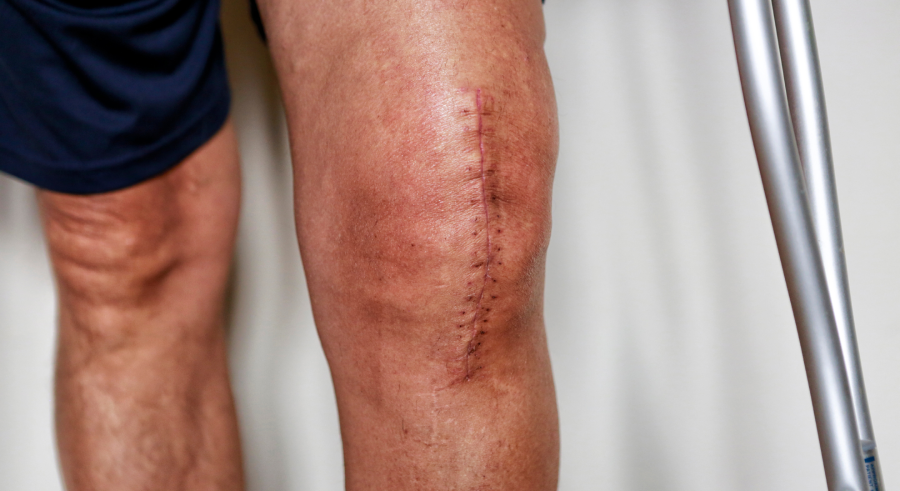

Joint pain was once seen as a problem linked to ageing. Today, doctors are noticing a clear shift. Joint pain in young adults is becoming more common, affecting people in their 20s and 30s. From knee stiffness to shoulder aches and back discomfort, many under 40 are struggling with pain that interrupts daily life.
What is causing this rise? Is it lifestyle, work habits, or something deeper? The answer lies in a mix of modern routines, reduced physical activity, stress, and sometimes overlooked medical conditions. Understanding the real reasons behind joint pain in young adults can help prevent long-term damage and improve quality of life.
The Changing Lifestyle of Young Adults
One of the biggest reasons behind joint pain in young adults is lifestyle transformation.
Sedentary Work Culture
Many young professionals spend:
- 8–10 hours sitting at a desk
- Long hours working on laptops
- Minimal movement during the day
Sitting for extended periods weakens muscles around joints. When muscles are weak, joints carry more stress. Over time, this leads to stiffness and pain, especially in the neck, shoulders, lower back, and knees.
Poor Posture
Slouching while using phones or laptops strains the spine and surrounding joints. Poor posture can cause:
- Early spine degeneration
- Neck and shoulder tightness
- Chronic lower back pain
Many young adults ignore early signs until the pain becomes persistent.
Increased Screen Time and Reduced Physical Activity
Digital dependence has quietly changed daily movement patterns.
Instead of outdoor activities, many young adults now:
- Scroll through phones for hours
- Work and relax on screens
- Skip regular exercise
When joints are not used properly, they lose flexibility. Sudden intense workouts without preparation can also trigger joint pain in young adults.
The key issue is imbalance either too little movement or too much without conditioning.
Obesity and Weight Gain
Weight gain in early adulthood is another major factor.
Excess body weight increases pressure on:
- Knees
- Hips
- Ankles
Even a small weight increase can significantly affect joint health. Every extra kilogram of body weight adds pressure on knee joints while walking.
Over time, this constant stress can accelerate cartilage wear and lead to early joint problems.
Gym Injuries and Overtraining
Fitness awareness has improved, which is a good sign. However, improper training techniques are contributing to joint pain in young adults.
Common mistakes include:
- Lifting heavy weights without supervision
- Skipping warm-ups
- Ignoring recovery time
- Continuing workouts despite pain
Repetitive strain and improper form can damage ligaments and cartilage. Young adults often assume pain is temporary and push through it, which worsens the condition.
Nutritional Deficiencies
Modern diets are often high in processed foods and low in essential nutrients.
Deficiencies in:
- Vitamin D
- Calcium
- Magnesium
- Protein
Vitamin D deficiency is widely seen among urban young adults who have limited sunlight exposure.
Weak bones and poor muscle support make joints more vulnerable to injury and chronic discomfort.
Stress and Inflammation
Chronic stress is not just mental, it affects the body physically.
High stress levels can:
- Increase inflammation
- Tighten muscles
- Disrupt sleep
Poor sleep prevents proper muscle and joint recovery. Over time, inflammation contributes to persistent joint pain in young adults.
Stress-related pain is often ignored because it does not show on scans immediately. Yet it is real and can become chronic if untreated.
Early Onset Arthritis and Autoimmune Conditions
Not all joint pain in young adults is lifestyle-related.
Certain medical conditions can cause joint pain even before 40, such as:
- Rheumatoid arthritis
- Ankylosing spondylitis
- Autoimmune disorders
These conditions may begin with mild stiffness, especially in the morning. Many young adults delay consultation, assuming they are “too young” for serious joint issues.
Early diagnosis makes a significant difference in managing these conditions effectively.
Warning Signs That Should Not Be Ignored
Young adults should consult a specialist if they experience:
- Joint pain lasting more than two weeks
- Swelling or redness around joints
- Morning stiffness lasting over 30 minutes
- Pain that interferes with daily activities
- Recurrent sports injuries
Ignoring symptoms can lead to long-term joint damage.
How to Prevent Joint Pain in Young Adults
Prevention is possible with consistent habits.
Maintain Healthy Movement
- Take short walking breaks every hour
- Stretch daily
- Practice strength training with proper guidance
- Include flexibility exercises like yoga
Improve Workplace Ergonomics
- Keep screens at eye level
- Use chairs with proper back support
- Maintain neutral wrist and shoulder positions
Balanced Nutrition
- Include protein in every meal
- Ensure adequate Vitamin D and calcium intake
- Stay hydrated
Avoid Overtraining
- Warm up before exercise
- Gradually increase intensity
- Listen to pain signals
Small daily corrections can prevent long-term complications.
Why Early Care Matters?
Joint health in your 20s and 30s determines mobility in your 50s and beyond. When joint pain in young adults is addressed early, recovery is faster and complications are fewer.
Ignoring pain can lead to:
- Cartilage damage
- Chronic inflammation
- Reduced mobility
- Early joint degeneration
Timely evaluation ensures the root cause is identified and treated appropriately.
Frequently Asked Questions
Is joint pain normal in young adults?
Occasional soreness after activity is normal. However, persistent or recurring joint pain in young adults is not normal and should be evaluated.
Can stress alone cause joint pain?
Yes. Stress increases inflammation and muscle tension, which can contribute to joint discomfort.
Does working out prevent joint pain?
Proper exercise strengthens muscles and protects joints. However, incorrect training or overtraining can worsen joint pain in young adults.
Conclusion
The rise in joint pain in young adults is closely linked to modern lifestyle patterns — long sitting hours, screen overuse, nutritional gaps, stress, and improper fitness practices. While ageing is no longer the only trigger, awareness and early intervention can prevent serious complications.
Joint health should not be ignored simply because someone is under 40. Listening to early warning signs, adopting healthier routines, and seeking timely medical advice can protect mobility for years.
For expert evaluation and advanced orthopaedic care, Chennai Ortho team provides comprehensive solutions tailored to young adults experiencing joint discomfort, helping them return to active and pain-free living.