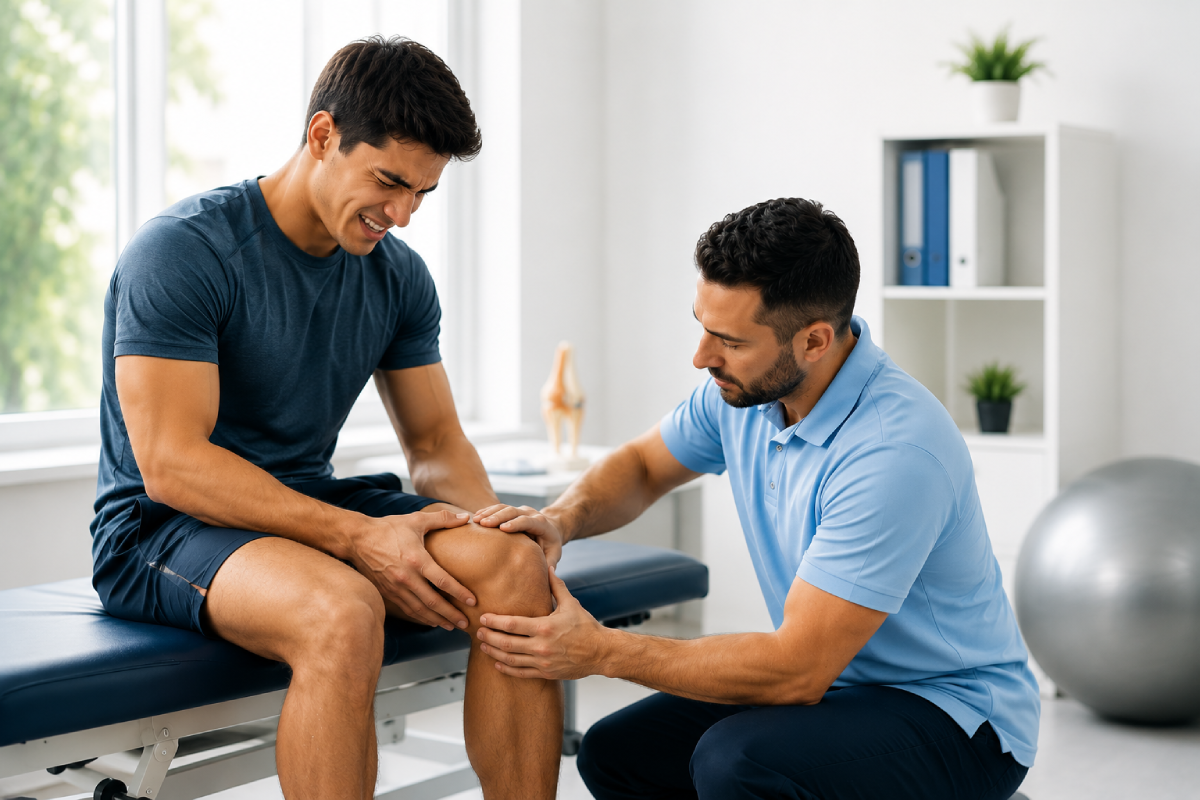
What is the ACL?
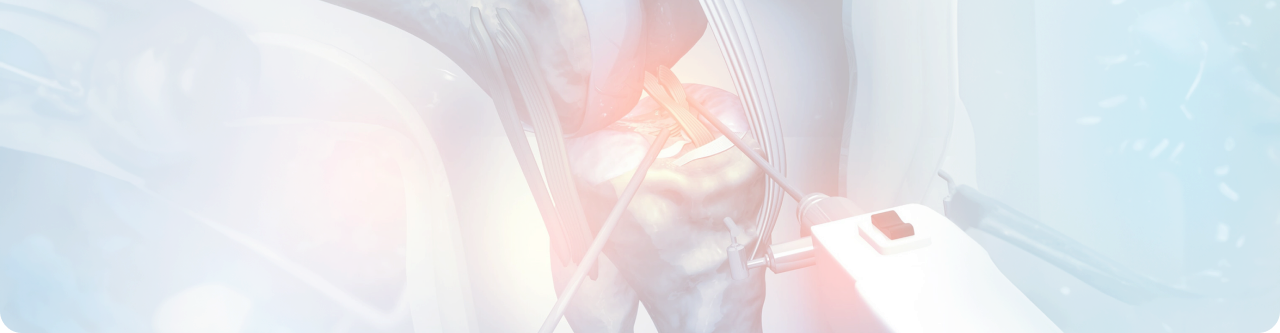
The ACL is a major ligament inside the knee that provides stability during movement. A tear can cause pain, swelling, and difficulty in continuing normal activities.
Causes Beyond Sports
- Sudden twisting during exercise or dance
- Slipping on stairs or uneven ground
- Road accidents or falls
- Recreational activities like hiking or badminton
Symptoms to Watch For
- A popping sound or sudden shift in the knee
- Swelling within a few hours
- Knee feels “wobbly” or unstable
- Difficulty bearing weight
Treatment Options
Treatment depends on the severity:
- Partial Tear: Bracing, physiotherapy, and strengthening exercises
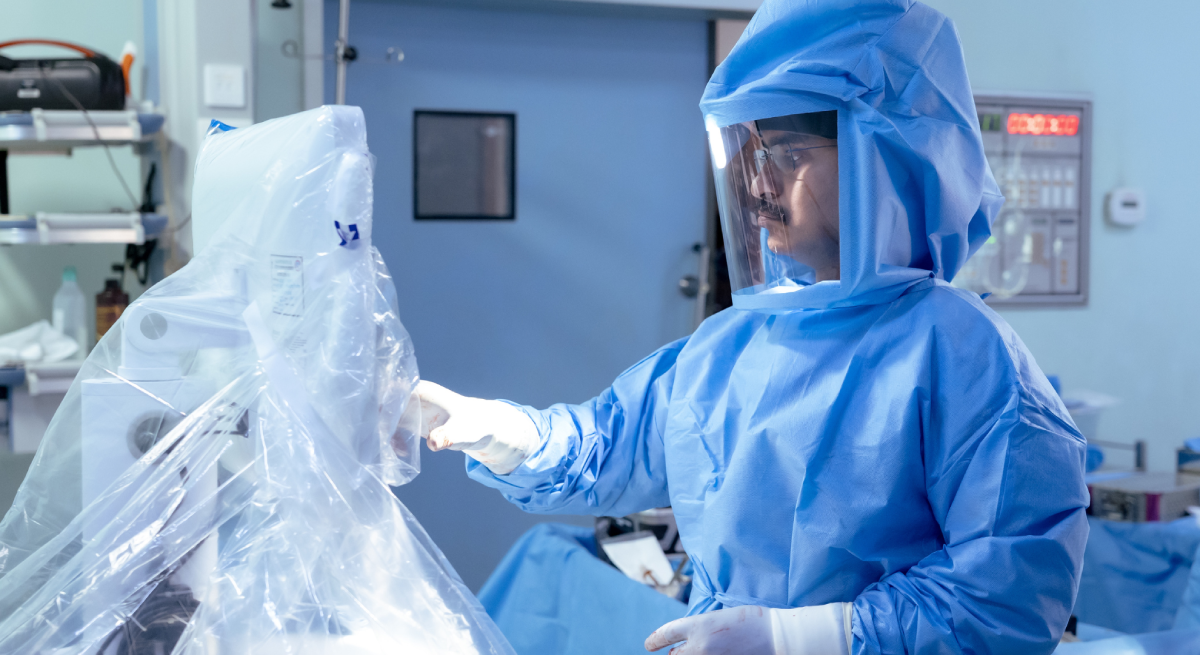
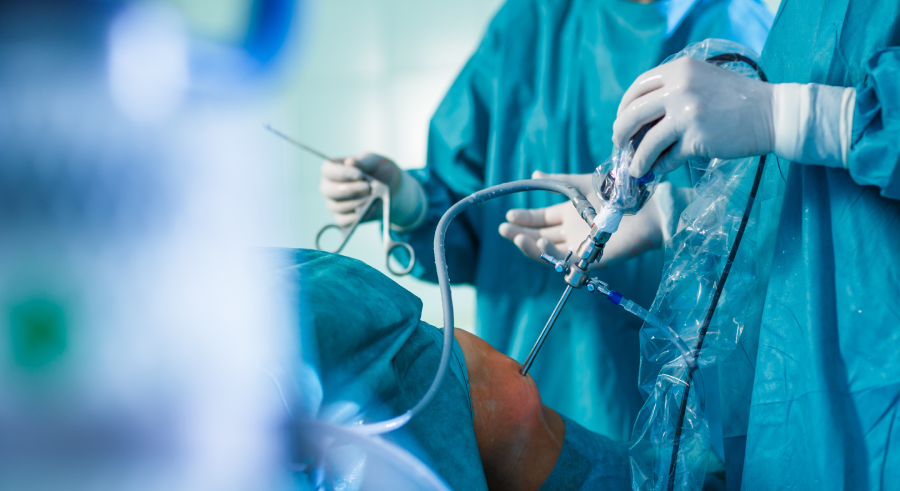
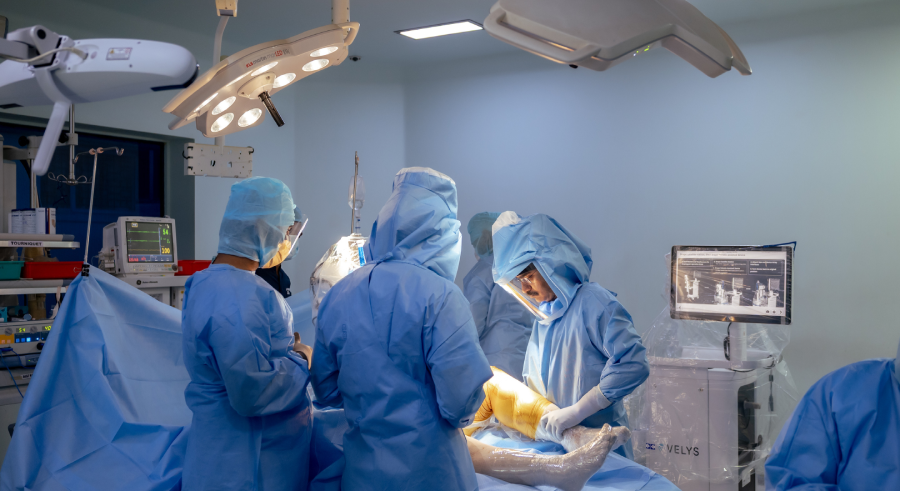
- Complete Tear: Arthroscopic ACL reconstruction for restoring stability
Why Timely Treatment Matters
Ignoring an ACL tear increases the risk of cartilage damage and early arthritis. Early diagnosis prevents long-term complications.
Dr. Arumugam’s Insight
“An ACL injury feels like a setback, especially for active young adults. But with the right approach—whether rehab or reconstruction—patients return to sports, careers, and everyday life stronger than before.”
FAQs
Q1: Do only athletes get ACL tears?
➡️ No. Anyone can. Everyday activities like dancing, slipping, or missing a step can cause an ACL tear.
Q2: Is surgery always needed?
➡️ Not always. Minor tears can heal with rehab. Surgery is needed only for major instability or high-activity demands.
Q3: Can I return to sports after ACL surgery?
➡️ Yes. With proper physiotherapy, most patients return to full sports in 6–9 months.
Q4: Will ignoring an ACL tear cause problems later?
➡️ Yes. Untreated tears can cause repeated knee instability and lead to arthritis. Early care avoids long-term damage.
Conclusion
ACL injuries are not limited to athletes. With timely diagnosis and appropriate treatment, young adults can return to an active, confident life—whether that’s sports, dance, or simply pain-free daily activity.